Benefits of sabja seeds (tukmaria): a cooling summer drink for digestion and fullness
Tiny black sabja seeds swell into soft, jelly-coated pearls within minutes of soaking — the familiar texture in falooda and nimbu sharbat. The benefits of sabja seeds, also called tukmaria or sweet basil seeds, include a cooling effect in summer heat, soluble fibre for regularity and a feeling of fullness that can support healthy eating.
Benefits of sabja seeds: how they differ from chia
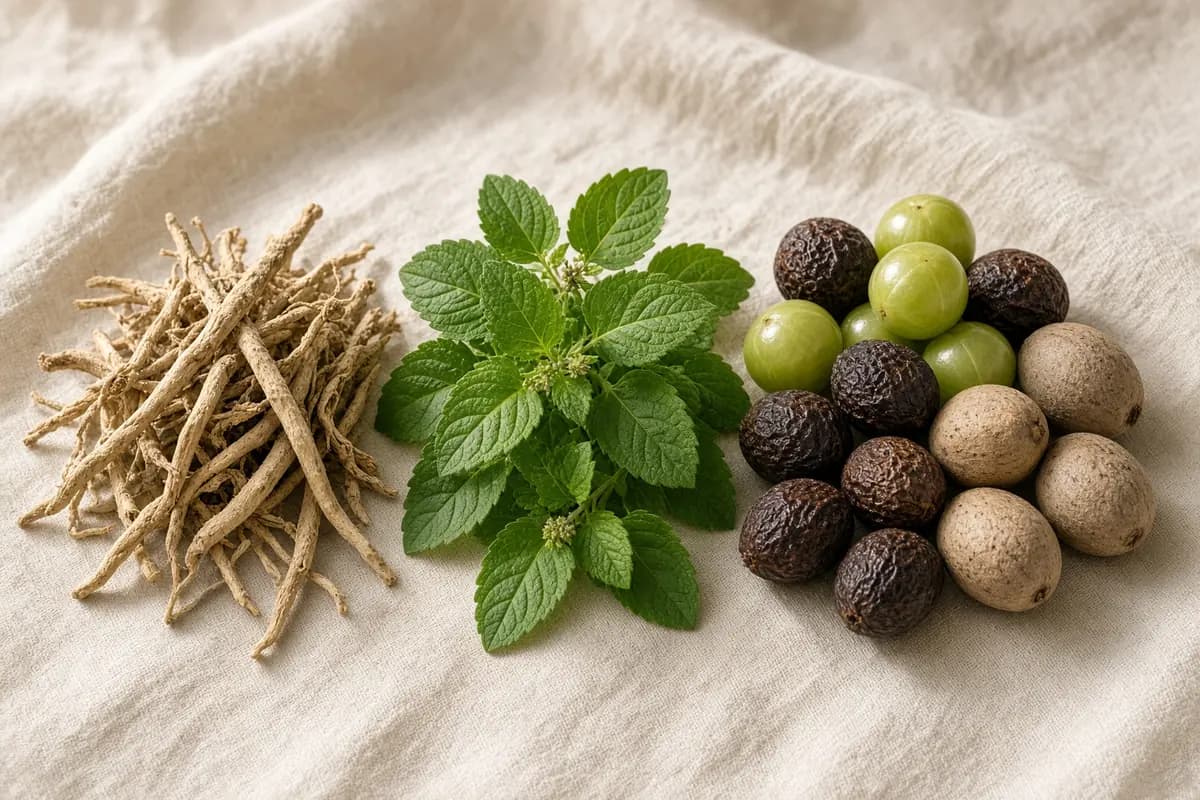
Sabja comes from the sweet basil plant (Ocimum basilicum), not tulsi. The outer layer forms a gel (mucilage) when soaked, which adds soluble fibre — helpful for constipation and for slowing digestion so you feel full. The seeds also contain some plant omega-3, calcium and iron. Unlike chia, sabja must always be soaked; it swells faster and isn't eaten dry.
Traditional Indian and Unani practice uses sabja as a coolant for summer heat, acidity and burning sensations.
Ingredients
- 1 teaspoon sabja seeds
- 1 cup water, plus a glass of nimbu pani, coconut water or milk
How to prepare
- Soak 1 teaspoon sabja in 1 cup water for 15–20 minutes until each seed is fully swollen with a translucent coat.
How to use
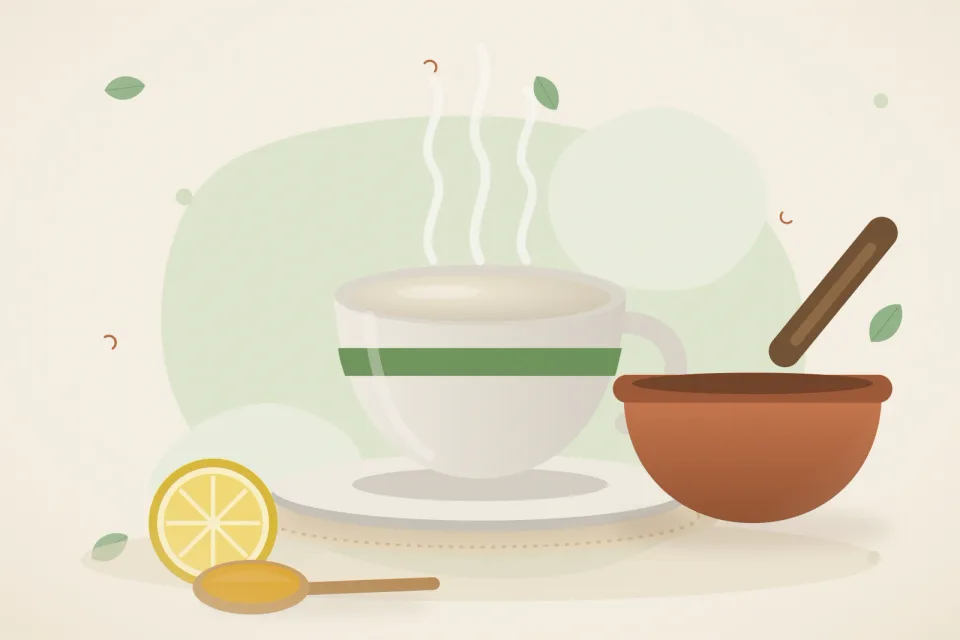
- Stir soaked sabja into nimbu pani, coconut water or rose milk for a summer cooler.
- Add to a glass of water before a meal to help you feel fuller.
- Mix into curd, fruit salad or a smoothie for extra fibre.
- Have once a day, especially on hot afternoons.
Helpful habits
- Always soak fully — dry seeds can swell in the throat.
- Drink extra water on days you have sabja.
- Skip added sugar in sabja drinks to keep them light.
Precautions
- Never give dry or partly soaked seeds to children — choking risk. Give well-soaked seeds only to older children, under supervision.
- Pregnant women should ask their doctor before regular use.
- Fibre may slow absorption of medicines — take sabja 2 hours apart from medicines, and people on diabetes medicines should monitor sugar and continue prescribed treatment.
- Stop if you get bloating or diarrhoea; see a doctor for difficulty swallowing or persistent digestive problems.
Frequently asked questions
Are sabja seeds and chia seeds the same?
- No. Sabja comes from sweet basil, is black and round, and swells faster; chia is oval and multicoloured.
Do sabja seeds help with weight loss?
- Their fibre helps you feel full, which may support weight goals along with diet and exercise.
Can I eat sabja seeds daily?
- Yes, 1 teaspoon a day, well soaked, is generally fine for adults.