Nisha Amalaki: The Turmeric and Amla Combination
Nisha amalaki, equal parts turmeric and amla, is a classical Ayurvedic combination for prameha. How it is used and why supervision matters.
Important: this remedy is only a supportive home measure. Keep taking any medicine your doctor has prescribed, monitor your readings, and consult your doctor before adding anything new.
Turmeric in everyday Indian homes
Haldi is the everyday yellow spice of Indian kitchens. Its main compound, curcumin, is poorly absorbed on its own, which is why traditional recipes pair it with fat like ghee or milk and a pinch of black pepper.
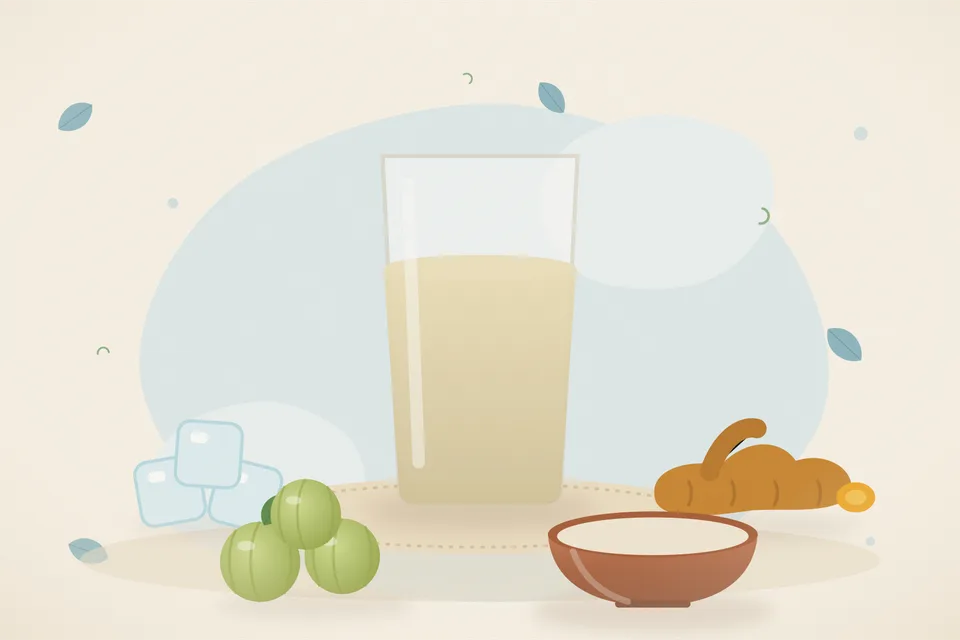
Nisha means turmeric and amalaki means amla. This pairing is described in classical texts for prameha, which includes diabetes. A few small studies suggest it may help with sugar control as an add-on, but quality and dosing vary between brands.
Ingredients
- Nisha amalaki churna or tablets from a licensed pharmacy
- Warm water
How to prepare
- Ask your doctor or vaidya for the dose, usually ½ to 1 tsp churna.
How to use
- Take with warm water after meals, as advised.
- Recheck HbA1c after three months with your doctor.
Helpful habits
- Buy whole turmeric or a trusted brand; loose bright powder can be adulterated.
Precautions
- Turmeric in medicinal amounts may interact with blood thinners; tell your doctor. Stop for stomach upset.
- Large amounts can upset the stomach; check with a doctor if you take blood thinners or have gallstones.
- Keep checking your sugar; tell your doctor before adding this, as medicine doses may need review.
- Traditional use; scientific evidence is limited. Do not stop prescribed medicine.
Frequently asked questions
Can I make it at home?
- Mixing equal parts of good-quality turmeric and amla powder is the traditional home version; confirm the dose with your doctor.
Is it safe with metformin?
- Usually used alongside it, but monitor sugar and inform your doctor.
Does turmeric stain?
- Yes, on skin, nails and cloth; it fades from skin in a day or two.