Ajwain Water After Delivery: The Traditional Practice
Many Indian families give new mothers warm ajwain water for gas and digestion after childbirth. How it is made and when to check with your doctor.
Important: this remedy is only a supportive home measure. Keep taking any medicine your doctor has prescribed, monitor your readings, and consult your doctor before adding anything new.
Why ajwain is used this way
Ajwain (carom) seeds are sharp, hot and aromatic. In Indian homes they are roasted, chewed, boiled in water or tied in a warm cloth for gas, heaviness and chest congestion.
Ajwain water is one of the most common postpartum traditions across India, believed to ease gas, support digestion and warm the body. It is generally safe in kitchen amounts, but new mothers, especially after a caesarean, should follow their doctor's diet advice.
Ingredients
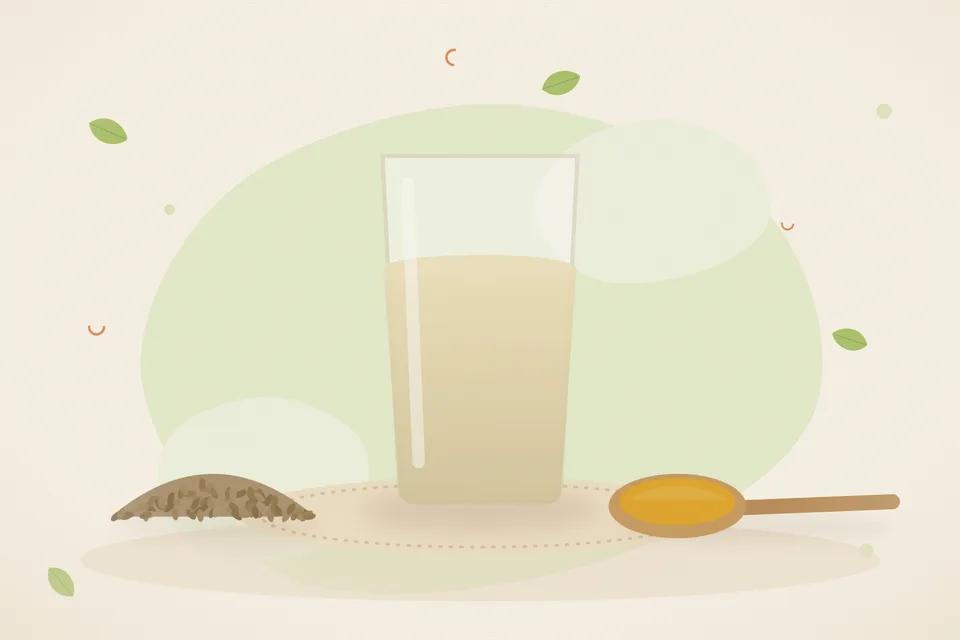
- 1 tsp ajwain
- 2 cups water
How to prepare
- Boil ajwain in water until reduced to about 1½ cups; strain.
How to use
- Sip warm through the day in the first weeks after delivery, if your doctor agrees.
- Drink plain water too; hydration matters while breastfeeding.
Helpful habits
- Dry-roast a small batch and keep it in a glass jar for the week.
Precautions
- Ajwain is heating; reduce in summer or if you get acidity. Fever, foul discharge or heavy bleeding after delivery need urgent care.
- It is heating; use small amounts if you get acidity or mouth ulcers.
- In pregnancy or while breastfeeding, check with your doctor first.
- Stop if you notice itching, rash, stomach upset or any other discomfort.
Frequently asked questions
Does ajwain water increase breast milk?
- There is no good evidence; frequent feeding is what helps most.
Is it safe after a C-section?
- Usually yes in small amounts, but ask your obstetrician.
Can ajwain be taken every day?
- A pinch with food is normal; medicinal amounts are for a few days.