Ashoka Bark: Benefits, Uses and Cautions
Ashoka is Ayurveda's best-known herb for women's menstrual health. Traditional uses, how it is taken, and why heavy bleeding needs a check-up first.
Important: this remedy is only a supportive home measure. Keep taking any medicine your doctor has prescribed, monitor your readings, and consult your doctor before adding anything new.
Using ashoka sensibly at home
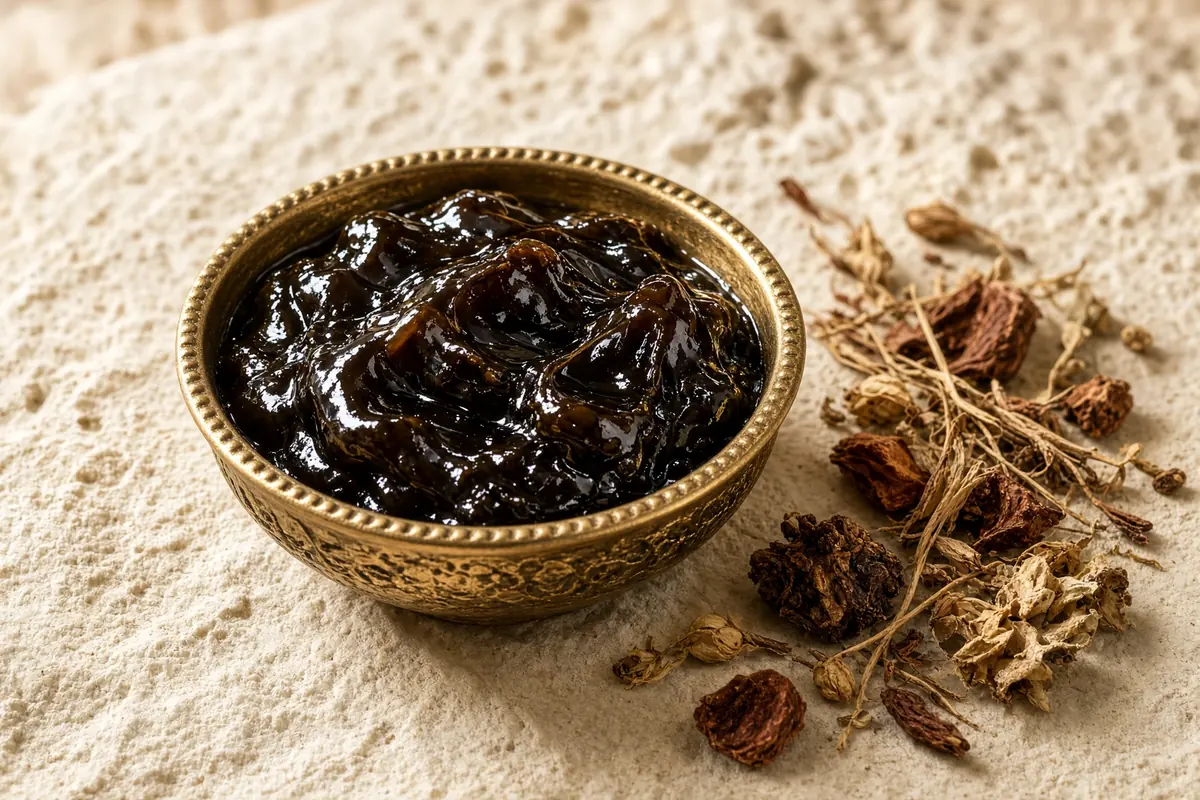
Ashoka bark is a classical Ayurvedic herb for women's cycles, found in formulas like ashokarishta. The true ashoka tree (Saraca asoca) is often confused with the tall 'false ashoka' used in gardens.
Ashoka bark (Saraca asoca) is the main ingredient in Ashokarishta and is traditionally used for heavy or painful periods. Modern research is limited to small studies. Heavy bleeding can have causes such as fibroids, thyroid problems or anaemia that need diagnosis.
Ashoka is also an endangered tree, and adulteration with other barks is common, so buy from reputable pharmacies.
Ingredients
- Ashokarishta or ashoka churna from a licensed pharmacy
How to prepare
- See a gynaecologist first for heavy or irregular bleeding.
- Use the dose your doctor or vaidya recommends.
How to use
- Take for the advised number of cycles, then review.
- Keep a period diary to track changes.
Helpful habits
- Buy bark or formulas from licensed Ayurvedic pharmacies only.
Precautions
- Avoid in pregnancy. Ashokarishta contains self-generated alcohol and sugar.
- Heavy or irregular bleeding needs a gynaecologist's check first.
- Avoid in pregnancy.
- In pregnancy or while breastfeeding, check with your doctor first.
- Traditional use; scientific evidence is limited. Do not stop prescribed medicine.
Frequently asked questions
Is Ashokarishta alcoholic?
- It contains a small amount of naturally formed alcohol.
Can ashoka stop heavy bleeding?
- It may help some women, but the cause must be checked first.
Does ashokarishta contain alcohol?
- Arishtas are naturally fermented and contain some alcohol.