- barley water
- jau water recipe
- cooked grain drink
- barley and gluten
Barley Water: Traditional Recipe, Storage and Safety
A safe traditional barley-water recipe with gluten, storage and hydration guidance and urinary warning signs.
Important: this remedy is only a supportive home measure. Keep taking any medicine your doctor has prescribed, monitor your readings, and consult your doctor before adding anything new.
Barley water as a traditional food drink
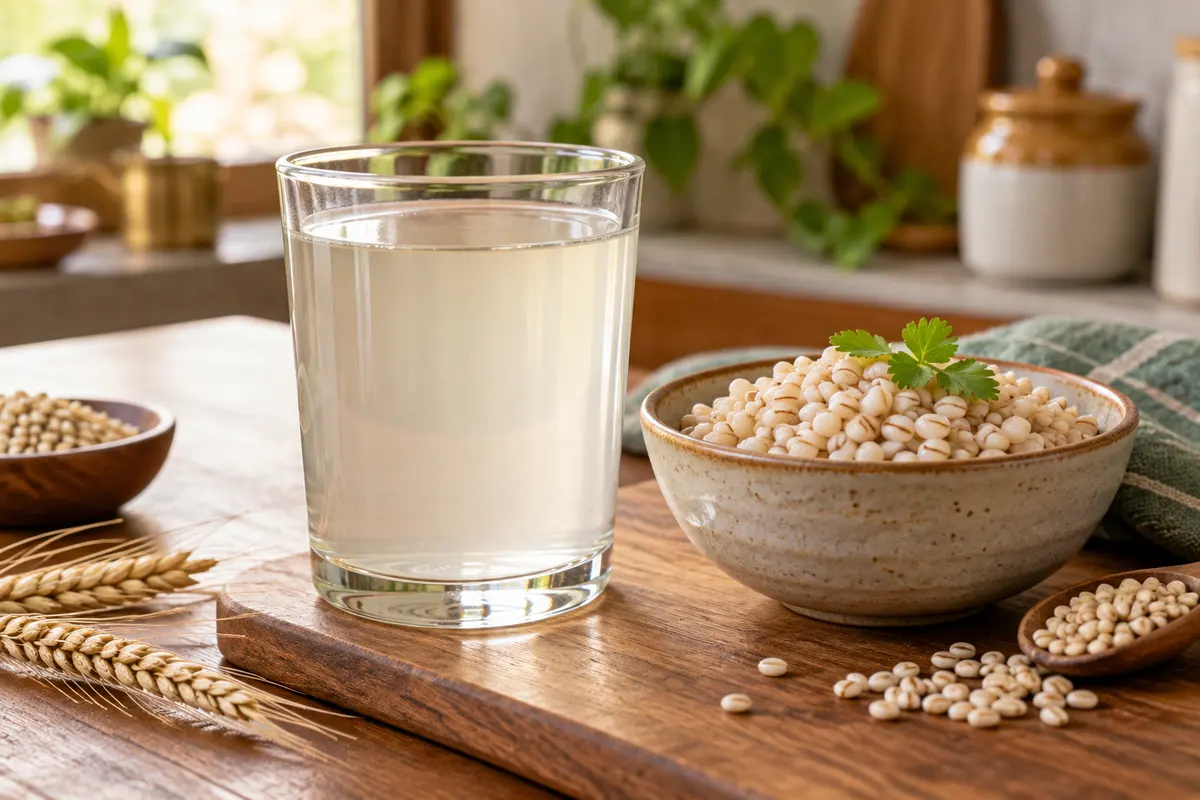
Barley water is the liquid from cooking barley in water. Depending on the grain and whether you strain it, it can be a thin drink or a lightly cloudy preparation. It is different from a sweetened bottled barley beverage and different again from a bowl of cooked whole grain. Those differences matter when comparing ingredients, texture and nutrition.
Look at the packet before starting. Pearled barley has been processed differently from hulled barley, so cooking time and the amount of water it takes up may differ. Rinse the measured grain, use a pan with space for foaming and cook gently. If the packet gives a longer cooking time than this small-batch method, follow the grain's instructions and check for softness. Do not leave a pan unattended while trying to reduce the liquid.
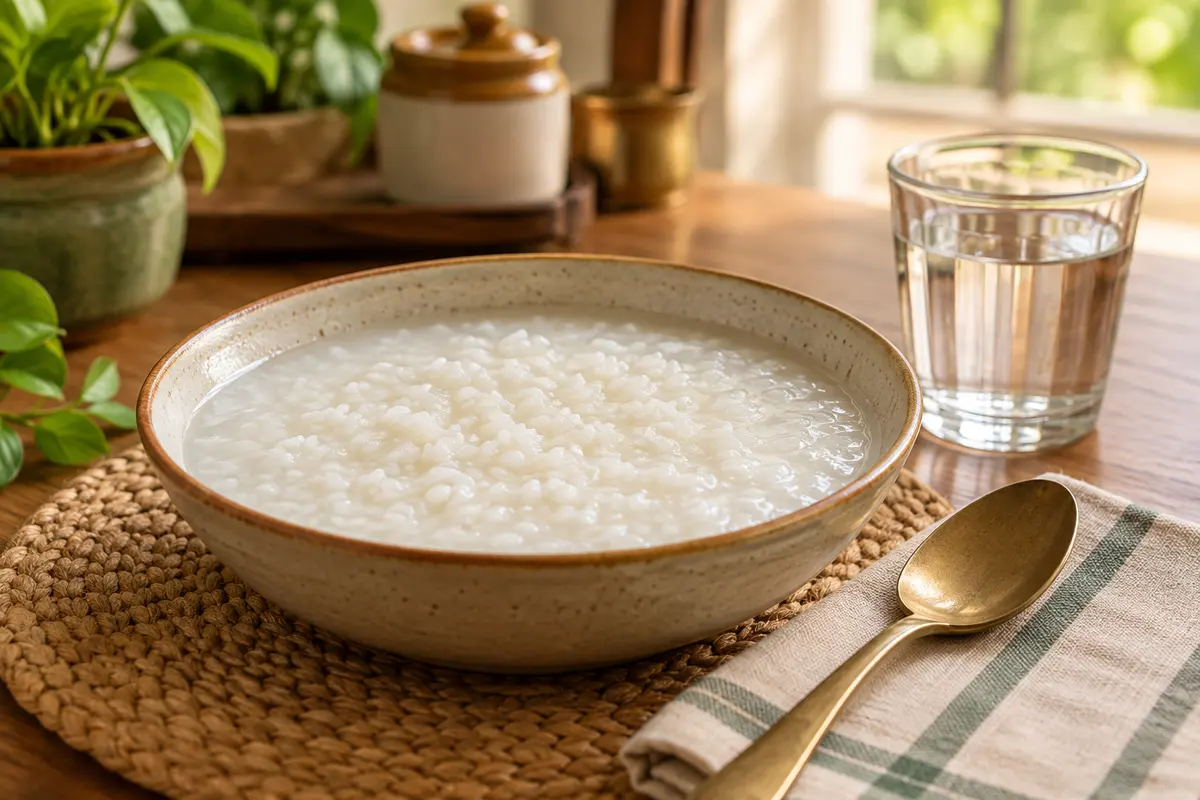
Strain for a lighter drink or retain some grain for a spoonable preparation. Removing the grain removes much of the food that would otherwise be eaten; a glass of strained liquid should not be described as nutritionally equivalent to a serving of barley. If you keep the cooked grain, use it in a suitable meal rather than discarding it solely to create a supposedly cleansing water.
Barley contains gluten. The NIDDK source identifies barley among grains relevant to coeliac disease. Straining cooked barley does not turn the water into a gluten-free drink. Someone avoiding gluten should choose another suitable beverage rather than relying on clarity or a fine sieve. The NHS hydration source supports ordinary fluid intake, not treatment claims for urinary infection, stones or kidney disease.
Taste before adding sugar, lemon or salt. Each addition changes the recipe and may matter to someone following a dietary plan. Cool and refrigerate leftovers promptly using food-storage guidance, because cooked grain and its liquid should not remain in a warm jug all day. This preparation is optional food use. If a person is unwell, the words natural, cooling or traditional do not establish that barley water is the appropriate treatment.
Ingredients
- ¼ cup pearl barley
- 1 litre water
- Small lemon wedge, optional
How to prepare
- Rinse barley.
- Simmer with water for 25 to 30 minutes.
- Strain and cool promptly.
- Refrigerate in a clean container.
How to use
- Drink a small glass as an optional beverage.
- Use cooked barley in a meal.
- Do not replace ORS with barley water.
Helpful habits
- Check whether the packet contains pearled or hulled barley and follow its cooking guidance.
- Use a pan with room for foam.
- Decide whether you want a strained drink or a grain-containing meal.
- Do not label strained barley water gluten-free.
Precautions
- Barley contains gluten.
- Kidney disease, diabetes or fluid restriction needs advice.
- Fever, urinary pain, blood in urine or side pain needs assessment.
Frequently asked questions
Is barley water suitable for coeliac disease?
- Barley contains gluten. Straining does not make this preparation gluten-free.
Why is mine cloudy?
- Cooking releases material from the grain. Cloudiness alone does not tell you whether it is spoiled or medicinally useful.
Can I eat the cooked grain?
- Yes, if barley is suitable for your diet and it has been cooked and stored appropriately.
Is this a treatment for urine infection?
- No. Do not use the recipe to delay assessment or prescribed treatment.
Prepared by: All Ayurvedics editorial team
No clinician review is recorded for this page. This is general information, not individual diagnosis or treatment advice.
Responsible site owner/editor: Manoj Singh. Editorial responsibility