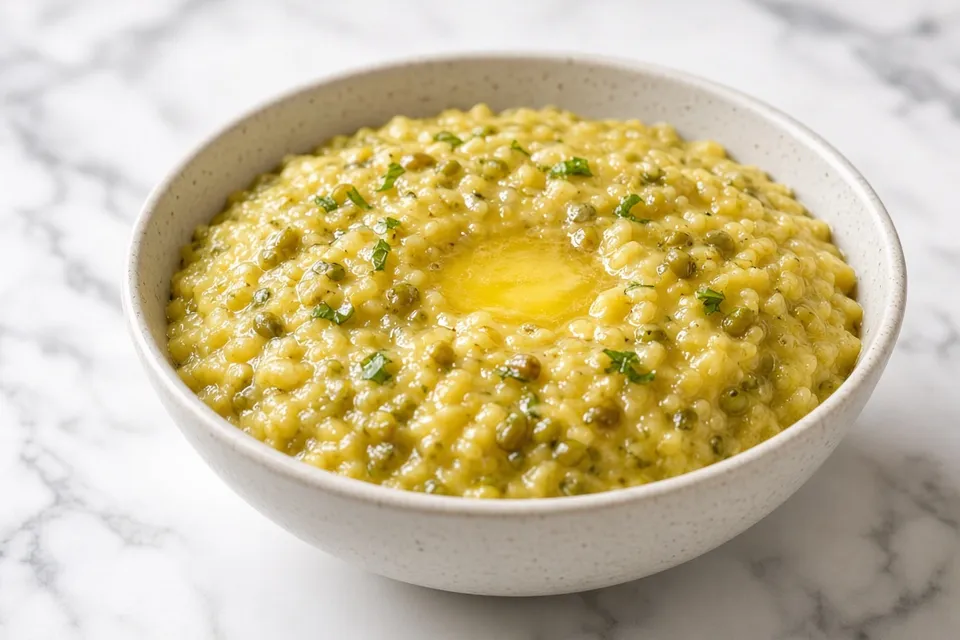
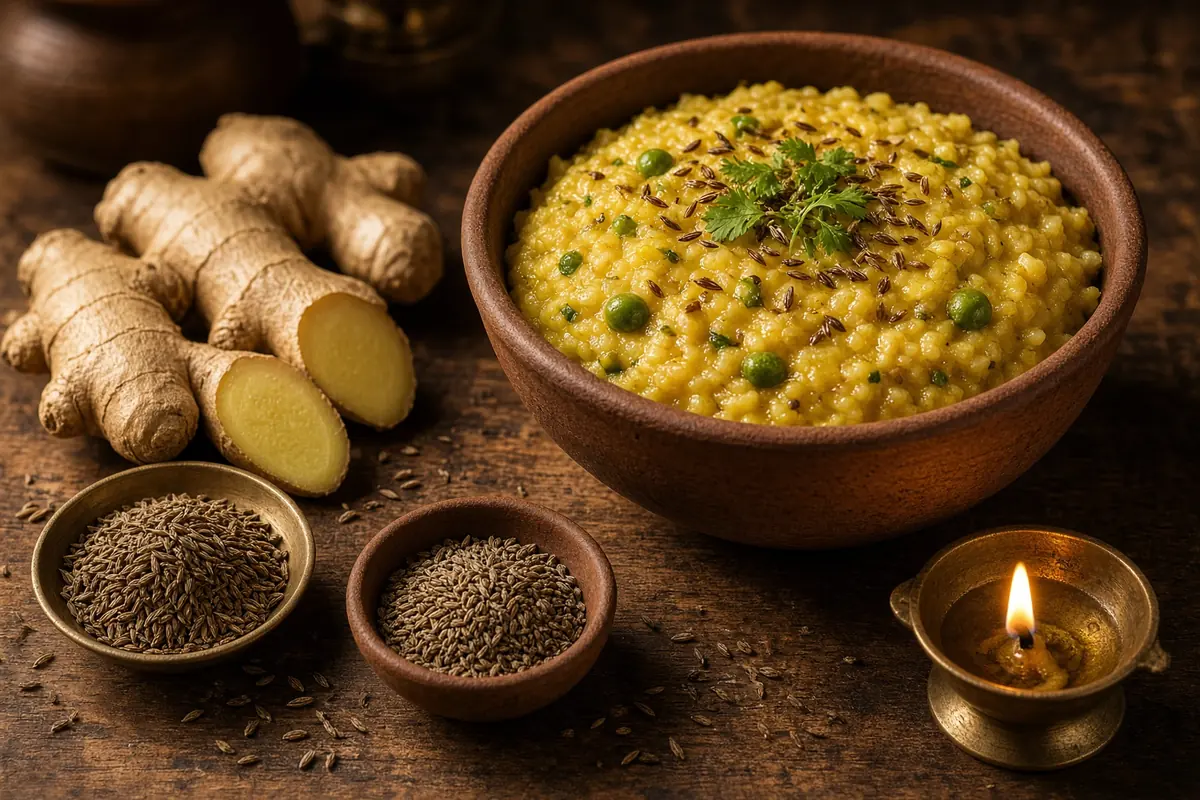
- rice gruel
- thin rice porridge
- soft food preparation
- low appetite meal
Soft Rice Gruel for a Low-Appetite Day
A soft rice-gruel recipe with safe cooking and storage, nutrition limits, hydration guidance and illness warning signs.
Important: this remedy is only a supportive home measure. Keep taking any medicine your doctor has prescribed, monitor your readings, and consult your doctor before adding anything new.
When simple rice gruel may be useful
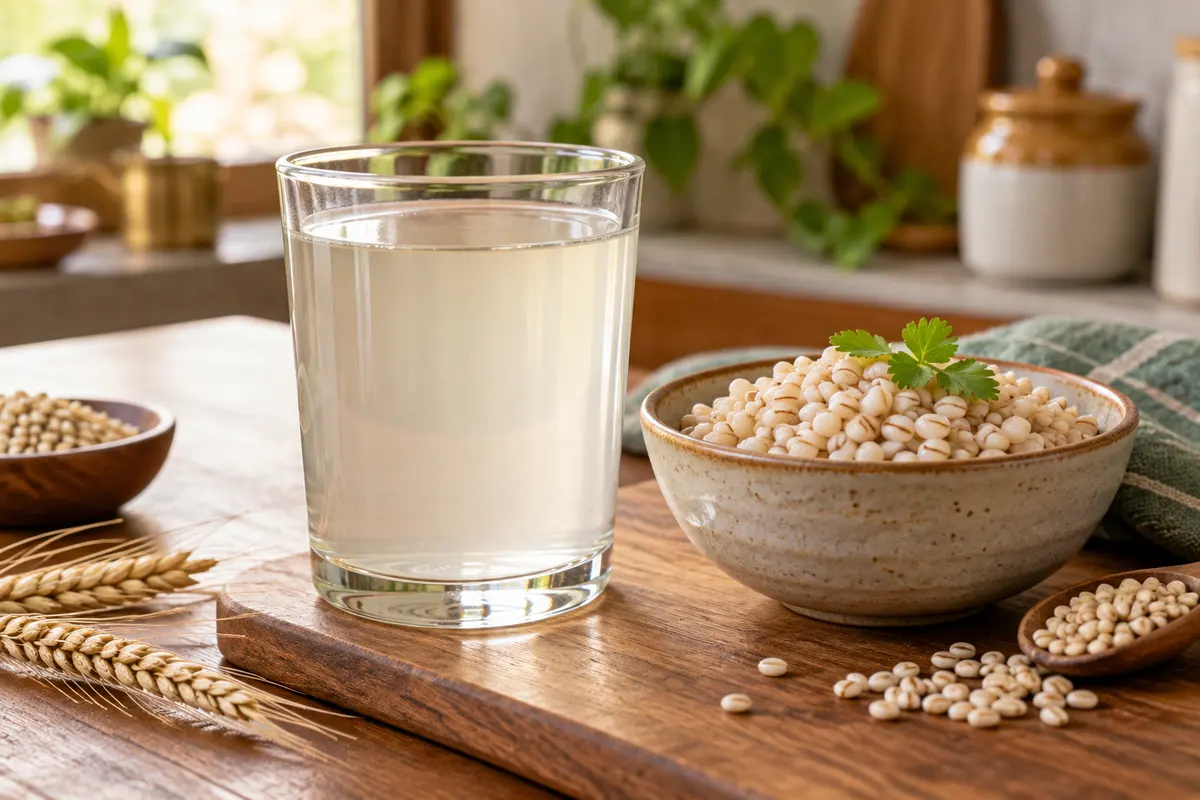
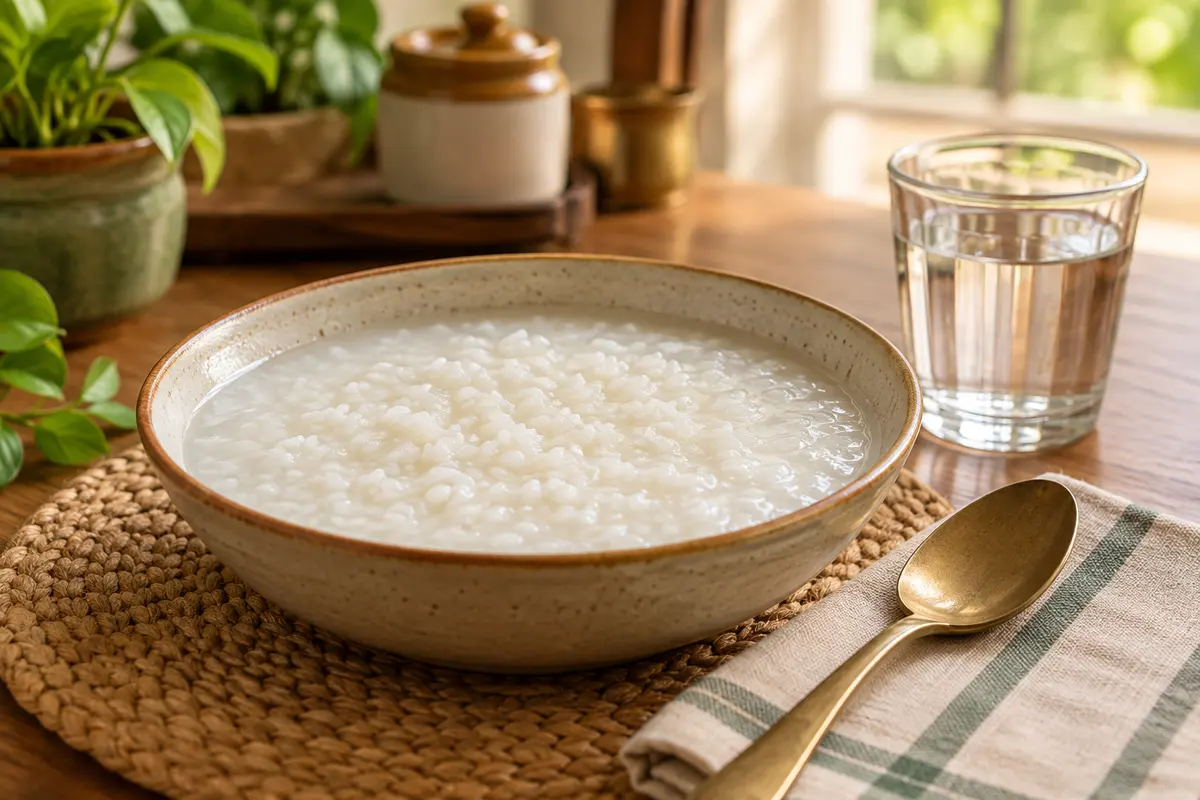
Rice gruel is rice cooked with enough water to become very soft and loose. A strained rice water and a bowl retaining the cooked rice are not the same food. This page favours keeping the softened grain unless there is a specific reason for a different texture. It describes a small, mild meal option when an adult wants something easy to prepare; it is not a complete diet for prolonged poor appetite.
Rice varieties absorb water differently. Begin with the measured recipe and watch the grain rather than following the clock alone. A gentle simmer helps avoid a scorched base, while occasional stirring keeps the softened rice from settling. If the grain is still firm and the liquid has disappeared, add hot drinking water in small amounts and continue cooking. If it becomes thicker while standing, loosen just before serving.
Use a spoon to check texture. For a smooth result, mash the cooked rice before adding the final water; simply diluting firm grains makes a watery bowl containing hard pieces. If swallowing is difficult, do not guess the required consistency. An individual swallowing plan may call for a specific texture, and a very thin liquid is not automatically easier or safer for that person.
Think about what the rest of the day contains. A bowl of very thin rice by itself is limited in variety and should not quietly replace ordinary meals day after day. When appetite allows, a suitable accompaniment or a gradual return to varied food is more useful than continually diluting the porridge. Keep chilli, sour additions and a heavy garnish optional so the person can choose a mild flavour.
Rice gruel is not oral rehydration solution: it does not have a standardised replacement composition, and this page does not instruct treatment for dehydration or diarrhoea. Persistent poor appetite, inability to eat or drink, or other signs of illness need care rather than a repeating rice-water routine. For leftovers, cool promptly and refrigerate according to food-storage guidance. Avoid keeping a pot lukewarm between small servings all day.
Ingredients
- ¼ cup white rice
- 2½ to 3 cups water
- Small pinch of salt if suitable
How to prepare
- Wash hands and rinse rice.
- Cook until grains break into a thin porridge.
- Add safe water if needed.
- Serve warm and refrigerate leftovers promptly.
How to use
- Start with a few spoonfuls.
- Add tolerated protein as appetite improves.
- Return gradually to a varied diet.
Helpful habits
- Keep the soft grain unless a separate texture plan says otherwise.
- Mash before final dilution if a smoother bowl is wanted.
- Loosen thickened porridge immediately before serving.
- Do not use thin rice water as the only meal for several days.
Precautions
- This is not ORS or a diarrhoea treatment.
- Special diets may apply in diabetes or kidney disease.
- Little urine, blood, severe pain, repeated vomiting, fever or unusual sleepiness needs care.
Frequently asked questions
Is rice gruel the same as ORS?
- No. This food recipe is not a standard oral rehydration solution or dehydration treatment.
Why does it thicken after cooking?
- The cooked mixture changes as it stands. Stir in a little suitable hot water to adjust it before serving.
Should I strain out all the rice?
- Not for the grain-containing meal described here. Straining creates a different, much thinner preparation.
Is thin liquid always safer for swallowing?
- No. Follow an individual professional swallowing plan when one is needed.
Prepared by: All Ayurvedics editorial team
No clinician review is recorded for this page. This is general information, not individual diagnosis or treatment advice.
Responsible site owner/editor: Manoj Singh. Editorial responsibility