- cardamom tea
- elaichi water
- green cardamom pods
- unsweetened infusion
Cardamom Tea After Meals
A fragrant green-cardamom infusion with pod selection, steeping, flavour adjustments and a clear distinction between a drink and digestive treatment.
Important: this remedy is only a supportive home measure. Keep taking any medicine your doctor has prescribed, monitor your readings, and consult your doctor before adding anything new.
cardamom tea: uses, limits and a safe method
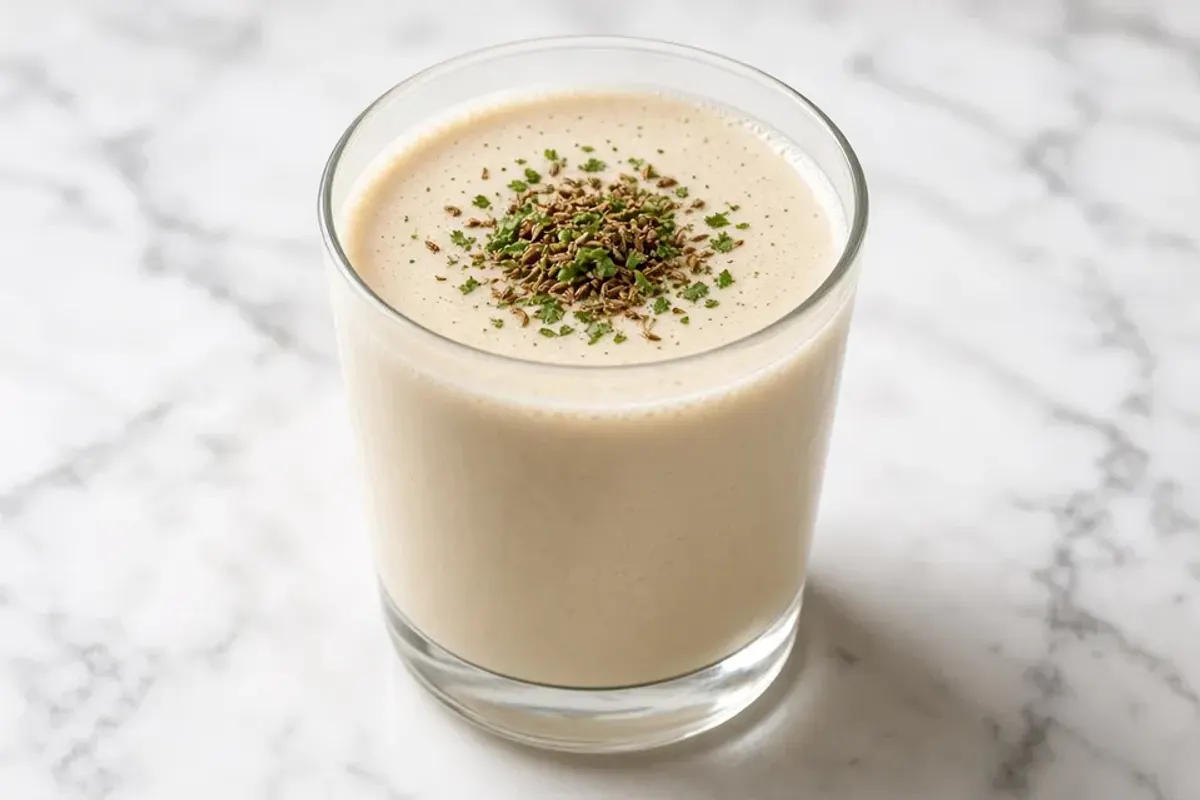
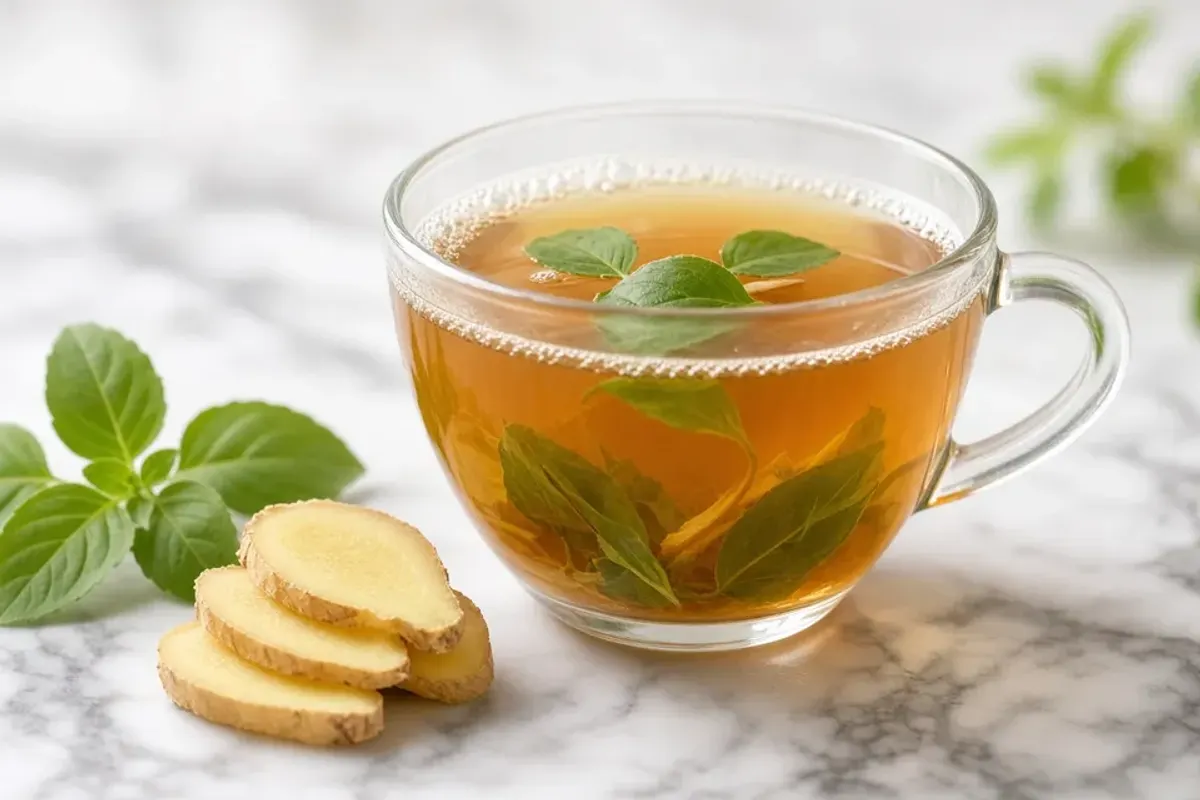
Green cardamom tea can be made without tea leaves: crack a couple of cooking pods and let their aroma infuse hot water. The result is lighter than milky elaichi chai. Someone expecting ordinary chai may otherwise keep adding tea, milk and sugar until the recipe is no longer the simple infusion described here. Both can be enjoyable, but they have different ingredients.
Choose green cardamom rather than black cardamom for this flavour. Black cardamom brings a smokier note used in different dishes. Open one pod and smell the seeds. Old pale husks with little aroma may give a disappointing cup even when boiled for a long time. Buying a small labelled packet that you can finish while aromatic is usually more practical than keeping a large open jar beside the stove.
Crack the pod enough to expose the seeds, without grinding everything to powder. Use a covered cup or small teapot so the aroma does not immediately escape. Once the brief steep is complete, strain both seeds and husks. Taste when comfortable to drink. If it is overpowering, dilute the finished cup; if too faint, adjust a future batch with fresher pods before adding a large handful.
The fragrance is the reason to choose this drink. It should not be promoted as a cure for reflux, nausea or persistent indigestion. The NHS reference gives background on drinks and hydration, not evidence for cardamom as a treatment. There is no required after-meal timing or compulsory course. Plain water is a suitable alternative when you do not enjoy the aroma.
For variations, change one ingredient at a time. Milk makes a different drink, and honey or sugar adds sweetness rather than medicinal action. Do not replace pods with essential oil: the recipe gives no guidance for concentrated oil ingestion. If abdominal pain recurs or eating repeatedly causes discomfort, a pleasant-scented cup cannot establish the cause. The useful outcome here is a repeatable optional beverage, not a diagnosis.
Ingredients
- 2 green cardamom pods
- 250 ml hot water
How to prepare
- Lightly crack the pods.
- Steep covered for 5 minutes.
- Strain and sip warm.
How to use
- Follow the method and portion shown above.
- Try one new measure at a time so any reaction is easier to identify.
- Continue normal meals, hydration, sleep and prescribed care.
Helpful habits
- Use green pods for the light aroma described here.
- Check the seeds' smell instead of judging freshness by the husk colour alone.
- Crack coarsely and strain both seeds and husks.
- Make milk and sweeteners optional, clearly labelled recipe changes.
Precautions
- Use food-grade pods, not concentrated essential oil.
- Avoid an ingredient that has previously caused allergy or irritation.
- Do not manage persistent or worsening abdominal pain by increasing the number of pods.
- Follow any prescribed fluid or dietary plan.
Frequently asked questions
Is this normal elaichi chai?
- This version has pods and water, without tea leaves or milk. Adding them makes another drink.
Can I use black cardamom?
- It gives a smokier flavour. The recipe is written for green pods.
Why is the flavour weak?
- Old pods or unopened husks may release little aroma. Check freshness and crack the pods.
Must I drink it after food?
- No. That is a serving preference, not a medical requirement.
Prepared by: All Ayurvedics editorial team
No clinician review is recorded for this page. This is general information, not individual diagnosis or treatment advice.
Responsible site owner/editor: Manoj Singh. Editorial responsibility