- sugar free gum teeth
- chewing gum after meals
- xylitol gum
- dry mouth habit
Sugar-Free Gum After Meals: Uses and Limits
When sugar-free gum may stimulate saliva, how to read labels and who should avoid chewing it.

Important: this remedy is only a supportive home measure. Keep taking any medicine your doctor has prescribed, monitor your readings, and consult your doctor before adding anything new.
sugar free gum after meals: method, benefits and precautions
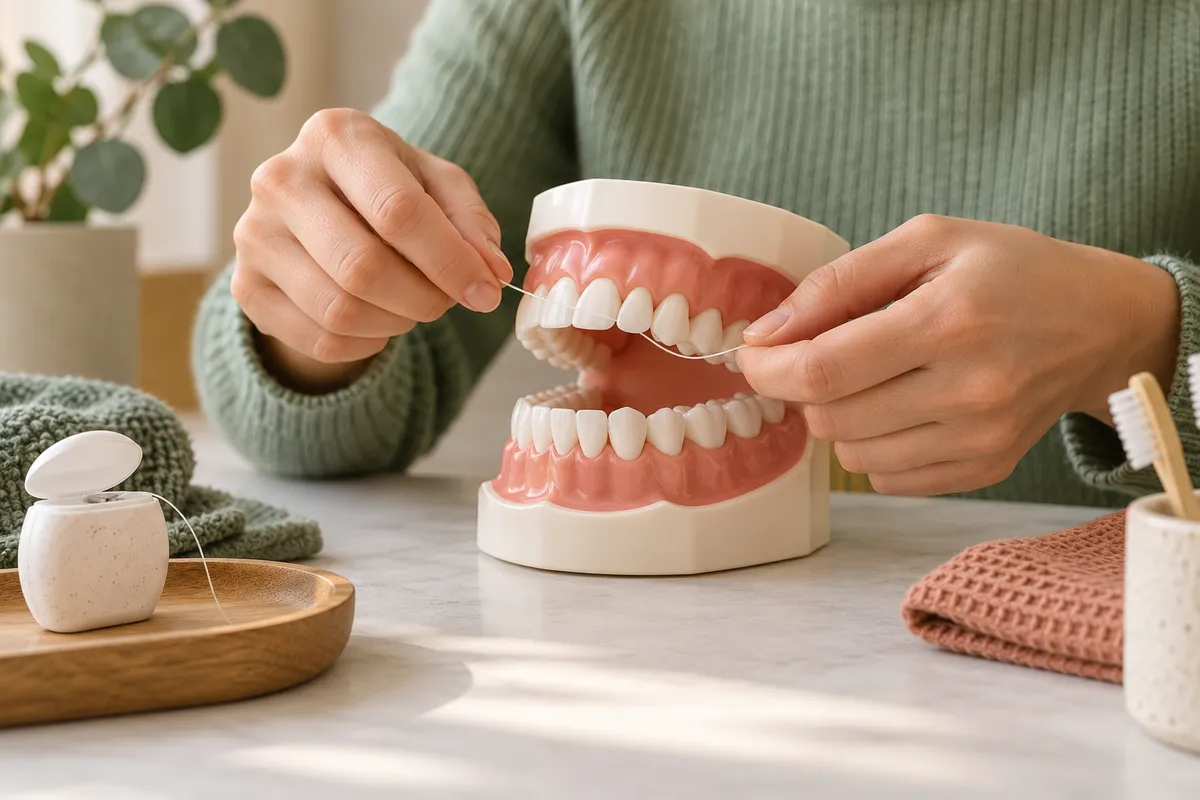
Sugar-free chewing gum can stimulate saliva and may be a useful optional addition after a meal. It does not replace fluoride brushing, cleaning between teeth or a dental visit. Check the actual sugar-free label rather than choosing a mint-flavoured product and assuming it has the same properties.
Choose a product that suits you and follow its directions. Chew comfortably rather than using an unusually hard gum or treating the activity as jaw training. Stop if it brings on pain, clicking with discomfort, headache or locking. More force and longer sessions are not a sensible way to improve the result.
Gum is not suitable when there is a choking or swallowing risk. Dental appliances, dentures or recent treatment may change what your dentist recommends. Check sweetener information if you have a condition requiring it, and do not keep eating large quantities if the product causes digestive discomfort. Store products away from small children and pets.
Persistent dry mouth deserves a review of medicines and possible causes; gum alone cannot explain it. Recurrent tooth pain or gum bleeding also needs assessment. Use the routine as a convenient extra when appropriate, not a ritual that allows you to miss the ordinary dental care that provides the foundation.
Ingredients
- A labelled sugar-free gum
- A ten-minute limit
- A disposal wrapper
How to prepare
- Check the product is sugar-free and suitable for you.
- Chew gently according to directions.
- Stop for jaw symptoms or digestive discomfort.
How to use
- Optional adjunct only; avoid prolonged hard chewing and follow dental advice.
Helpful habits
- Mint flavour does not mean sugar-free.
- Gum is not jaw exercise.
- Persistent dry mouth needs assessment.
Precautions
- Avoid in young children, swallowing risk, jaw-joint pain or after dental instructions that prohibit chewing.
- Ask a clinician first if you have allergies, are pregnant, have a long-term condition or take regular medicines.
- Seek urgent care for severe pain, breathing difficulty, fainting, repeated vomiting, bleeding or rapidly worsening symptoms.
Frequently asked questions
Can gum replace a brush?
- No.
Should I continue through jaw pain?
- No. Stop and seek advice if symptoms persist.
Prepared by: All Ayurvedics editorial team
No clinician review is recorded for this page. This is general information, not individual diagnosis or treatment advice.
Responsible site owner/editor: Manoj Singh. Editorial responsibility