
Snack
Jowar poha chivda
Thick jowar flakes roasted with peanuts, curry leaves and turmeric into a dry chivda. A millet snack that stays crisp in a jar.
20 min
Prepared by: All Ayurvedics editorial team
No clinician review is recorded for this page. This is general information, not individual diagnosis or treatment advice.
Responsible site owner/editor: Manoj Singh. Editorial responsibility
0 of 3 steps done
4 servings
Heat: Mild
Approximate nutrition
No verified nutrition calculation is documented for this recipe, so exact calorie and protein figures are not displayed. Ingredients, brands and portion size change nutrition. Check ingredients and labels for allergies or a prescribed diet.
Ingredients
Method
Preparation and ingredient choices
Use the jowar flakes named in the recipe, not whole sorghum grain. Their thickness affects crisping, so test a small handful first. Keep peanuts, curry leaves and spices dry before they approach hot oil to reduce splattering.
Texture and troubleshooting
Roast or toss over gentle heat, moving the flakes so the bottom layer does not scorch. Add delicate flakes after slower-cooking nuts. Judge final crispness only after a sample cools, and stop before the flakes turn bitter or overly dark.
Serving, substitutions and handling
Cool completely before storing in a clean dry container. Do not mix damp fresh garnish into a batch intended for storage. Check the flake label and shared ingredients when avoiding gluten; jowar itself does not guarantee a cross-contact-free finished snack.
These are editorial kitchen instructions; no first-hand cooking-test record is documented on this page. Illustrations are not evidence of a tested result.
Food-handling references
These support general handling guidance, not a test or endorsement of this particular recipe.
Related remedies
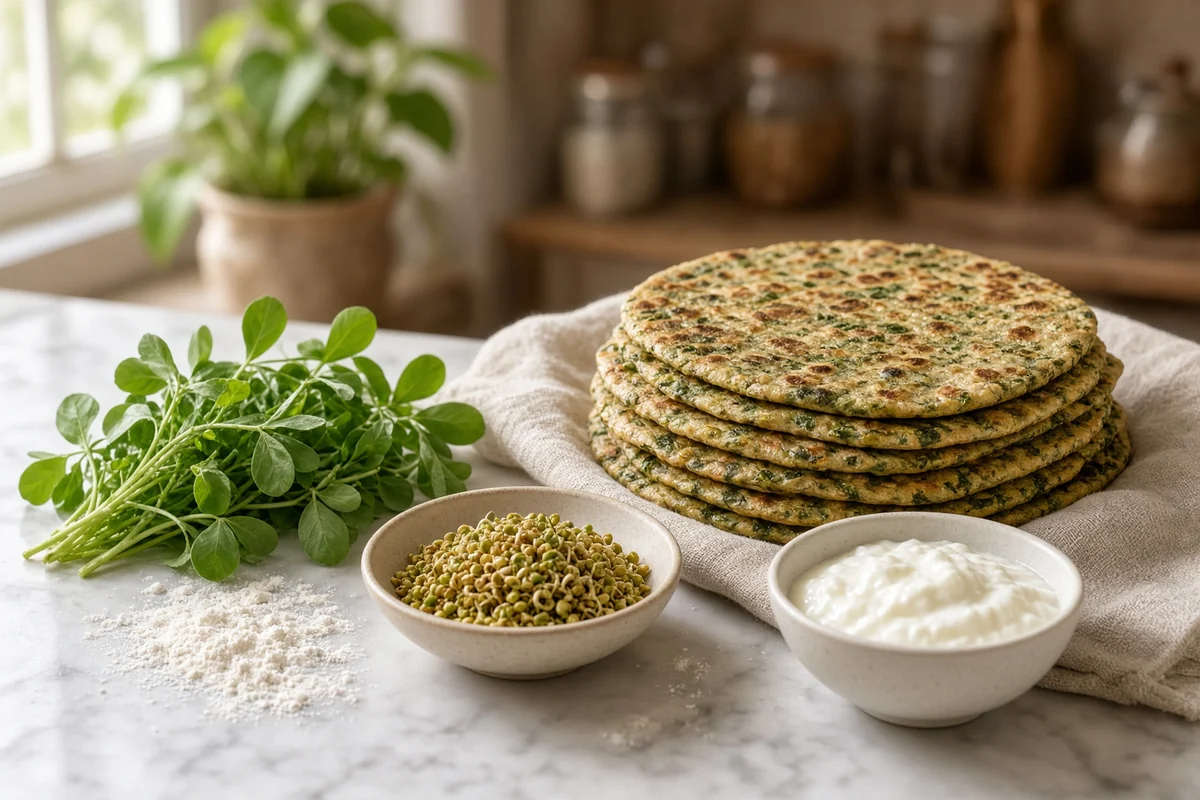 Methi Benefits and Uses: How to Include Fenugreek in Everyday FoodA practical guide to using fresh methi, methi seeds and kasuri methi in home cooking, with a moong dal recipe and clear limits on medicinal claims.
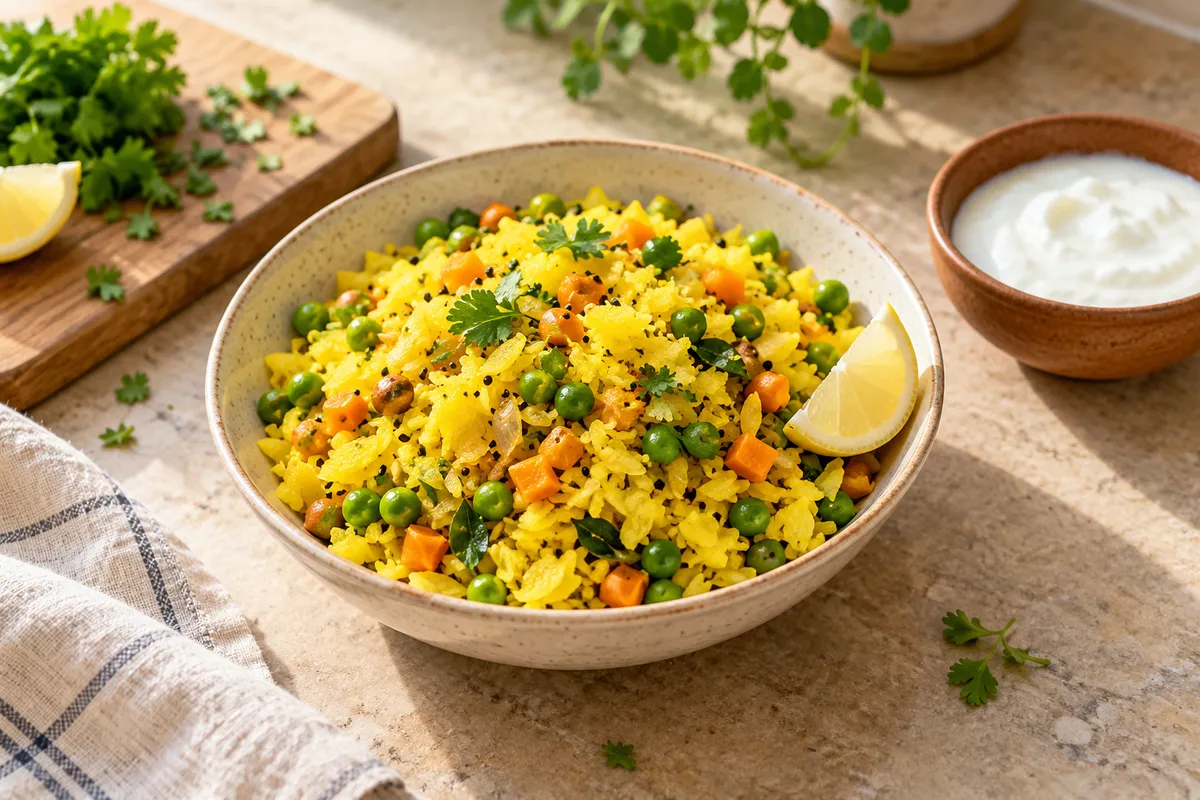 Vegetable Poha for a Balanced Indian BreakfastA practical vegetable poha method with portion, protein pairing and food-safety guidance for a balanced Indian breakfast.
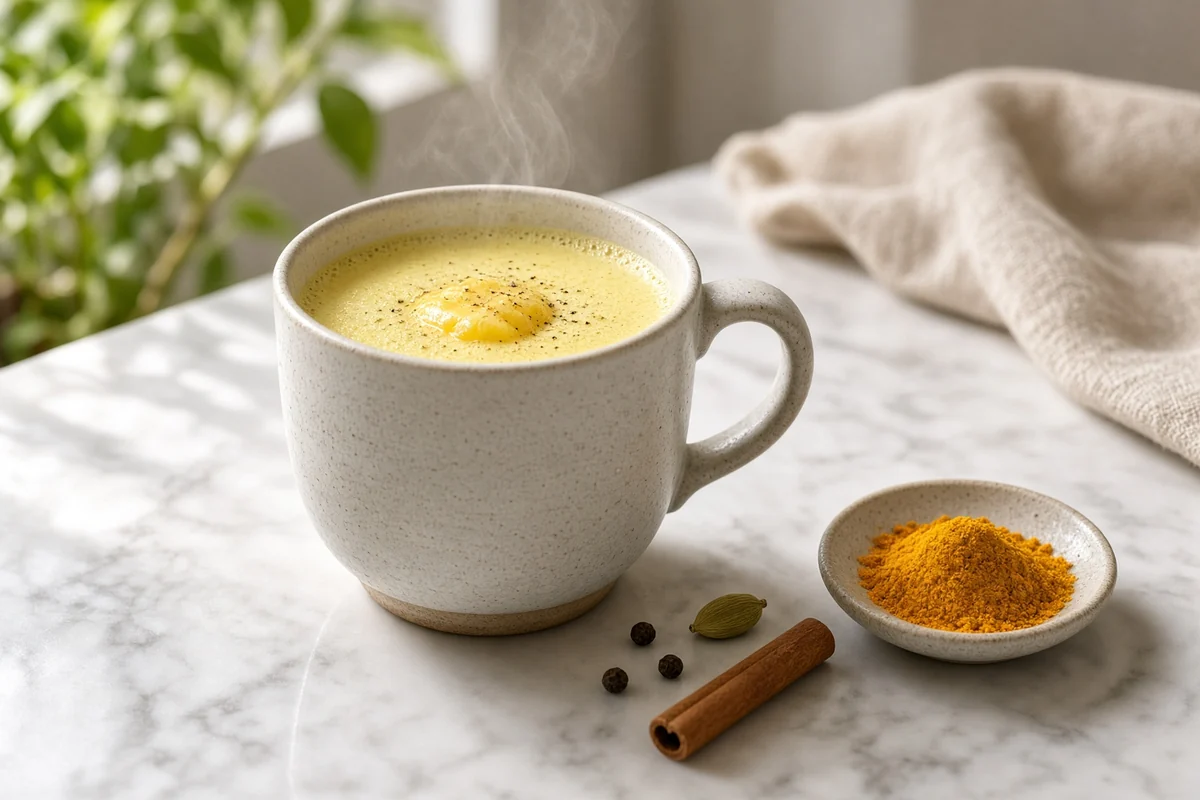 Turmeric Milk: Traditional Uses, Benefits, Recipe and SafetyA guide to preparing haldi doodh, choosing suitable ingredients and understanding the difference between a kitchen spice and a concentrated supplement.
Related recipes
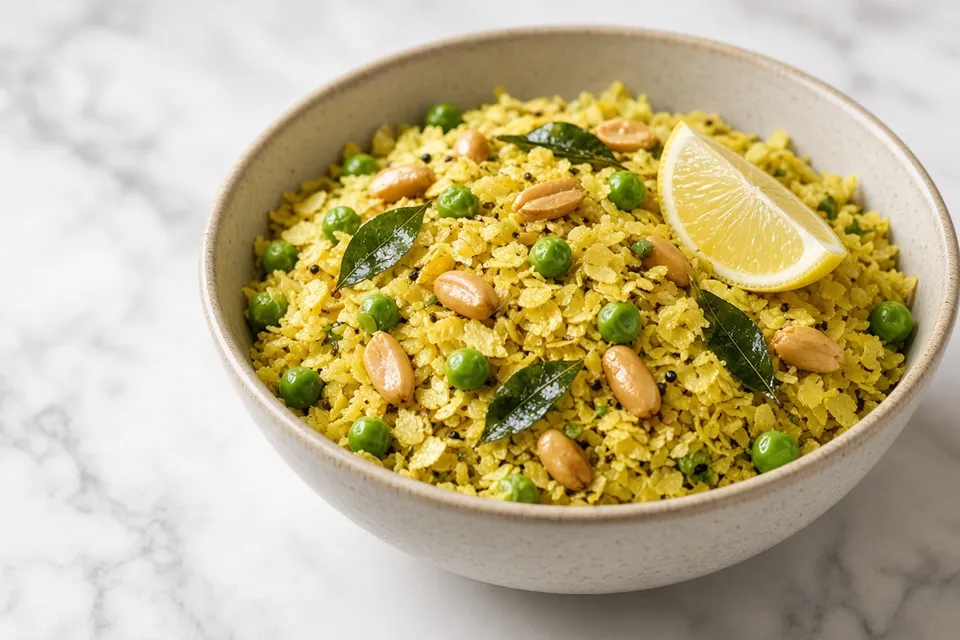 Lemon peas pohaFlattened rice rinsed, not soaked to mush, then tossed with peas, turmeric, lemon and peanuts.
 Peanut sundalBoiled peanuts tossed with mustard, curry leaves, green chilli and fresh coconut. A Tamil evening sundal, high in protein and free of onion.
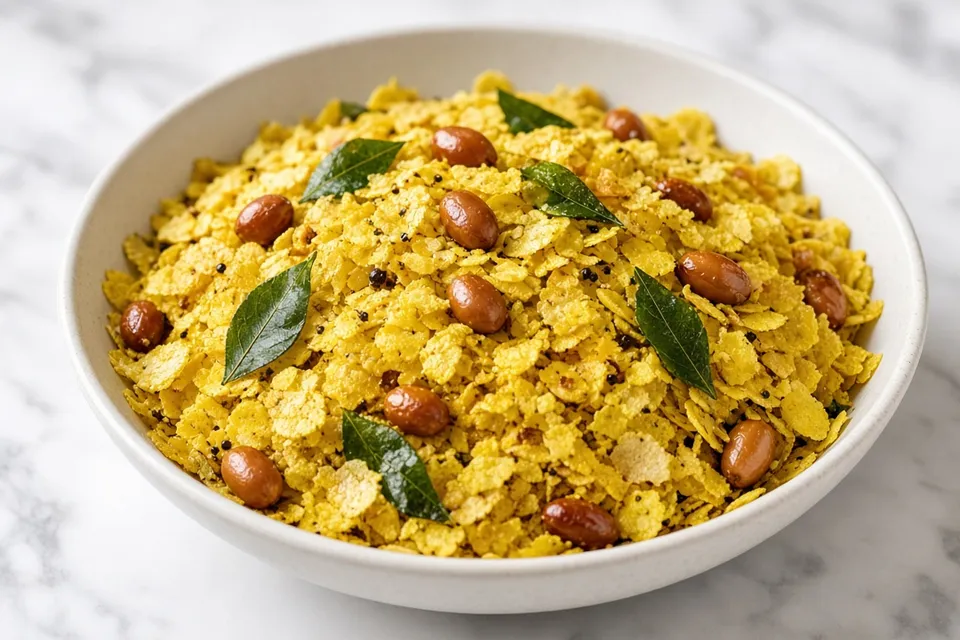 Peanut poha chivdaThin poha toasted with peanuts, curry leaves and turmeric. A dry snack, not the wet breakfast poha.