
Snack
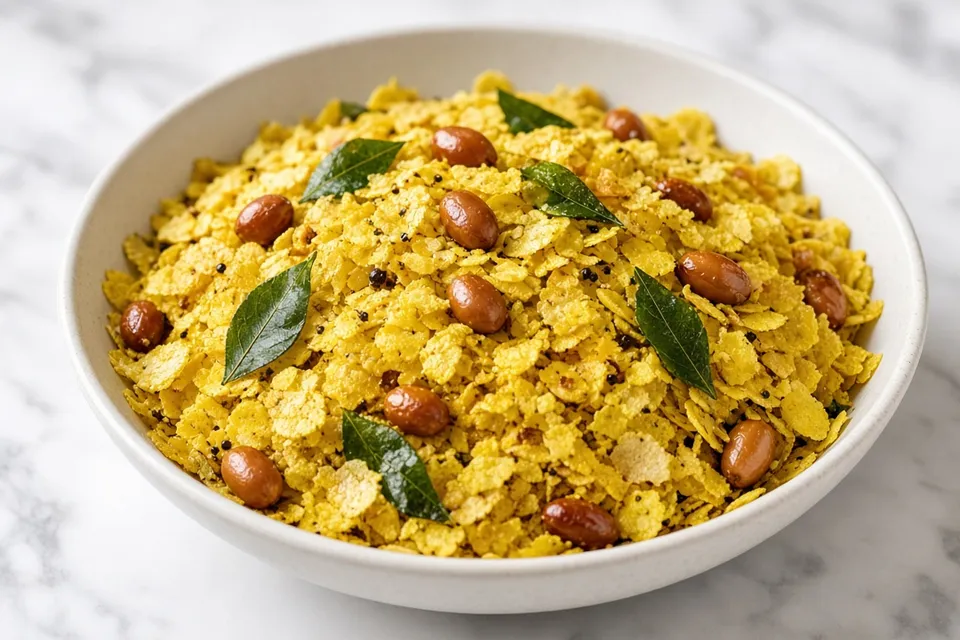
Peanut poha chivda
Thin poha toasted with peanuts, curry leaves and turmeric. A dry snack, not the wet breakfast poha.
20 min
Prepared by: All Ayurvedics editorial team
No clinician review is recorded for this page. This is general information, not individual diagnosis or treatment advice.
Responsible site owner/editor: Manoj Singh. Editorial responsibility
0 of 4 steps done
4 servings
Heat: Mild
Approximate nutrition
No verified nutrition calculation is documented for this recipe, so exact calorie and protein figures are not displayed. Ingredients, brands and portion size change nutrition. Check ingredients and labels for allergies or a prescribed diet.
Ingredients
Method
Match the method to the poha
Thin and thick flattened rice behave differently. Check the packet before using the same roasting time for both. Work in a dry pan with enough room to turn the flakes gently. Crushing them repeatedly with a heavy spoon produces dust rather than a crisp mixture. Let a sample cool before deciding whether it is crisp.
Cook components separately when needed
Peanuts take longer than delicate leaves or small spices. Prepare them with controlled heat and add fragile ingredients at the appropriate stage rather than putting everything into a very hot pan together. Make sure washed curry leaves are dry before they meet hot oil. Remove burnt pieces instead of distributing their flavour through the whole batch.
Cool before sealing
Spread the finished mixture so heat can escape before it goes into a clean dry container. Sealing while steaming traps moisture and softens the flakes. Use a dry spoon and check the storage condition rather than assigning an automatic long shelf life. Peanuts are a major allergen; label the mixture and avoid cross-contact. This is a snack portion, not a compulsory replacement for a meal.
These are editorial kitchen instructions; no first-hand cooking-test record is documented on this page. Illustrations are not evidence of a tested result.
Food-handling references
These support general handling guidance, not a test or endorsement of this particular recipe.
Related remedies
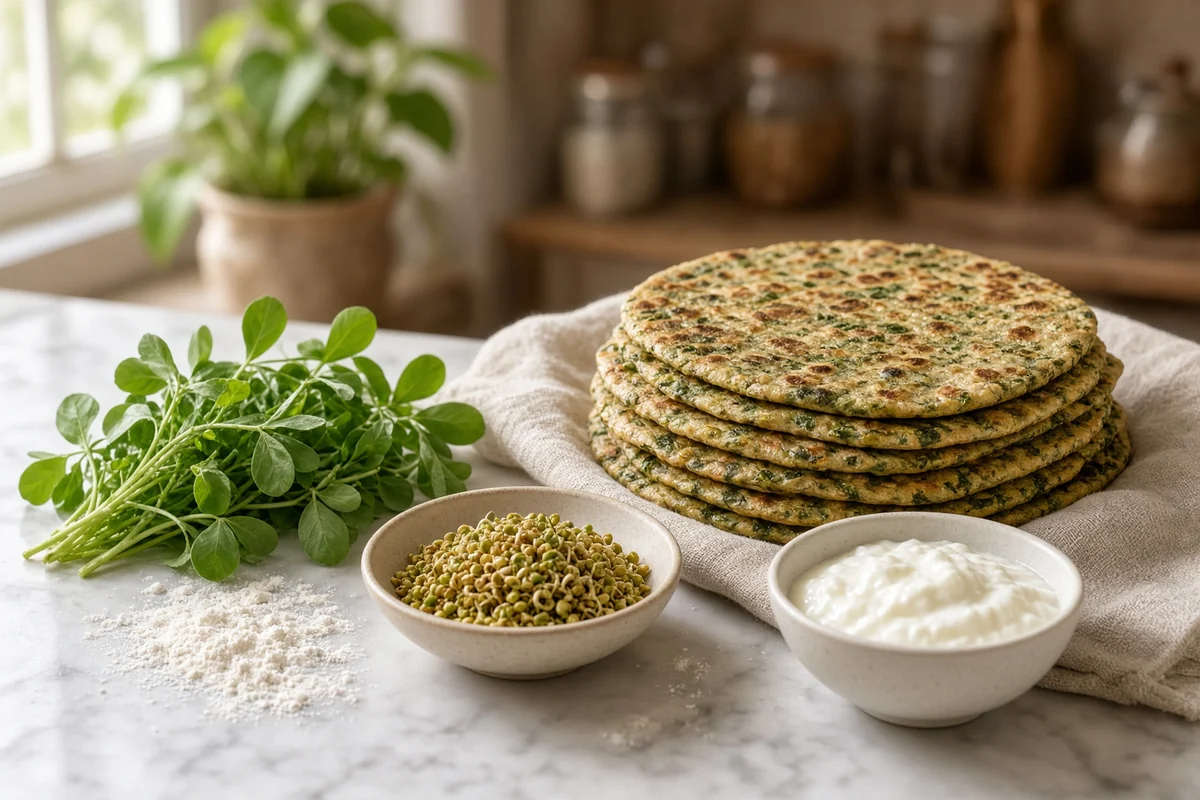 Methi Benefits and Uses: How to Include Fenugreek in Everyday FoodA practical guide to using fresh methi, methi seeds and kasuri methi in home cooking, with a moong dal recipe and clear limits on medicinal claims.
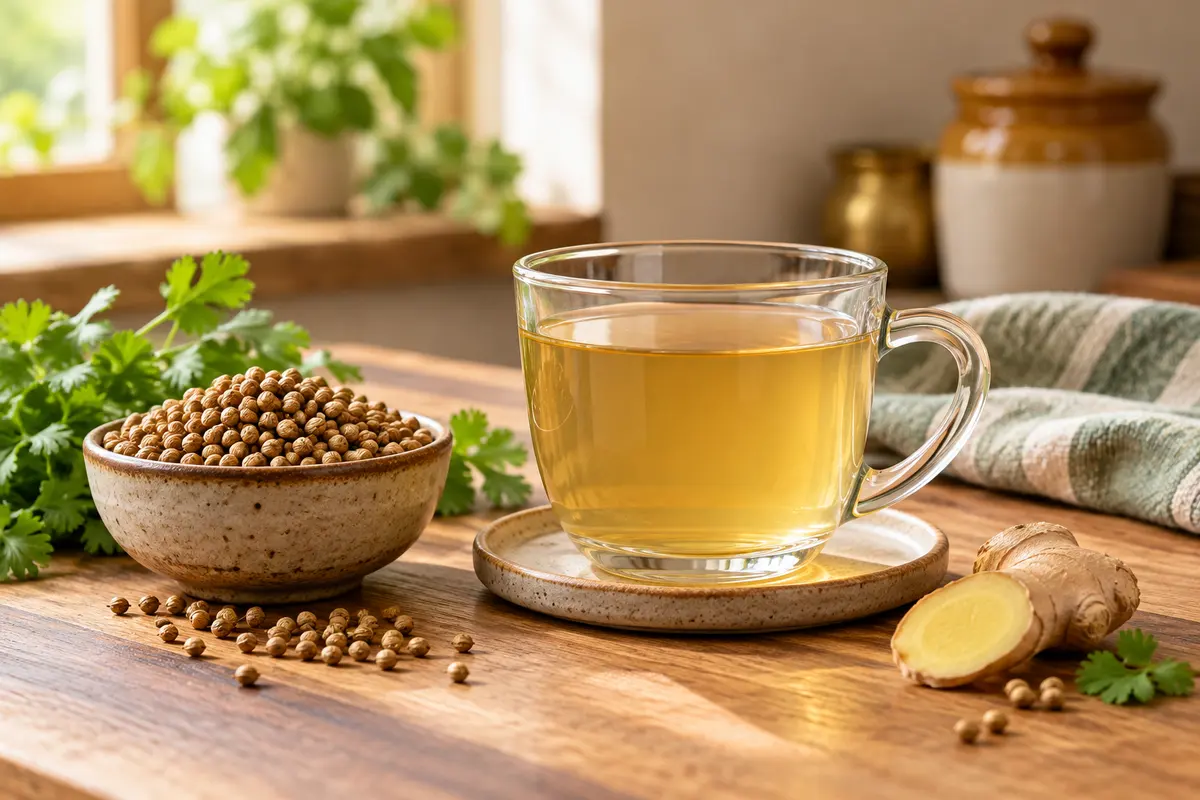 Coriander-Seed Infusion as a Caffeine-Free DrinkA mild coriander-seed drink for caffeine-free variety, without kidney-cleanse, diabetes-treatment or rapid weight-loss claims.
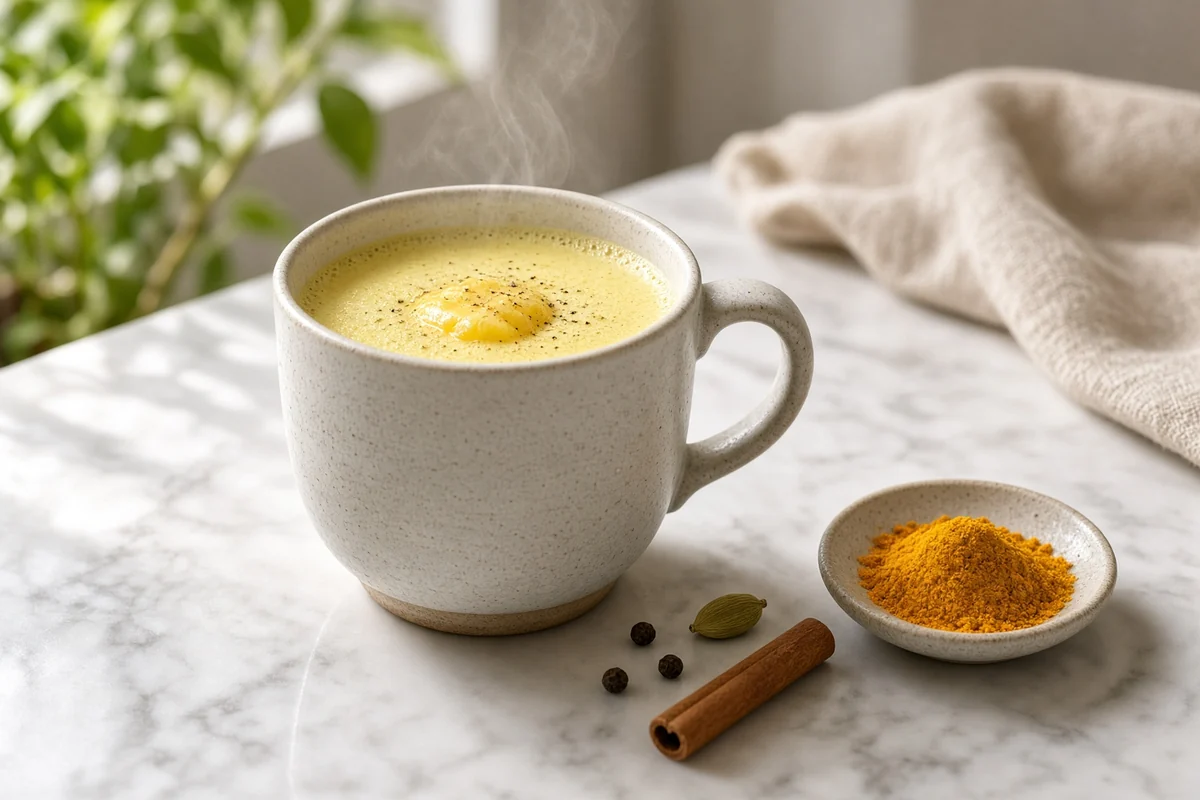 Turmeric Milk: Traditional Uses, Benefits, Recipe and SafetyA guide to preparing haldi doodh, choosing suitable ingredients and understanding the difference between a kitchen spice and a concentrated supplement.
Related recipes
 Jowar poha chivdaThick jowar flakes roasted with peanuts, curry leaves and turmeric into a dry chivda. A millet snack that stays crisp in a jar.
 Peanut sundalBoiled peanuts tossed with mustard, curry leaves, green chilli and fresh coconut. A Tamil evening sundal, high in protein and free of onion.
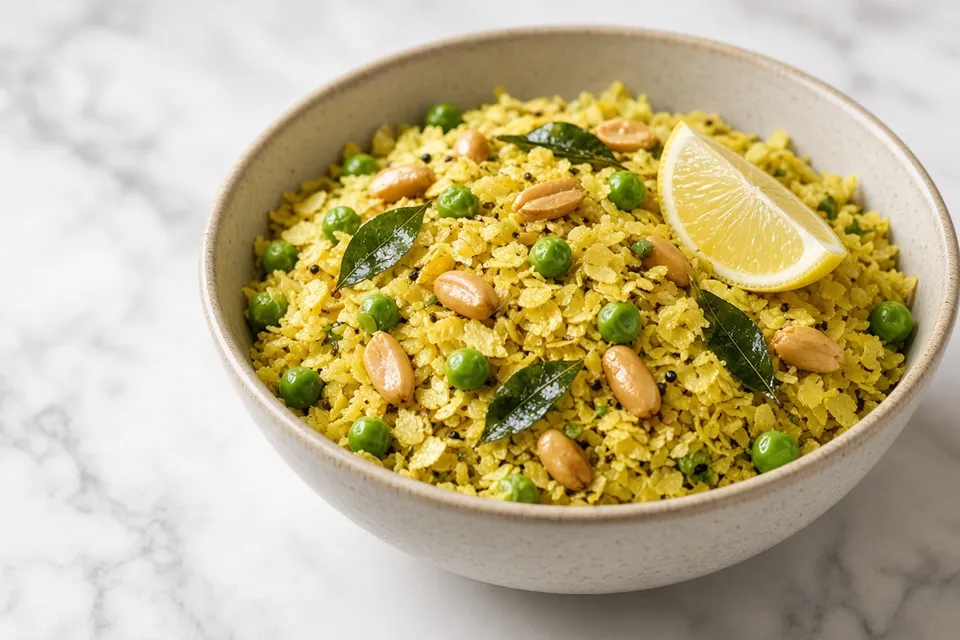 Lemon peas pohaFlattened rice rinsed, not soaked to mush, then tossed with peas, turmeric, lemon and peanuts.