Methi Benefits and Uses: How to Include Fenugreek in Everyday Food
A practical guide to using fresh methi, methi seeds and kasuri methi in home cooking, with a moong dal recipe and clear limits on medicinal claims.
Important: this remedy is only a supportive home measure. Keep taking any medicine your doctor has prescribed, monitor your readings, and consult your doctor before adding anything new.
Methi benefits, food uses and the different forms
What is methi? Methi, or fenugreek, is familiar in Indian kitchens. Fresh leaves have a slightly bitter flavour, seeds add a distinctive aroma to tempering, pickles and spice mixtures, and dried leaves called kasuri methi are crumbled into cooked dishes. These forms serve different purposes: leaves work as a vegetable ingredient, seeds are generally used in smaller amounts as a spice, and dried leaves provide finishing flavour.
Methi has a long history in traditional medicine. Enjoying it in food and taking medicinal quantities are different decisions. This guide focuses on ordinary cooking rather than prescribing powders, capsules or concentrated drinks.
Traditional uses and research: fenugreek has been used for digestive complaints and supporting milk production during breastfeeding. History explains its popularity, but does not prove every claimed benefit. Blood-sugar research has some promising findings, although many studies have limitations. Evidence for increasing breast milk is mixed. Do not present it as a reliable treatment for diabetes or low milk supply. Enjoy it in varied meals and seek appropriate advice for medical concerns.
Variety in home cooking: fresh methi gives dal, sabzi and flatbreads a flavour different from coriander or spinach. Rotating ingredients makes everyday meals more interesting without elaborate recipes. Start with a small handful in a larger dish if unfamiliar with the bitterness, then adjust to taste.
Several useful forms: fresh leaves suit cooked dishes. Seeds are convenient for tempering; kasuri methi is useful when fresh leaves are unavailable. You do not need every form. Choose the one that fits meals you already cook.
Control over recipes: cooking at home lets you decide salt, oil and spices, especially when packaged preparations contain unwanted ingredients. A meal's overall value depends on all its ingredients and portions. Adding methi does not automatically make a heavily salted or oily dish suitable for everyone.
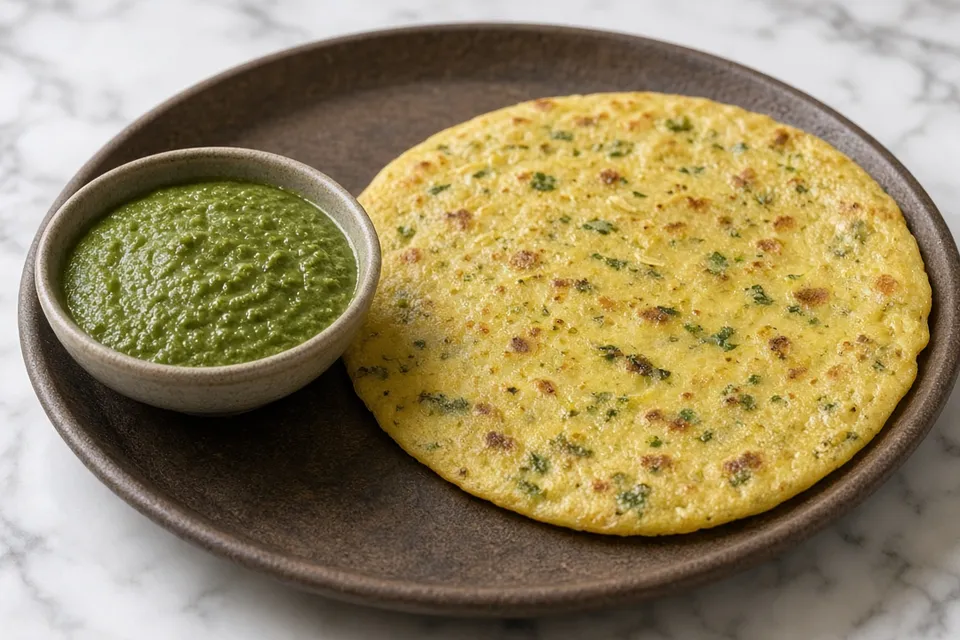
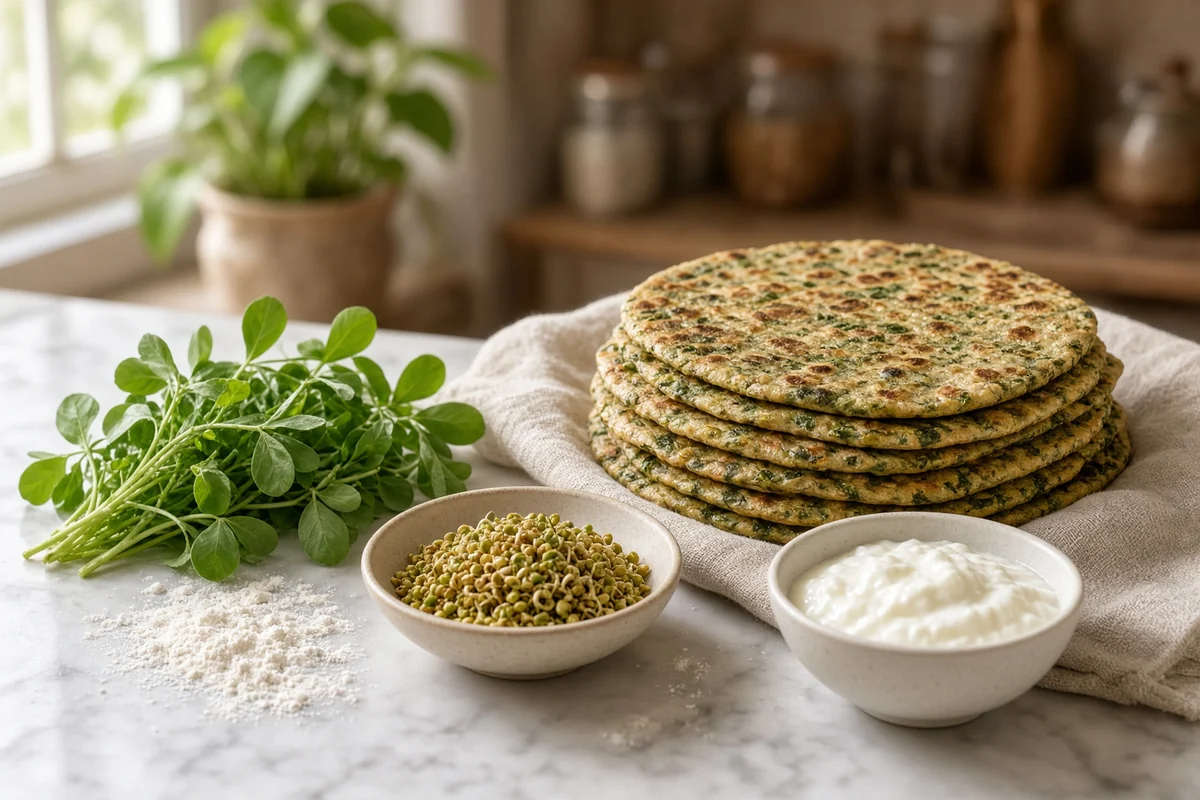
Fresh leaves: use in dal, sabzi, thepla and paratha. Sort, wash and chop before cooking. Seeds: use in tempering, pickles and spice mixtures; use modest amounts and avoid burning. Kasuri methi: crumble a little between your palms for finishing flavour in dal and gravies. Do not substitute a large quantity of seeds for a handful of leaves. They behave differently and can make the dish unpleasantly bitter.
Methi water each morning? There is no universal requirement to drink soaked methi water on an empty stomach. Soaking changes preparation; it does not establish a medicinal dose or prove that the water treats disease. You do not need a daily drink just because a social-media post recommends it. Using seed powder, soaked seeds, tea and capsules together makes total intake harder to judge.
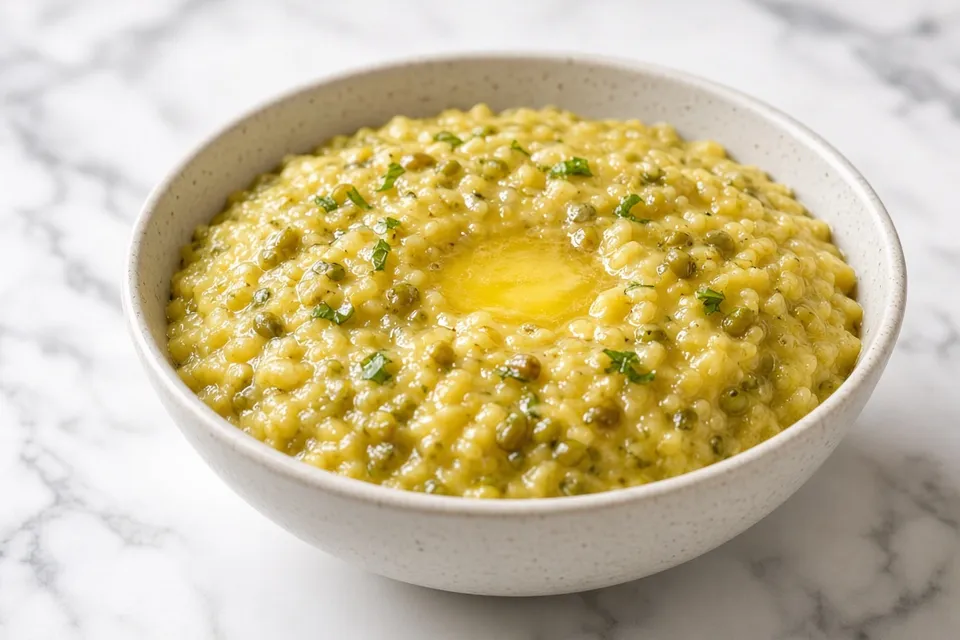
The recipe below makes approximately two modest servings. Cooking time varies with dal, pan and method. Use softness and doneness rather than a fixed time as your guide. Serve with rice or roti and other foods appropriate to your meal.
Ingredients
- ½ cup split yellow moong dal
- One small handful of fresh methi leaves
- Approximately two cups of water, with more as needed
- ¼ teaspoon turmeric and ½ teaspoon cumin seeds
- One teaspoon cooking oil or ghee, optional
- Salt according to preference; a little chopped ginger, optional
How to prepare
- Sort methi and discard damaged leaves and tough stems. Wash thoroughly under running water, then chop.
- Rinse dal and place it in a saucepan with water and turmeric.
- Bring to a boil, then simmer until dal begins to soften.
- Add methi and continue until both dal and leaves are fully cooked. Add water for a thinner consistency.
- For optional tempering, gently heat oil in a separate pan. Add cumin and optional ginger; let them become fragrant without burning.
- Stir the tempering into dal and season to taste. Cooking time is approximate; ensure the dal is soft and cooked.
How to use
- Add chopped leaves to potato or mixed vegetables and cook thoroughly.
- Mix washed, chopped leaves into flatbread dough. Begin with a small amount to keep dough manageable.
- Crumble a little kasuri methi into cooked dal or gravy and simmer briefly.
- Use a small pinch of seeds in tempering. If they burn and taste sharply bitter, prepare the tempering again.
Helpful habits
- Use less methi when unfamiliar with bitterness; combine with other ingredients instead of increasing the amount immediately.
- Choose sound leaves without mould or extensive sliminess. Remove damaged portions, wash under running water and never use soap or detergent on produce.
- Refrigerate washed leaves and prepared dishes promptly.
- Keep seeds and kasuri methi in clean, dry containers, use a dry spoon and follow packaging storage instructions.
Precautions
- Large amounts can cause digestive symptoms or a harmful drop in blood sugar. Allergic reactions are possible; seek advice before herbal treatment if taking medicines.
- During pregnancy, avoid amounts greater than ordinarily found in food. Evidence about larger amounts during breastfeeding is limited.
- Stop preparations that cause discomfort. Difficulty breathing, facial swelling or a severe allergic reaction requires urgent care.
- Do not replace prescribed diabetes treatment or individual feeding support with methi.
Frequently asked questions
Can methi cure diabetes?
- It should not be described as a cure or replace prescribed treatment.
Are leaves and seeds interchangeable?
- No. Their flavour, texture and recipe uses differ.
Must I soak seeds before every use?
- No. Some recipes soak them; others use a small amount directly in tempering.
How can I reduce bitterness?
- Use less methi, combine with other ingredients and avoid burning the seeds.
Does methi definitely increase breast milk?
- No. Research is mixed. Feeding concerns need individual assessment and support.
Prepared by: All Ayurvedics editorial team
No clinician review is recorded for this page. This is general information, not individual diagnosis or treatment advice.
Responsible site owner/editor: Manoj Singh. Editorial responsibility