Fresh Amla Chutney: Benefits, Recipe, Uses and Storage
A simple way to enjoy Indian gooseberry with everyday meals, without turning it into a sugary preparation. Includes a small-batch recipe, serving ideas and storage guidance.
Important: this remedy is only a supportive home measure. Keep taking any medicine your doctor has prescribed, monitor your readings, and consult your doctor before adding anything new.
Fresh amla chutney benefits and everyday food uses
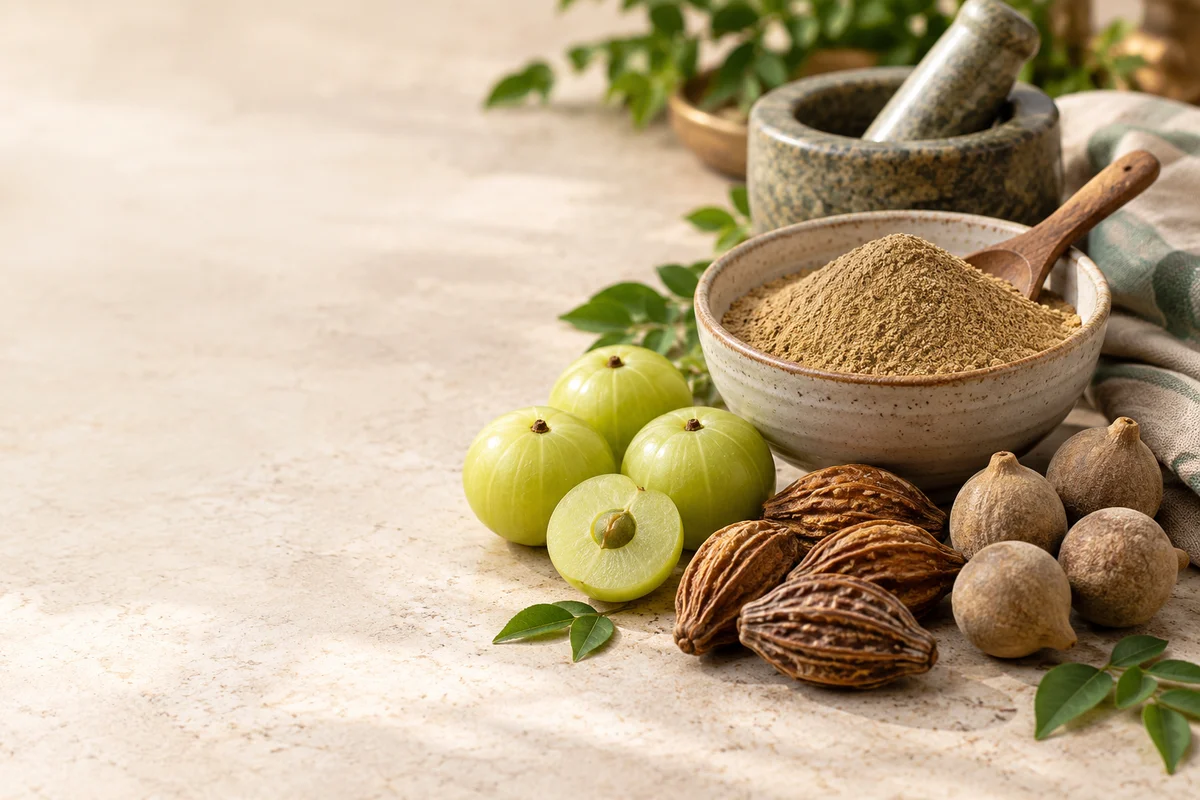
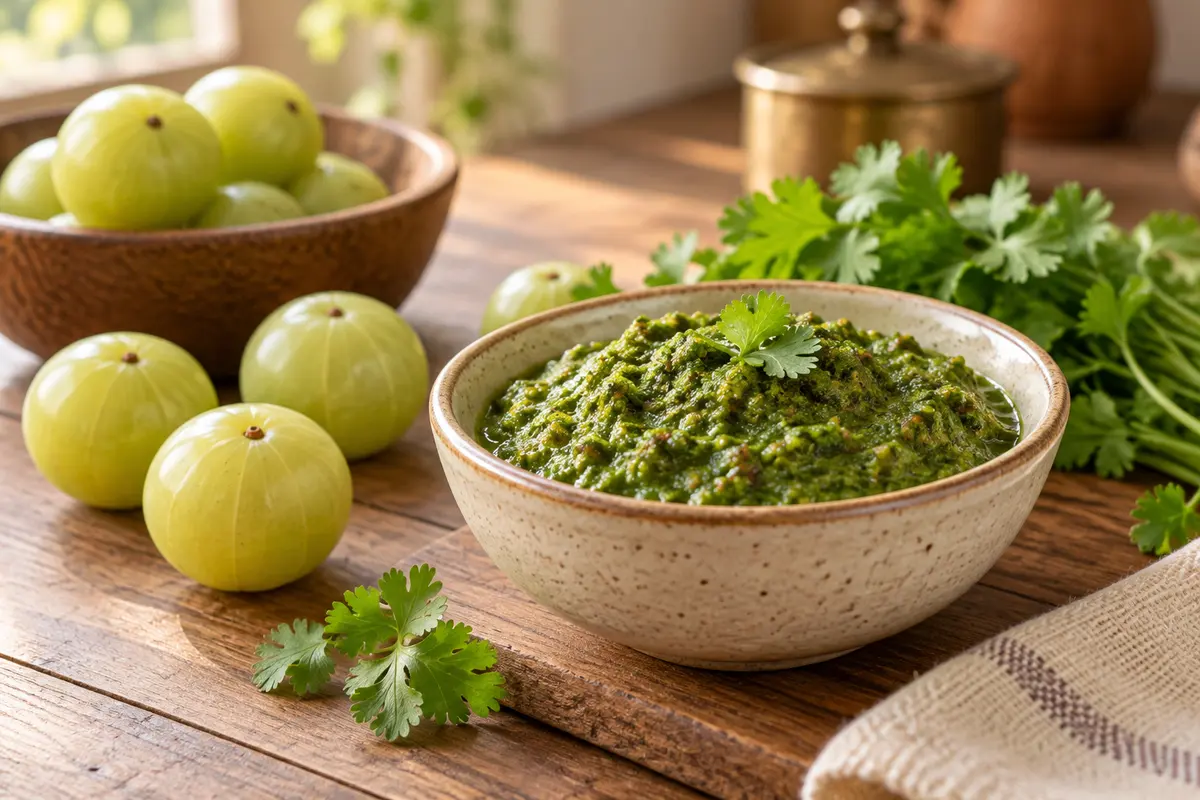
What is amla chutney? It is a condiment made by blending fresh amla with coriander, cumin and a little water. Amla, or Indian gooseberry, tastes sharp, sour and slightly astringent. A small spoonful adds contrast to dal, rice, roti or cooked vegetables. Serve as an accompaniment rather than a large standalone portion. This recipe needs no added sugar and offers a different option from candy, murabba or sweetened drinks.
Traditional food uses: amla has a prominent place in Indian food traditions and Ayurveda, used fresh, dried, pickled and in traditional preparations. These products differ. Fresh chutney, sweet preserve, dried powder and extract do not have identical ingredients or servings. Preparation matters when comparing them. Here the aim is a small, fresh condiment for an ordinary meal, not a medicinal formulation.
Without added sugar: amla's sourness often leads people to choose heavily sweetened products. Coriander and cumin make this a savoury option. Sweetener is a preference, not a requirement. Check packaged preparations rather than assuming all forms are equally sweet.
Meal variety: a small condiment changes a familiar plate without making another full dish. Use alongside varied food; a spoonful does not replace a serving of fruit, vegetables or other foods. Homemade preparation also lets you omit chilli, reduce salt and adjust water when ready-made chutneys are too spicy or salty.
Nutrients without exaggerated promises: amla is associated with vitamin C, but a homemade serving depends on the fruit, recipe and portion. No untested nutrient value is assigned to this chutney. Vitamin C supports normal immune function and helps absorption of iron from plant foods. This does not establish that a particular chutney prevents illness, corrects anaemia or creates visible skin changes.
Taste adjustments: if too sour, use less on the plate or add coriander. You need not make a sour food compulsory if you dislike it. If too thick, add water gradually; too much makes it thin. Leave chilli out initially if you prefer a mild taste because it cannot easily be removed after blending. Begin without salt and add after tasting. Finely chopping fruit helps a small blender process it. Change one ingredient at a time and taste again.
Comparing forms: check hygiene, salt, chilli and portion for chutney. Check ingredients, dilution instructions and sugar for juice. Check sweeteners and portion for candy or murabba. For powder or extract, consider intended use, quality and whether it is a supplement. Taking several forms together does not establish extra benefit.
The small batch below varies with fruit size and water. Start with the simple recipe and adjust after tasting. Serve separately rather than mixing into the entire meal so each person can choose how much sourness they enjoy. It is fine to prefer amla another way; chutney is an option, not a compulsory daily remedy.
Ingredients
- Two medium fresh amlas
- One small handful of fresh coriander
- ¼ teaspoon roasted cumin powder
- Two tablespoons drinking water, with more only if needed
- A little salt and a small piece of green chilli, both optional
How to prepare
- Wash hands and use clean utensils. Rinse amlas and coriander under running water; do not use soap or detergent.
- Remove damaged portions and tough coriander stems. Cut amlas into segments and discard central stones.
- Place fruit, coriander and cumin in a clean blender, then add water.
- Blend briefly, scrape down sides if needed and add a little water only if the mixture will not blend.
- Taste before adding optional salt or chilli. Transfer to a clean container and serve a small amount with food.
How to use
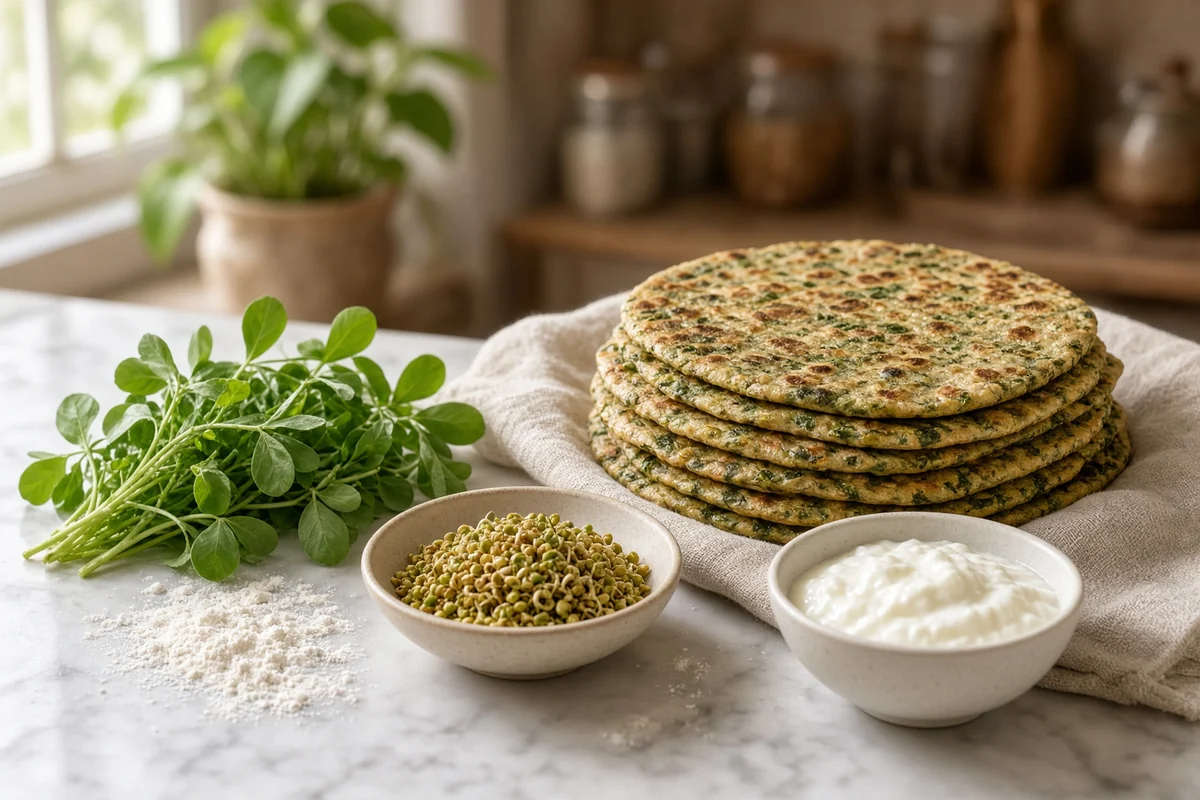
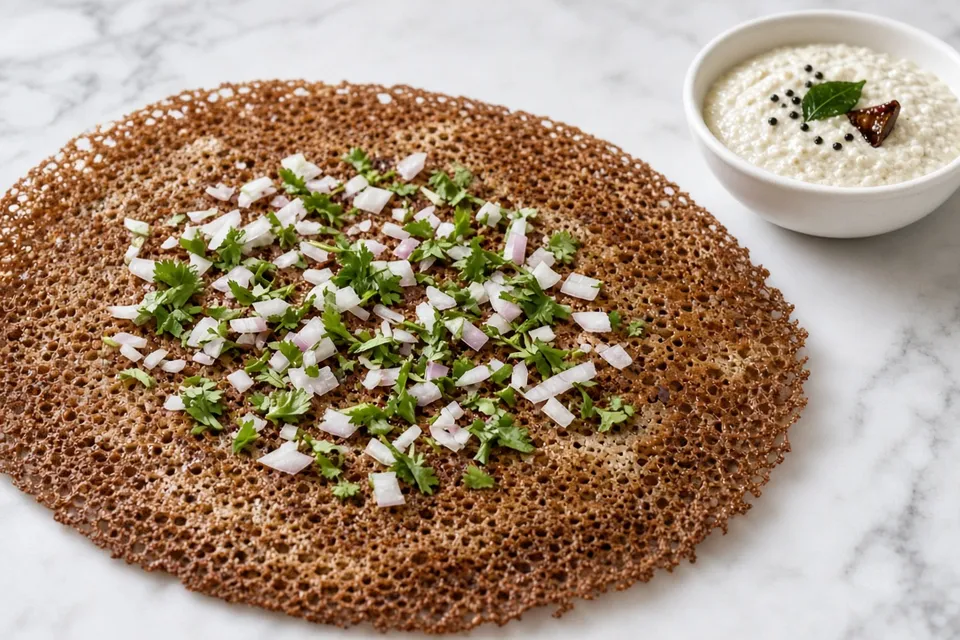
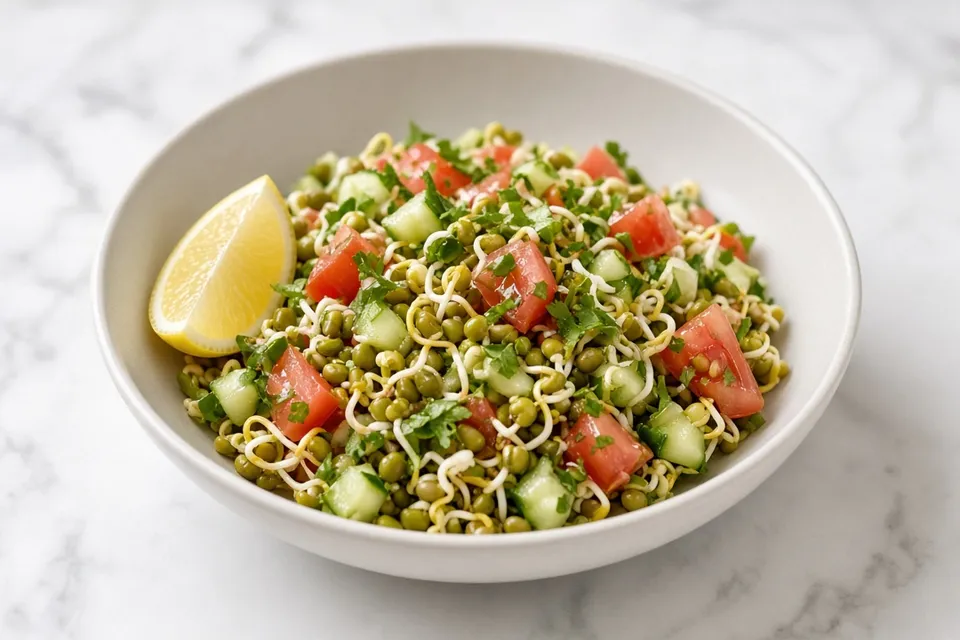
- Try a small spoonful with dal and rice, roti and cooked vegetables, moong khichdi, a vegetable sandwich or a homemade savoury pancake.
- Serve separately so everyone chooses the amount. Mixing into the whole meal can make sourness overwhelming.
- Use with a varied meal. No empty-stomach requirement or therapeutic daily dose is prescribed.
Helpful habits
- For a milder recipe, omit chilli and use more coriander rather than changing several ingredients at once.
- Make a small batch and refrigerate promptly in a clean, covered container at 4°C or below.
- Use a clean spoon each time, not one already used for eating.
- No fixed shelf life is promised for this untested household recipe; prefer freshly prepared chutney.
- Discard if mould, unusual smell or other spoilage appears. Do not taste questionable food to check it.
Precautions
- If sour or spicy foods worsen reflux or mouth irritation, omit chilli and use less chutney, or choose another accompaniment.
- Do not promote this as a cure for diabetes, hair loss, anaemia or skin conditions. Persistent symptoms need assessment.
- Check ingredients for personal allergies and use clean preparation surfaces.
Frequently asked questions
Must I eat it on an empty stomach?
- No. It is an accompaniment to food.
Can I omit coriander?
- Yes, but the flavour will be sharper. Adjust water carefully.
Is sugar necessary?
- No. This version is savoury.
Can I replace it with amla candy?
- You can choose another food, but ingredients and sugar content differ.
How much should I eat?
- Start with a small spoonful according to taste. No therapeutic daily dose is prescribed.
Prepared by: All Ayurvedics editorial team
No clinician review is recorded for this page. This is general information, not individual diagnosis or treatment advice.
Responsible site owner/editor: Manoj Singh. Editorial responsibility