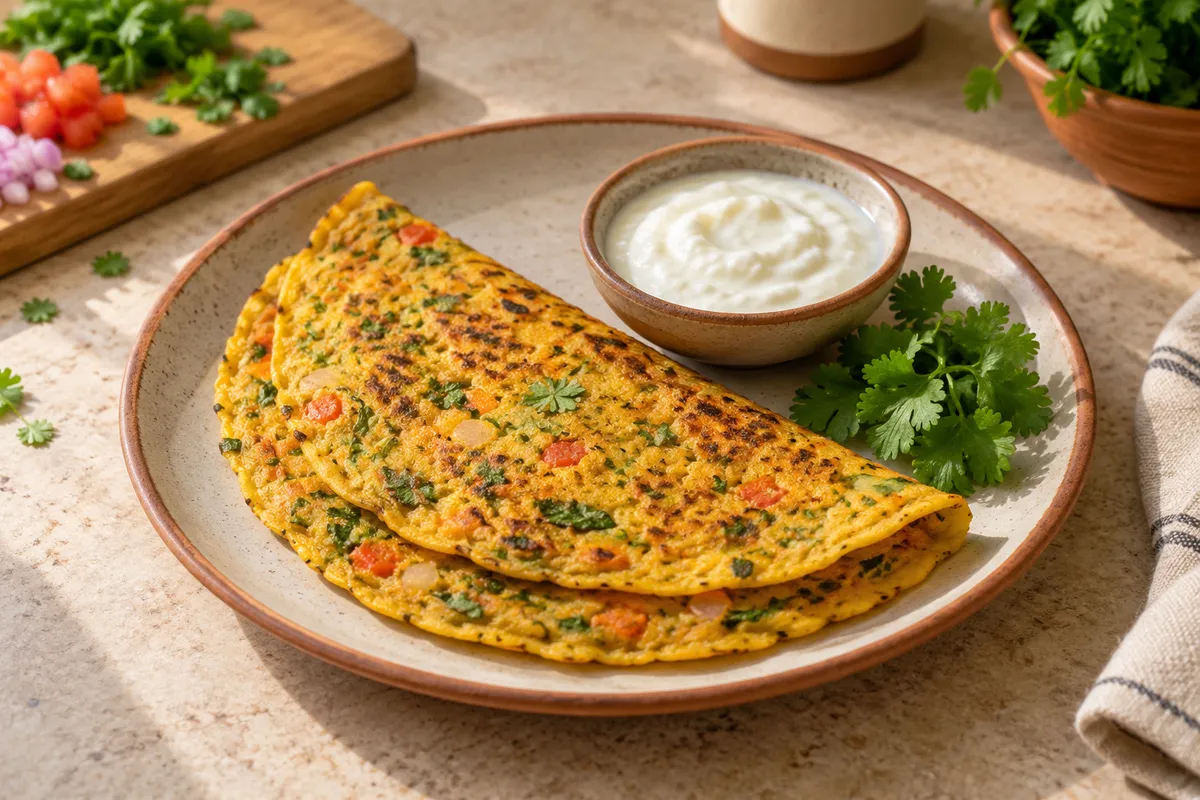
- vegetable poha
- thick poha method
- Indian breakfast
- poha texture
Vegetable Poha for a Balanced Indian Breakfast
A practical vegetable poha method with portion, protein pairing and food-safety guidance for a balanced Indian breakfast.
Important: this remedy is only a supportive home measure. Keep taking any medicine your doctor has prescribed, monitor your readings, and consult your doctor before adding anything new.
vegetable poha healthy breakfast: method, benefits and precautions
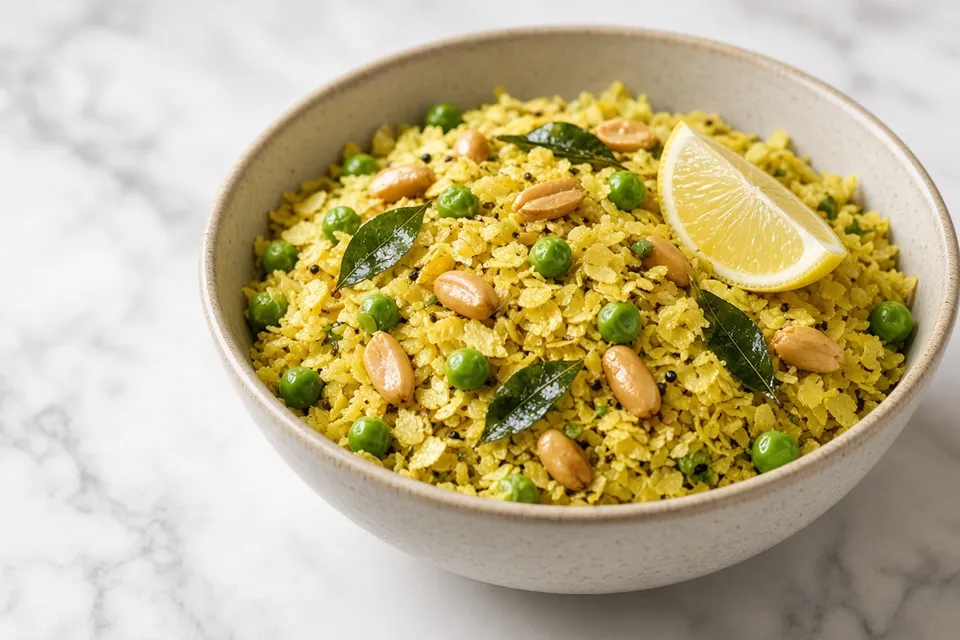
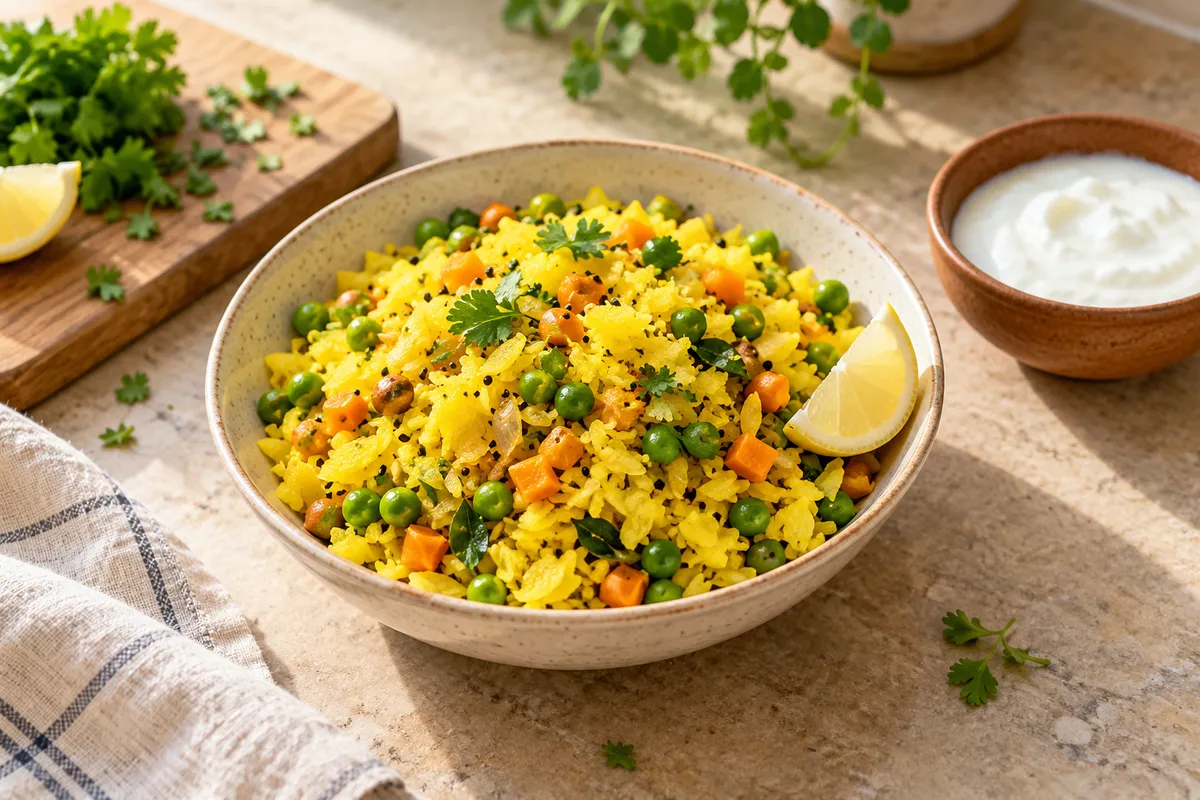
Vegetable poha is a quick flattened-rice preparation whose texture depends more on handling than on an elaborate spice list. This version uses thick poha. Thin flakes can soften almost immediately and may turn pasty under the same rinsing method. Check the packet before measuring, and keep the dry and wet stages separate so you can see what is happening.
Rinse the thick flakes briefly and let them drain. Press a flake between your fingers: the aim is pliable rather than a hard centre surrounded by soggy edges. If still hard after resting, sprinkle a little water instead of returning the whole batch to a deep soak. If too wet, give it time to drain rather than squeezing it into a solid ball.
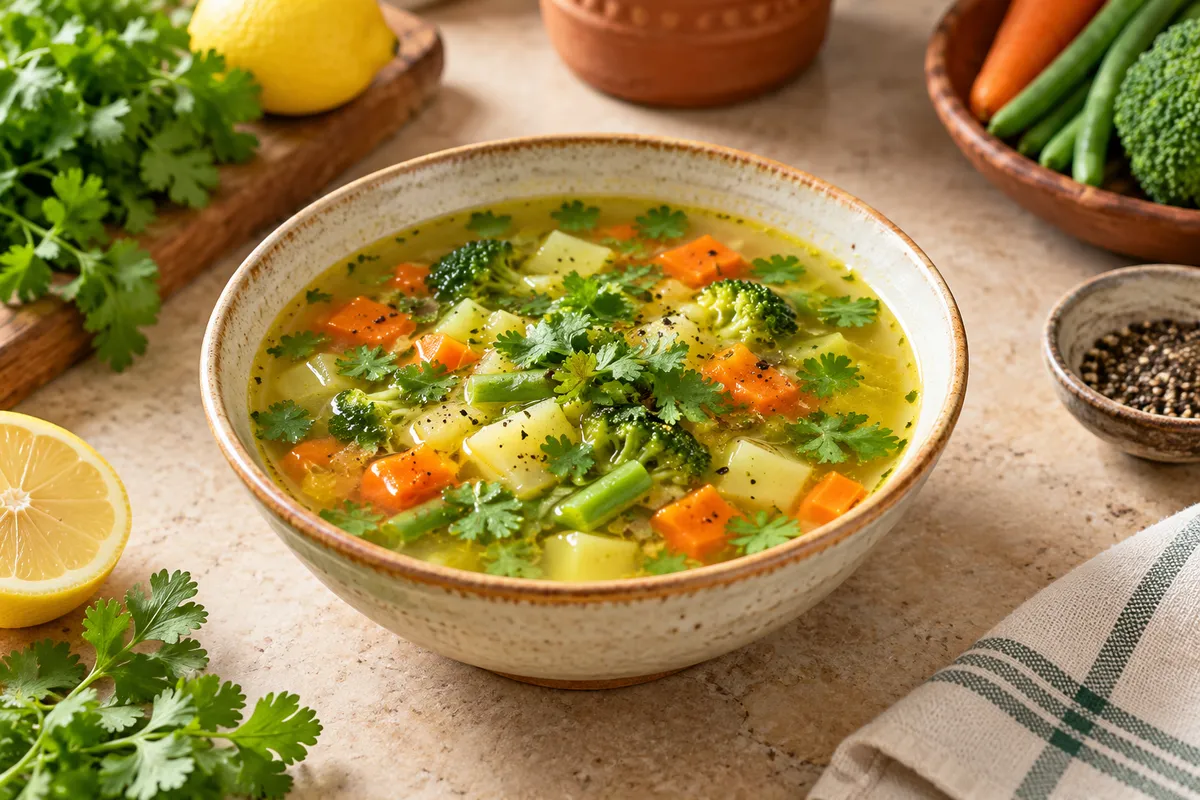
Prepare vegetables before adding the poha. Small similar-sized pieces cook more evenly; a large raw carrot cube will not reliably soften during the short final mixing stage. Cook the vegetables to the texture you want, then fold in the softened flakes gently. Repeated vigorous stirring breaks them. Heat through, check seasoning and remove from the heat before the base dries and catches.
Choose the rest of breakfast deliberately. A small garnish of peanuts is not the same as a substantial accompaniment, and peanut allergy needs a different choice. Curd, a suitable dal dish or another food can change the overall meal. Lemon and herbs are flavour options; they do not turn flattened rice into a diabetes or weight-loss treatment.
For a second attempt, write down the flake type, brief rinse and resting result. That helps solve hard or sticky poha more directly than adding more oil. Serve freshly prepared portions and handle leftovers as cooked food. The linked food guidance provides nutrition and hygiene context, not a laboratory analysis or kitchen-test claim for this recipe.
Ingredients
- 1 cup thick poha, rinsed and drained
- 1 cup mixed vegetables
- 1 tablespoon peanuts or another suitable protein side
How to prepare
- Rinse briefly without soaking into a paste.
- Cook vegetables and seasoning until tender.
- Fold in poha, heat through and serve fresh.
How to use
- Use a small portion or short session the first time.
- Change one thing at a time and note your response.
- Continue normal meals, hydration and prescribed treatment.
Helpful habits
- Use thick flakes for this rinsing method.
- Test softness after draining before adding more water.
- Cook hard vegetables before folding in poha.
- Keep an allergy-safe accompaniment separate from the garnish.
Precautions
- Use allergy-safe toppings and refrigerate leftovers promptly; discard food left warm for several hours.
- Ask a clinician first if you have allergies, are pregnant, have a long-term condition or take regular medicines.
- Seek urgent care for severe pain, breathing difficulty, fainting, repeated vomiting, bleeding or rapidly worsening symptoms.
Frequently asked questions
Why is my poha mushy?
- Thin flakes or a long soak may absorb too much water. Check the product and use a brief rinse.
Can I cook raw carrot with the final flakes?
- Large hard pieces need earlier cooking; the final stage is short.
Does more oil fix a hard centre?
- No. Check hydration of the flakes rather than adding oil.
Prepared by: All Ayurvedics editorial team
No clinician review is recorded for this page. This is general information, not individual diagnosis or treatment advice.
Responsible site owner/editor: Manoj Singh. Editorial responsibility