Light pej gruel with shatavari: Traditional Home Method
Light pej gruel with shatavari — a traditional Ayurvedic light herbal gruel / pej. It is a thin convalescent-style kitchen gruel. Consult a qualified Ayurvedic doctor (BAMS) before preparing or taking this at home. It is not a substitute for medical care. Avoid self-medication in pregnancy, while breastfeeding, in children, or with chronic disease unless a doctor advises.
Important: this remedy is only a supportive home measure. Keep taking any medicine your doctor has prescribed, monitor your readings, and consult your doctor before adding anything new.
Why families prepare shatavari this way
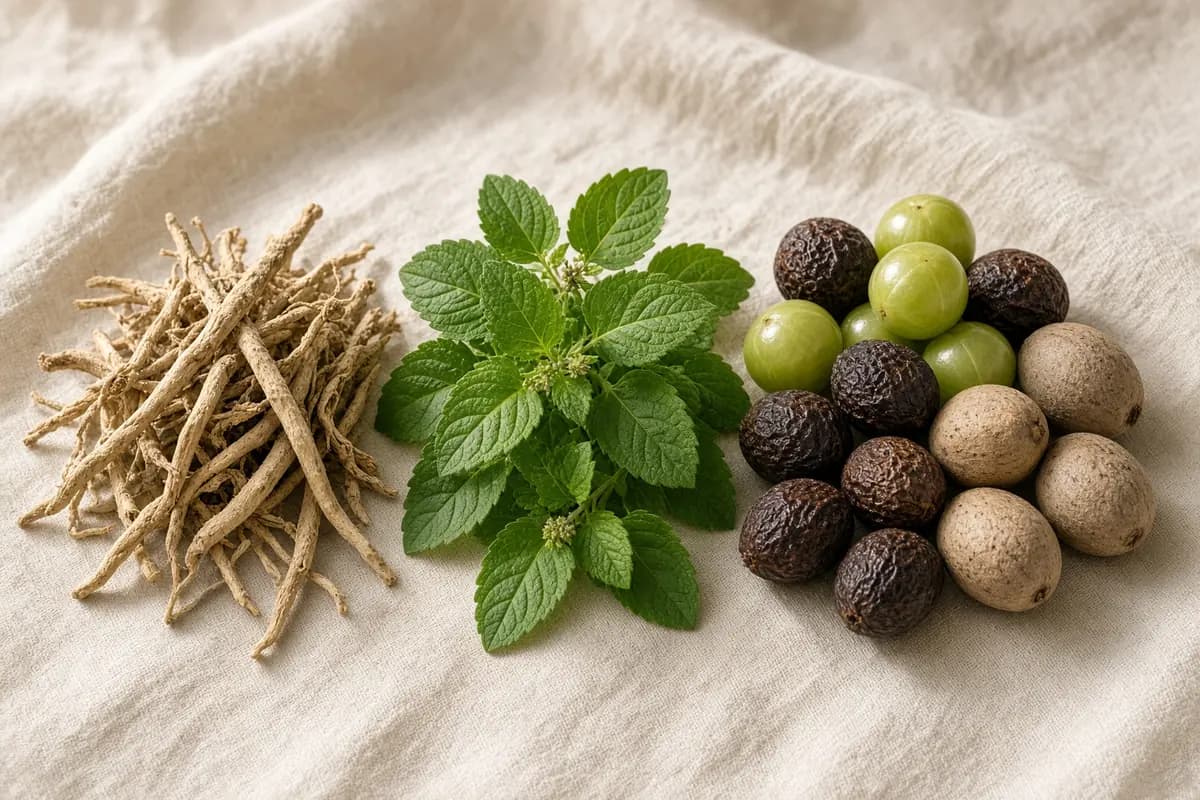
An asparagus root traditionally linked with women's wellness and milk-based preparations. In classical and household practice, shatavari (root powder) appears in light herbal gruel / pej preparations.
This page shows a safe home-scale method for light pej gruel with shatavari. Traditional benefit language says it is a thin convalescent-style kitchen gruel. Evidence in modern trials is often limited, so treat expectations gently.
Consult a qualified Ayurvedic doctor (BAMS) before preparing or taking this at home. It is not a substitute for medical care. Avoid self-medication in pregnancy, while breastfeeding, in children, or with chronic disease unless a doctor advises. Skip rasa shastra, bhasma and heavy-metal alchemy entirely—this site only covers kitchen-scale herbal preparations.
Ingredients
- 2 tbsp washed rice, moong or oats
- ½–1 tsp shatavari (root powder) if using a spice/herb
- 3–4 cups water
- Pinch of cumin or ginger optional
- Serve thin, not thick
How to prepare
- Confirm dose with a BAMS doctor first—this herb is used in tiny amounts.
- Wash the grain; add plenty of water in a clean pot.
- Simmer until soft and thin; stir in the herb/spice near the end if using.
- Serve warm and plain; do not make it thick like a heavy meal.
How to use
- Take only the small home-scale amount described—never megadoses.
- Prefer short courses of a few days unless a BAMS doctor sets a longer plan.
- Keep taking prescribed medicines; this does not replace medical care.
Helpful habits
- Prefer unsweetened root powder.
- Keep utensils clean and label homemade oils or churnas with the date.
- If you buy powder, choose a batch-numbered product that names the plant part.
Precautions
- Consult a qualified Ayurvedic doctor (BAMS) before preparing or taking this at home. It is not a substitute for medical care. Avoid self-medication in pregnancy, while breastfeeding, in children, or with chronic disease unless a doctor advises.
- Avoid with hormone-sensitive conditions unless a doctor agrees.
- If you take regular medicines or have a long-term condition, check with your physician and a BAMS doctor first.
Frequently asked questions
Can I make this light herbal gruel / pej every day?
- Usually no. Keep home use short unless a BAMS doctor designs a longer plan for shatavari. Daily megadoses are not traditional kitchen practice.
Is this safe in pregnancy or for children?
- Do not self-medicate in pregnancy, while breastfeeding, or in children unless a physician and a BAMS doctor both agree. Many herbs that are fine in food amounts are not fine as concentrated preparations.
Does this cure disease?
- No. It is a traditional home preparation with traditional benefit language only. It is not a substitute for diagnosis or prescribed treatment.