Original shilajit: how to check labels and batch reports
Why home tests cannot prove shilajit purity, and which label details and batch documents to ask for instead.
Published 26 September 2026 · 3 min read
Prepared by: All Ayurvedics editorial team
No clinician review is recorded for this page. This is general information, not individual diagnosis or treatment advice.
Responsible site owner/editor: Manoj Singh. Editorial responsibility
Sources
Because shilajit is valuable, the market has many low-quality and mixed products. People often search "original shilajit kaise pehchane" or "asli shilajit ki pehchan". Home tests can help you spot obvious problems, but no home test can prove purity. Here is what to check, in order of importance.
1. Check the label first (most important)
A genuine, legally sold Ayurvedic product in India should clearly show:
- Manufacturer's name and full address
- Manufacturing licence number (for example, our jar shows Mfg. Lic. No. A-4750/19)
- Batch number, manufacturing date and expiry / best-before date
- Net quantity (for example 10 g) and MRP
- Dose and cautions
If a product has no licence number, no batch details or no address, avoid it. This matters far more than any home test.
2. Buy from a trusted seller
Loose "Himalayan shilajit" sold by weight without a label, or through anonymous ads, is risky. Raw or unpurified shilajit may contain impurities, including heavy metals, which is why purified, labelled products from licensed makers are recommended.
3. Understand the limits of home checks
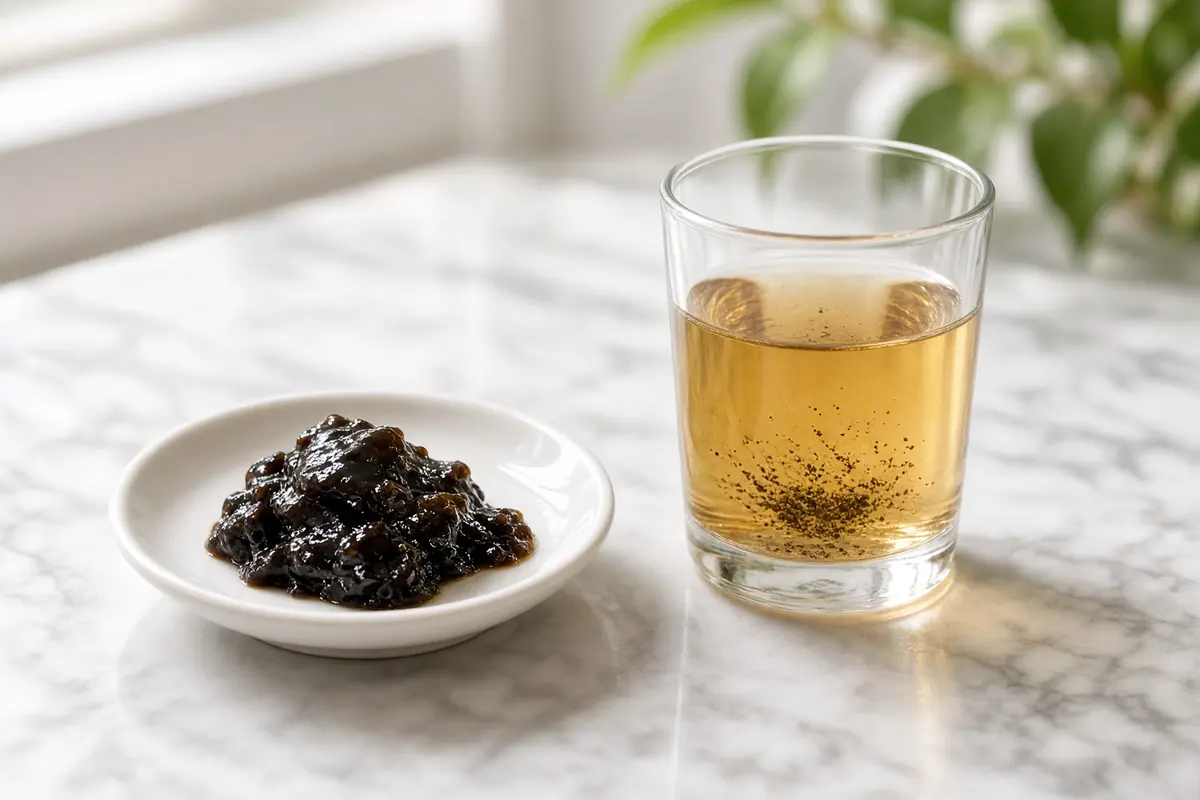
Colour, texture, smell and how a sample dissolves in water vary by source and processing. None of these observations can verify identity, purity or heavy-metal levels. Do not taste an unverified sample as a test. Ask for a batch-matched laboratory report with contaminant results; if one is unavailable, you cannot confirm the batch's purity at home.
Tests that are not reliable
You may see advice to burn shilajit with a flame or drop it into cold water and watch for "threads". These tests are unreliable and burning a product can be unsafe. A batch-specific lab report and a proper label tell you much more; match the report's batch number to the jar.
Resin, capsule or powder — which is easiest to check?
Neither resin, capsules nor powder can be authenticated by sight at home. Check the label, seller and batch documentation for any form. See shilajit resin vs capsule vs powder.
Our product
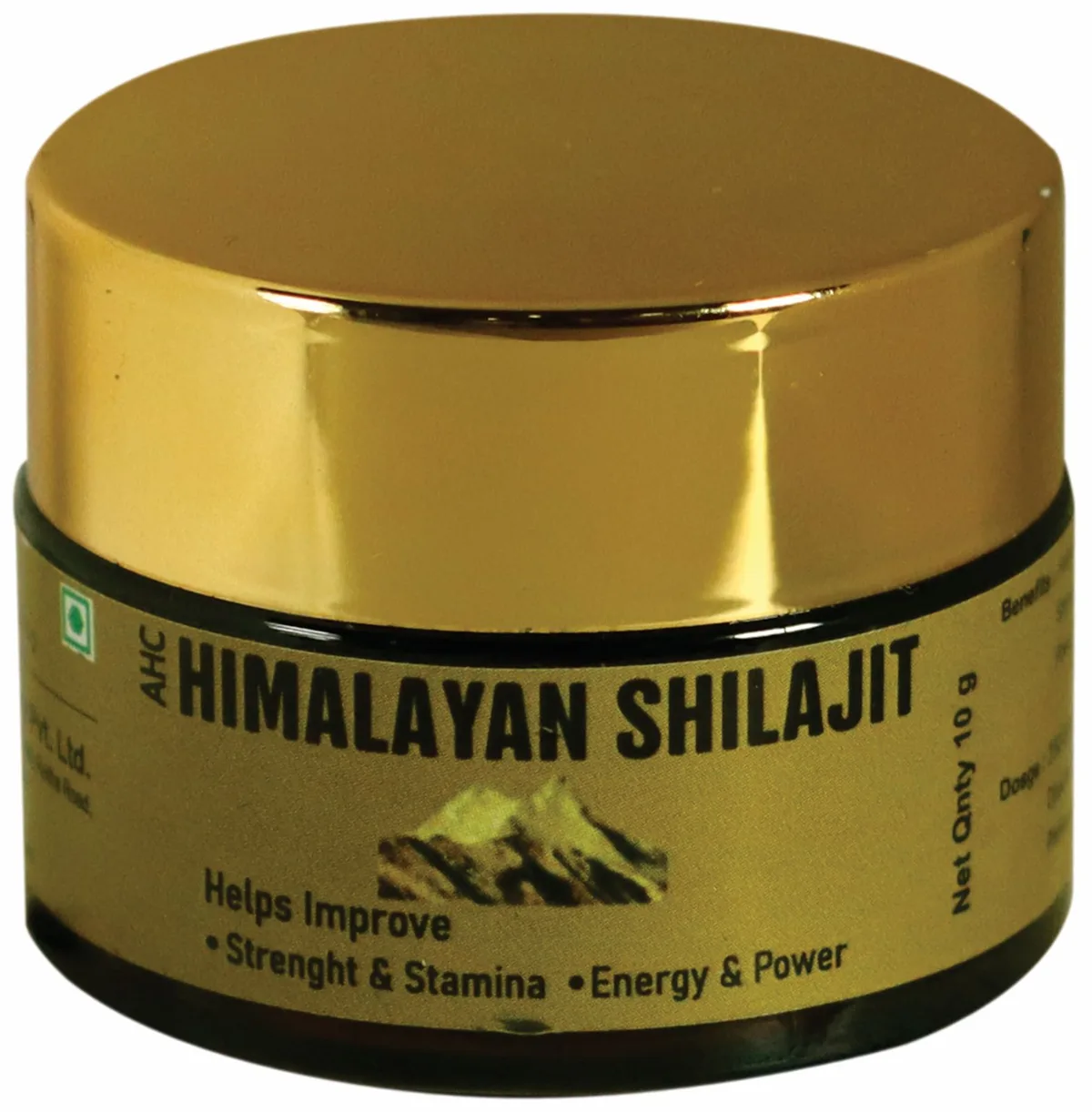
Adamya Herbals Himalayan Shilajit Resin, 10 g comes in a sealed amber glass jar with the manufacturer's licence number (A-4750/19), dose and cautions on the label. The price is ₹399 (MRP ₹799). Order here.
Doctor's note
Even genuine shilajit is not for everyone. Children under 12, pregnant and breastfeeding women, and people with a heart condition, gout or high uric acid, iron overload, a chronic illness or on regular medicines should consult a doctor first. See shilajit side effects and our shilajit guide.
Frequently asked questions
How can I check if shilajit is original at home?
- You cannot prove authenticity at home. Check the sealed pack's manufacturer, batch details and licence number, and ask for a laboratory report matching that batch. Appearance and water tests are only rough observations.
Does pure shilajit dissolve completely in water?
- Dissolving in water does not prove identity or purity and cannot rule out contaminants. Check the batch report instead.
Is the flame (burn) test for shilajit reliable?
- No. Burn tests are not reliable and can be unsafe. Check the label, licence number and seller instead.
What should an original shilajit label show?
- The manufacturer's name and address, manufacturing licence number, batch number, manufacturing and expiry dates, net quantity, MRP, dose and cautions.
Shilajit guides
Traditional benefits, label directions, batch checks, forms, precautions and price — in plain language.
- Shilajit benefits: what Ayurveda traditionally uses it forWhat shilajit is, the benefits Ayurveda traditionally describes — strength, stamina, energy and vitality — and the honest limits of what a supplement can do.
- How to take shilajit resin: dose, timing and the right wayA step-by-step guide to taking shilajit resin — how much, when, with water or milk, how long to continue, and the common mistakes to avoid.
- Shilajit resin vs capsule vs powder: which form should you choose?An honest comparison of shilajit resin, capsules, powder and gummies — processing, dosing, convenience and what to check on each label.
- Shilajit side effects: precautions and who should avoid itPossible side effects of shilajit, who should not take it or should check with a doctor first, and simple ways to use it more safely.
- Shilajit price in India: how to compare and what to look forHow to compare shilajit prices fairly — per gram and per day — why very cheap shilajit is a warning sign, and what our 10 g resin costs.
Related remedies
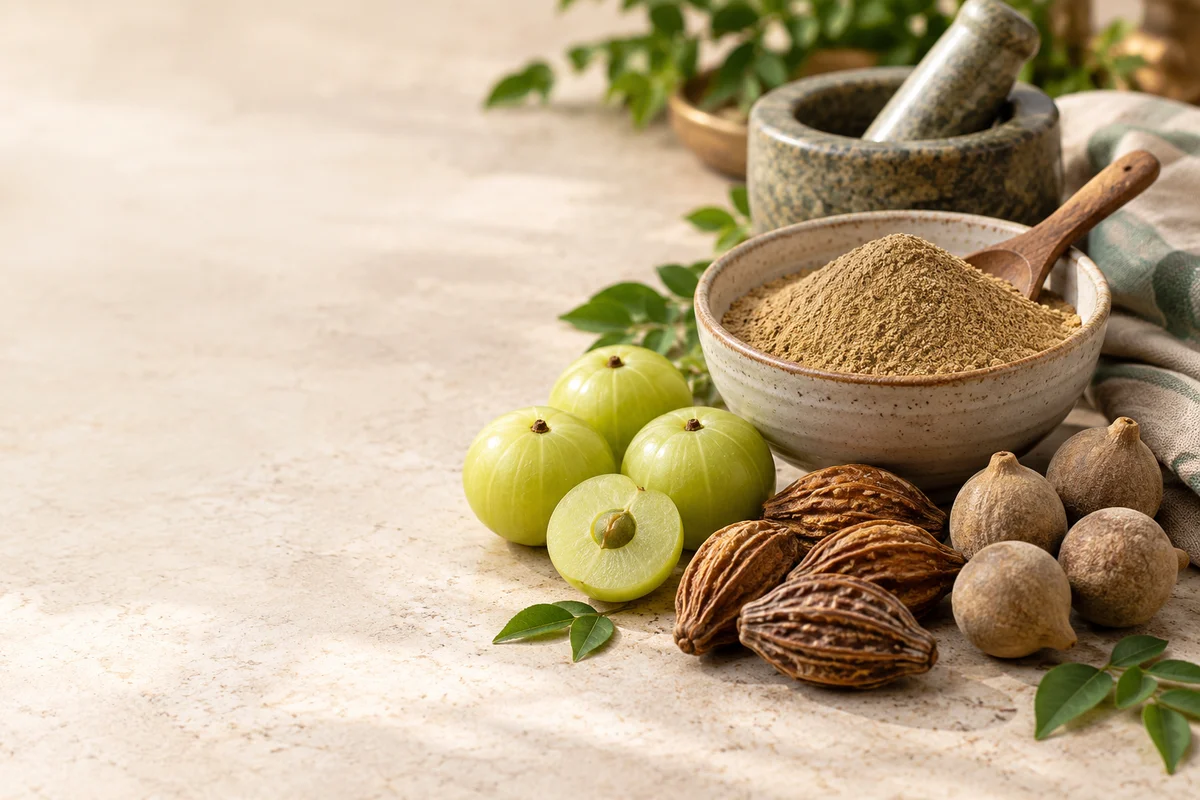 Triphala: Benefits, Traditional Uses and Home PreparationTriphala is a traditional Ayurvedic blend of amla, harad and baheda. Explore its uses, what research can and cannot establish, and how the powder is mixed at home. The recipe quantities describe a batch, not a daily dose.
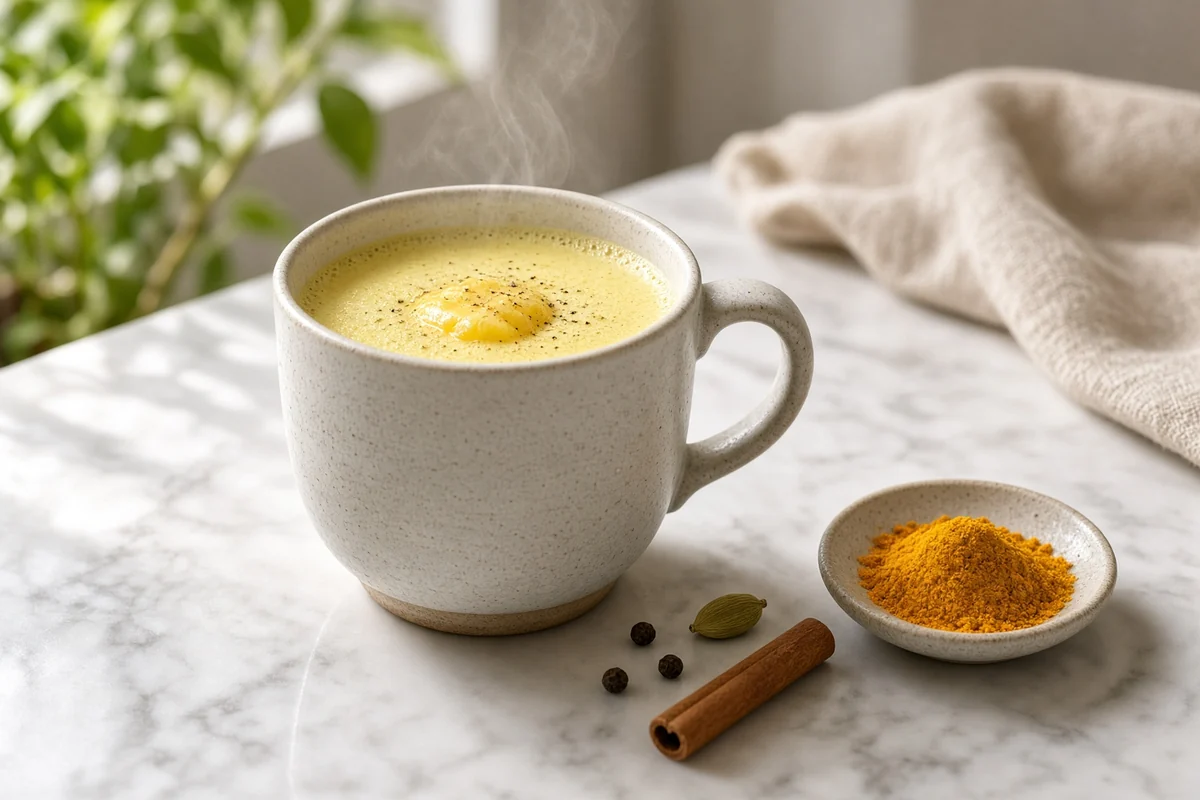 Turmeric Milk: Traditional Uses, Benefits, Recipe and SafetyA guide to preparing haldi doodh, choosing suitable ingredients and understanding the difference between a kitchen spice and a concentrated supplement.
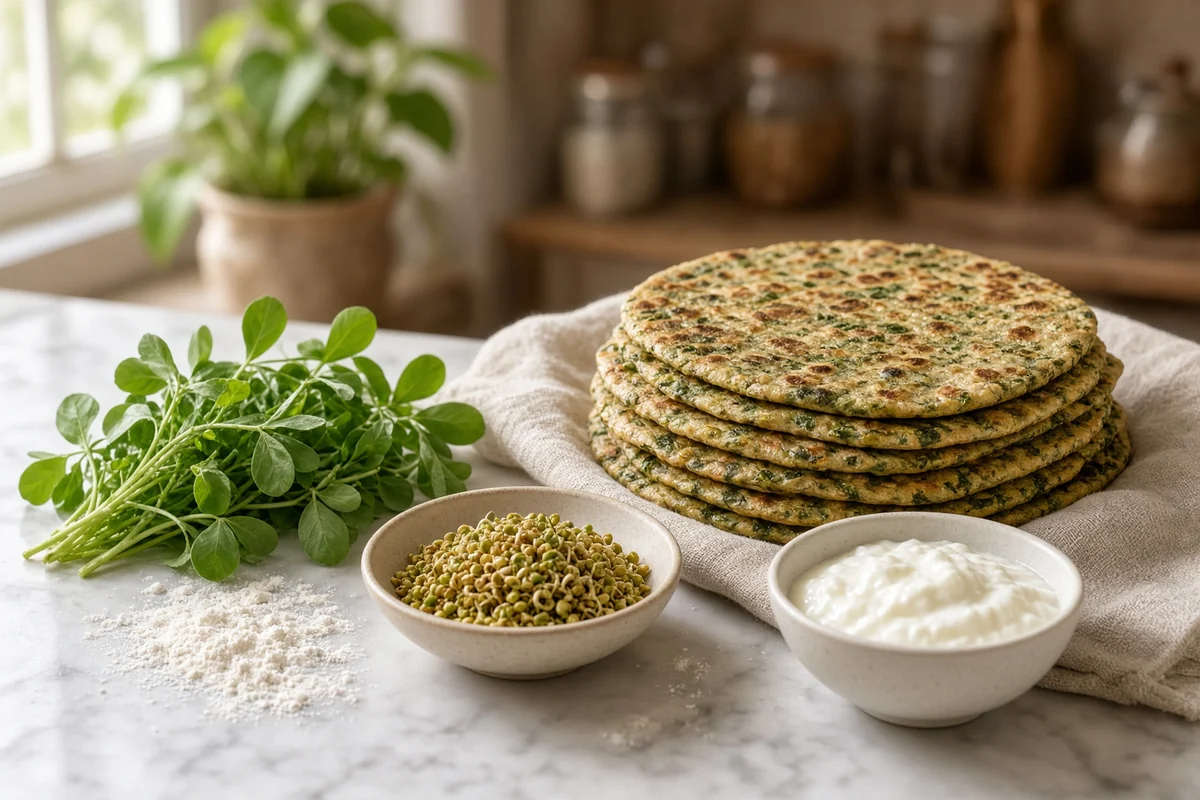 Methi Benefits and Uses: How to Include Fenugreek in Everyday FoodA practical guide to using fresh methi, methi seeds and kasuri methi in home cooking, with a moong dal recipe and clear limits on medicinal claims.
Related products
Get All Ayurvedics updates
Occasional recipes, kitchen notes and site updates in English or Hindi. Email us from your subscribed address to request removal.