Shilajit price in India: how to compare and what to look for
How to compare shilajit prices fairly — per gram and per day — why very cheap shilajit is a warning sign, and what our 10 g resin costs.
Published 26 September 2026 · 3 min read
"Shilajit price" is one of the most searched shilajit questions. Prices vary widely between brands, forms and pack sizes, so a price tag alone tells you little. This guide shows how to compare fairly and what to check before you pay.
Compare shilajit price per gram, not per pack
Pack sizes differ (10 g, 15 g, 20 g, 50 g), so always work out the price per gram:
- Price per gram = pack price ÷ grams in the pack
For example, our 10 g jar at ₹399 works out to about ₹40 per gram.
Then compare cost per day
What you actually spend depends on your daily dose. At the usual label dose of 250–500 mg a day:
- A 10 g jar lasts about 20 to 40 days (roughly 3 to 6 weeks).
- At ₹399, that is about ₹10 to ₹20 per day.
For capsules, compare the amount of shilajit per capsule, not just the number of capsules.
Shilajit 10 gram price: what a fair price should include
A fair price should come with:
- A licensed manufacturer (licence number on the label)
- Purified shilajit, not raw rock resin
- Batch number, manufacturing and expiry dates
- Net quantity, MRP, dose and cautions
- A seller you can contact
Why very cheap shilajit is a warning sign
Proper collection, purification and packing cost money. Shilajit that is sold loose by the kilo without a label, or at a price far below other licensed brands, may be raw, mixed or impure. Raw shilajit can contain impurities, including heavy metals. Saving a little is not worth that risk. See how to identify original shilajit.
Does a higher price mean better shilajit?
Not necessarily. Fancy packaging, gold flakes or celebrity endorsements add cost without telling you anything about quality. Judge by the label, the form and the seller, then compare the price per gram.
Resin, capsule or gummy — does the form change the price?
Yes. Capsules and gummies include processing and other ingredients, so compare the shilajit content, not the pack price. See shilajit resin vs capsule vs powder.
Our price
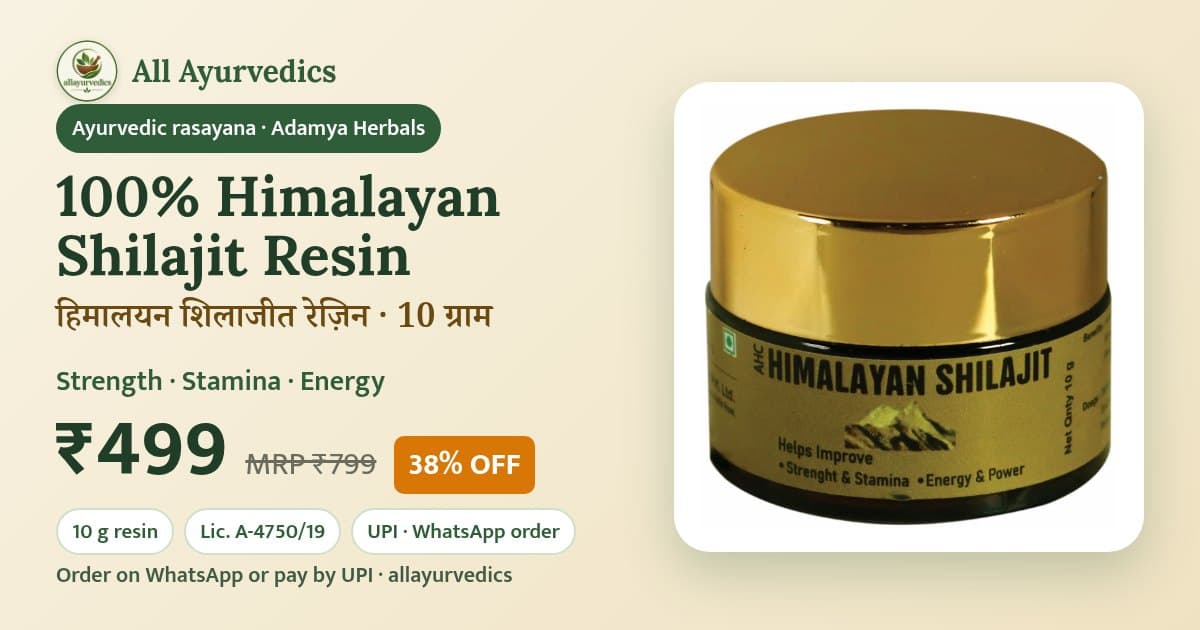
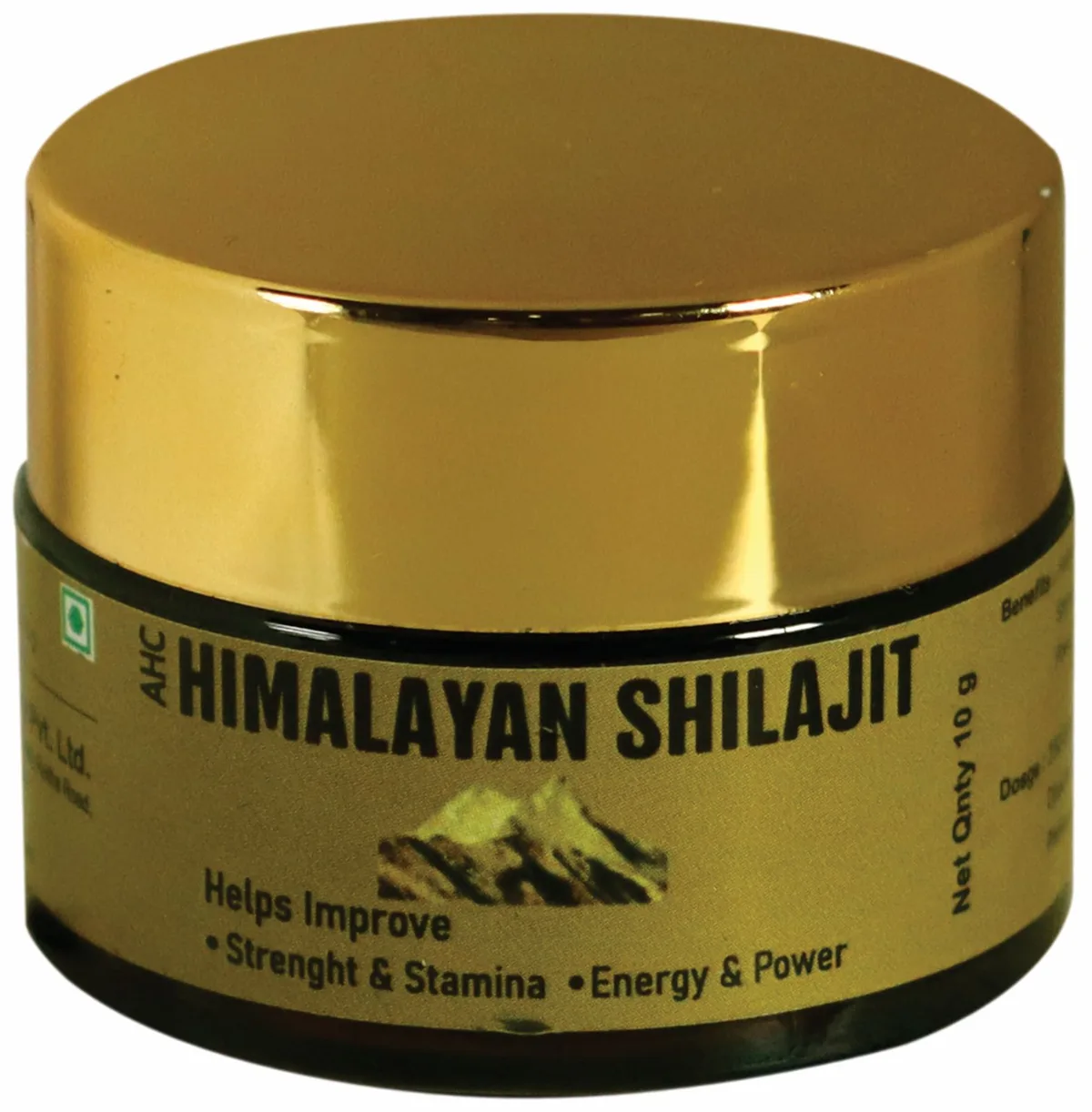
Adamya Herbals Himalayan Shilajit Resin, 10 g is ₹399 against an MRP of ₹799 (50% off). Pay by UPI or order on WhatsApp from our shilajit order page.
Doctor's note
Price aside, shilajit is not for everyone. Children under 12, pregnant and breastfeeding women, and anyone with a heart condition, gout or high uric acid, iron overload, a chronic illness or on regular medicines should consult a doctor before buying. See shilajit side effects and our shilajit guide.
Frequently asked questions
What is the price of 10 gram shilajit?
- Prices vary by brand and form. Our Adamya Herbals Himalayan shilajit resin 10 g jar is ₹399 (MRP ₹799). Compare products by price per gram and check the label, not just the pack price.
How long does 10 g of shilajit last?
- At the usual label dose of 250–500 mg a day, a 10 g jar lasts about 20 to 40 days (roughly 3 to 6 weeks).
Why is some shilajit very cheap?
- Very cheap or loose shilajit may be raw, mixed or unpurified, and raw shilajit can contain impurities. Choose labelled products from licensed manufacturers.
How do I compare shilajit prices?
- Divide the pack price by the grams to get price per gram, then work out the cost per day at your dose. For capsules, compare the amount of shilajit per capsule.
Shilajit guides
Benefits, how to take it, pure vs fake, forms, side effects and price — in plain language.
- Shilajit benefits: what Ayurveda traditionally uses it forWhat shilajit is, the benefits Ayurveda traditionally describes — strength, stamina, energy and vitality — and the honest limits of what a supplement can do.
- How to take shilajit resin: dose, timing and the right wayA step-by-step guide to taking shilajit resin — how much, when, with water or milk, how long to continue, and the common mistakes to avoid.
- How to identify original (pure) shilajit: home checks and label checksSimple home checks for pure shilajit resin, why they are only rough guides, and the label and seller checks that matter most.
- Shilajit resin vs capsule vs powder: which form should you choose?An honest comparison of shilajit resin, capsules, powder and gummies — processing, dosing, convenience and what to check on each label.
- Shilajit side effects: precautions and who should avoid itPossible side effects of shilajit, who should not take it or should check with a doctor first, and simple ways to use it more safely.
Related remedies
 Haldi (turmeric): getting the most from India's golden spiceTurmeric colours nearly every Indian dal and sabzi. Its active compound, curcumin, has anti-inflammatory and antioxidant properties, but it's poorly absorbed on its own. Cooking it in a little fat with black pepper, and using it daily in food, is the traditional — and smartest — approach.
 Night-time leg cramps: stretch, warm oil and a look at your dietA sudden, painful knot in the calf that jolts you awake is a muscle cramp. Stretching the calf, massaging with warm oil, staying hydrated and eating mineral-rich foods like bananas, curd and leafy greens can make them rarer.
 Giloy (guduchi): how it's used, a simple kadha and who should avoid itGiloy, the heart-leaved climber called guduchi or amrita in Ayurveda, became a household name during the pandemic. Traditionally it's used for recurring fevers, low immunity and digestion. Here's how to use it sensibly in a mild decoction, and why it isn't for everyone.
Related products
Get a weekly dose of Ayurveda
One seasonal tip, one remedy and one simple habit — every week, in English or Hindi. No spam, unsubscribe any time.