Immunity2 min
Chewing Five Fresh Tulsi Leaves in the Morning
Five washed tulsi leaves chewed slowly with a sip of water in the morning, a simple daily ritual from many Indian homes.
Why tulsi is used this way
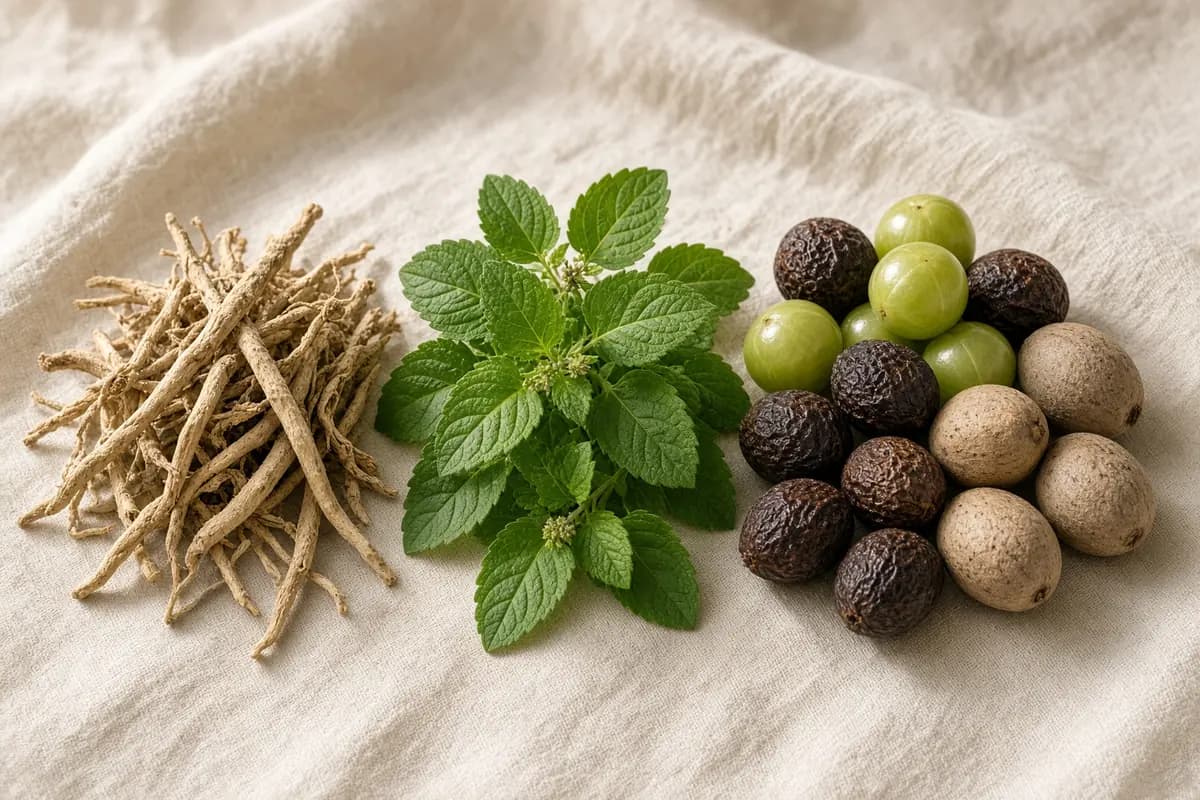
Tulsi, or holy basil, grows in a pot in many Indian courtyards. Ayurveda describes it as warming and light, and families use a few leaves in tea, kadha and morning rituals.
Many families pick a few tulsi leaves from the courtyard plant each morning. Tulsi has been studied for stress and metabolic health in small trials. Some families swallow the leaves instead of chewing them, believing chewing harms the teeth; there is no good evidence for that, but rinsing your mouth afterwards is still sensible.
Ingredients
- 5 fresh tulsi leaves
- A glass of water
How to prepare
- Pick and wash the leaves well.
How to use
- Chew slowly or swallow with water on an empty stomach.
- Rinse your mouth afterwards.
Helpful habits
- Pick fresh leaves from a clean home plant and rinse them well.
Precautions
- Avoid if you are on blood thinners or planning a pregnancy, unless your doctor agrees.
- Use a few leaves, not handfuls; it is warming.
- Check with a doctor if you take blood thinners or are planning a pregnancy.
- Stop if you notice itching, rash, stomach upset or any other discomfort.
Frequently asked questions
Is it true tulsi damages teeth?
- There is no good evidence; rinsing after is still a good habit.
Can I use dried leaves?
- Fresh is best for chewing; use dried ones in tea.
Is dried tulsi as good as fresh?
- Dried leaves work for tea; use a little less as they are concentrated.