Few-leaf tulsi kids kadha caution: Traditional Home Method
Few-leaf tulsi kids kadha caution — a traditional Ayurvedic kadha (herbal decoction). It is traditionally paediatric advice before any herb kadha. Consult a qualified Ayurvedic doctor (BAMS) before preparing or taking this at home. It is not a substitute for medical care. Avoid self-medication in pregnancy, while breastfeeding, in children, or with chronic disease unless a doctor advises.
Important: this remedy is only a supportive home measure. Keep taking any medicine your doctor has prescribed, monitor your readings, and consult your doctor before adding anything new.
What to know before trying tulsi
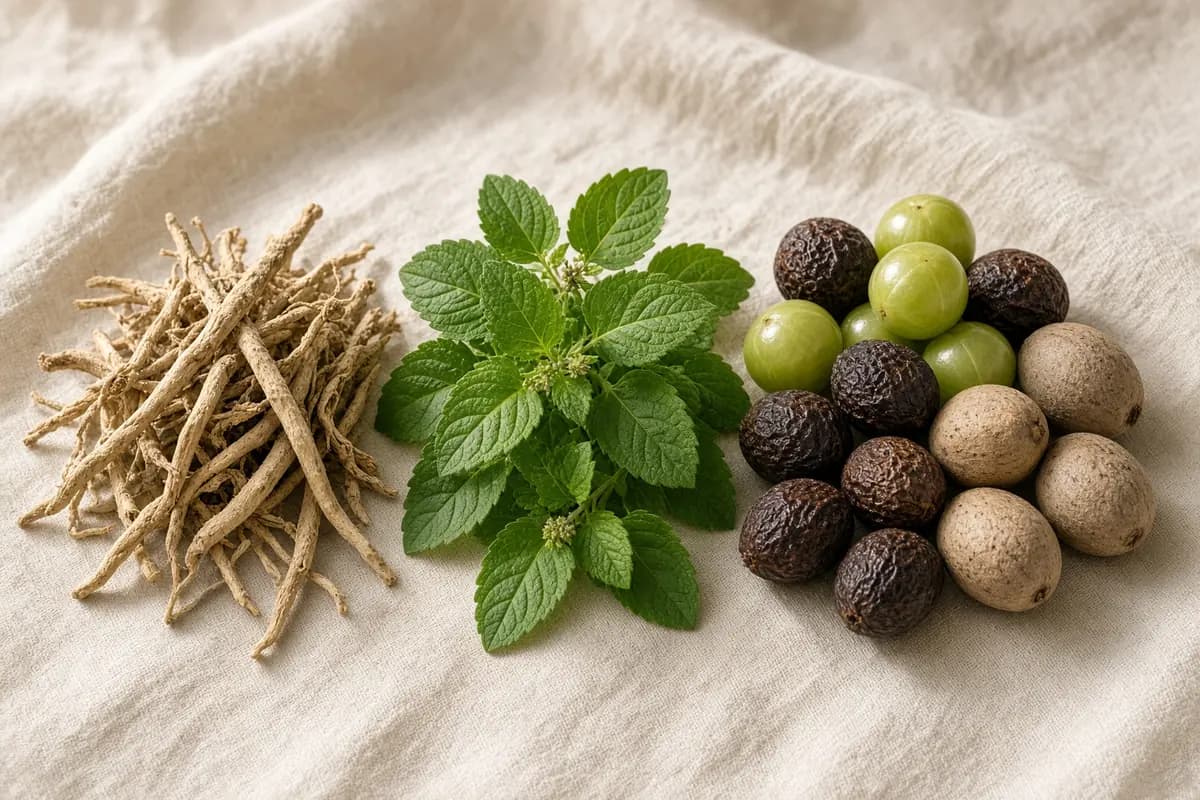
Holy basil used in kadhas, teas and morning rituals. In classical and household practice, tulsi (fresh or dried leaves) appears in kadha (herbal decoction) preparations.
This page shows a safe home-scale method for few-leaf tulsi kids kadha caution. Traditional benefit language says it is traditionally paediatric advice before any herb kadha. Evidence in modern trials is often limited, so treat expectations gently.
Consult a qualified Ayurvedic doctor (BAMS) before preparing or taking this at home. It is not a substitute for medical care. Avoid self-medication in pregnancy, while breastfeeding, in children, or with chronic disease unless a doctor advises. Skip rasa shastra, bhasma and heavy-metal alchemy entirely—this site only covers kitchen-scale herbal preparations.
Ingredients
- 1 tsp tulsi (fresh or dried leaves) or a few pieces as directed below
- 2 cups water
- Optional: a thin slice of ginger or a small cinnamon stick
How to prepare
- Add the herb to water in a clean pan.
- Simmer on low until the liquid reduces to about half.
- Strain well; cool until comfortably warm before sipping.
How to use
- Take only the small home-scale amount described—never megadoses.
- Prefer short courses of a few days unless a BAMS doctor sets a longer plan.
- Keep taking prescribed medicines; this does not replace medical care.
Helpful habits
- Rinse home-grown leaves well before use.
- Keep utensils clean and label homemade oils or churnas with the date.
- If you buy powder, choose a batch-numbered product that names the plant part.
Precautions
- Consult a qualified Ayurvedic doctor (BAMS) before preparing or taking this at home. It is not a substitute for medical care. Avoid self-medication in pregnancy, while breastfeeding, in children, or with chronic disease unless a doctor advises.
- Use a few leaves, not handfuls; it is warming.
- For babies and children under twelve, ask the paediatrician and a BAMS doctor first.
- Traditional use; scientific evidence is often limited. Do not stop prescribed medicine.
Frequently asked questions
Can I make this kadha (herbal decoction) every day?
- Usually no. Keep home use short unless a BAMS doctor designs a longer plan for tulsi. Daily megadoses are not traditional kitchen practice.
Is this safe in pregnancy or for children?
- Do not self-medicate in pregnancy, while breastfeeding, or in children unless a physician and a BAMS doctor both agree. Many herbs that are fine in food amounts are not fine as concentrated preparations.
Does this cure disease?
- No. It is a traditional home preparation with traditional benefit language only. It is not a substitute for diagnosis or prescribed treatment.