Everyday wellness15 min
Wet Mopping and a Damp Cloth to Cut House Dust
Wiping surfaces with a damp cloth and mopping wet instead of dry sweeping, so dust does not float up. A cleaning habit for pollution season.
Catch the dust, don't lift it
Dry sweeping and dusting with a dry cloth throws fine dust back into the air, where you breathe it in. Wiping with a damp cloth and mopping wet traps the dust instead. This is helpful in the weeks after Diwali.
Dust from top to bottom with a damp cloth, then mop the floor with plain or mild soapy water. Wash the cloth often. This is a cleaning habit and not a treatment for allergies or asthma.
Ingredients
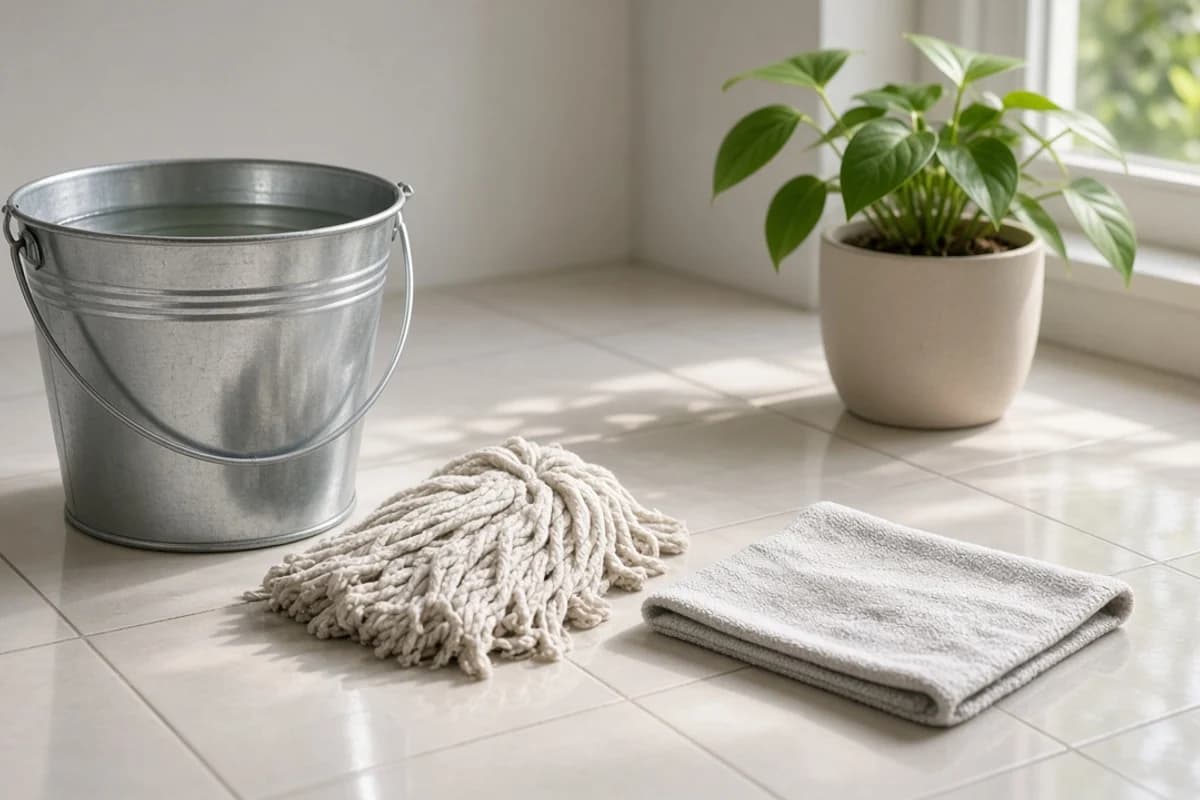
- A cotton mop or cloth
- A bucket of water
- A mild soap
How to prepare
- Wring cloths until just damp.
- Change the water often.
How to use
- Wipe shelves, tables and window sills before mopping.
- Mop wet rather than sweep dry.
Helpful habits
- Keep windows closed on very polluted days.
- Remove shoes at the door.
Precautions
- Wear a mask while cleaning heavy dust if you have allergies.
- Use only mild cleaners near children.
- A cleaning habit, not a treatment.
Frequently asked questions
Does it help allergies?
- It may reduce dust exposure; it does not treat allergy.
How often?
- Two or three times a week in dusty season.
Do I need a special cloth?
- A clean cotton cloth works.