Herbs & foods15 min
Storing Your Ayurvedic Herb Shelf the Right Way
How to store dried herbs, churnas and spices so they stay fresh and safe: jars, labels, light, damp and when to throw things out.
Ayurvedic herbs in everyday Indian homes
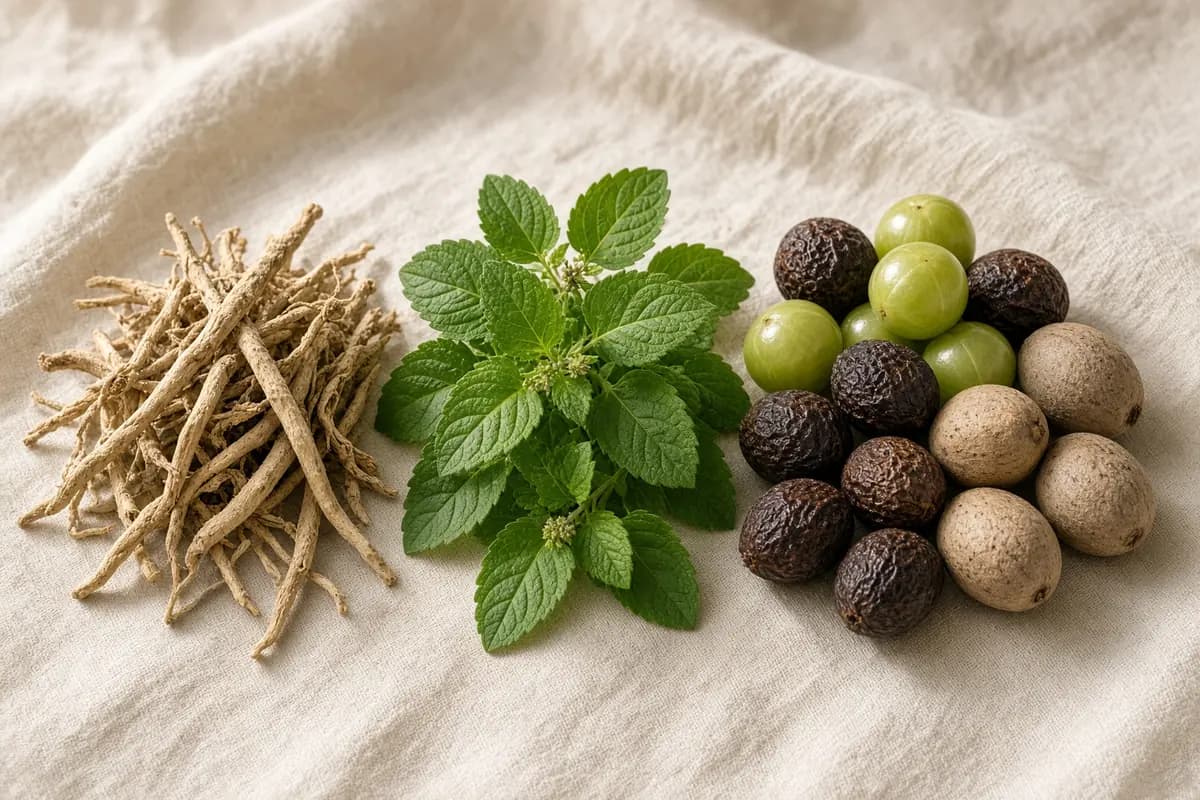
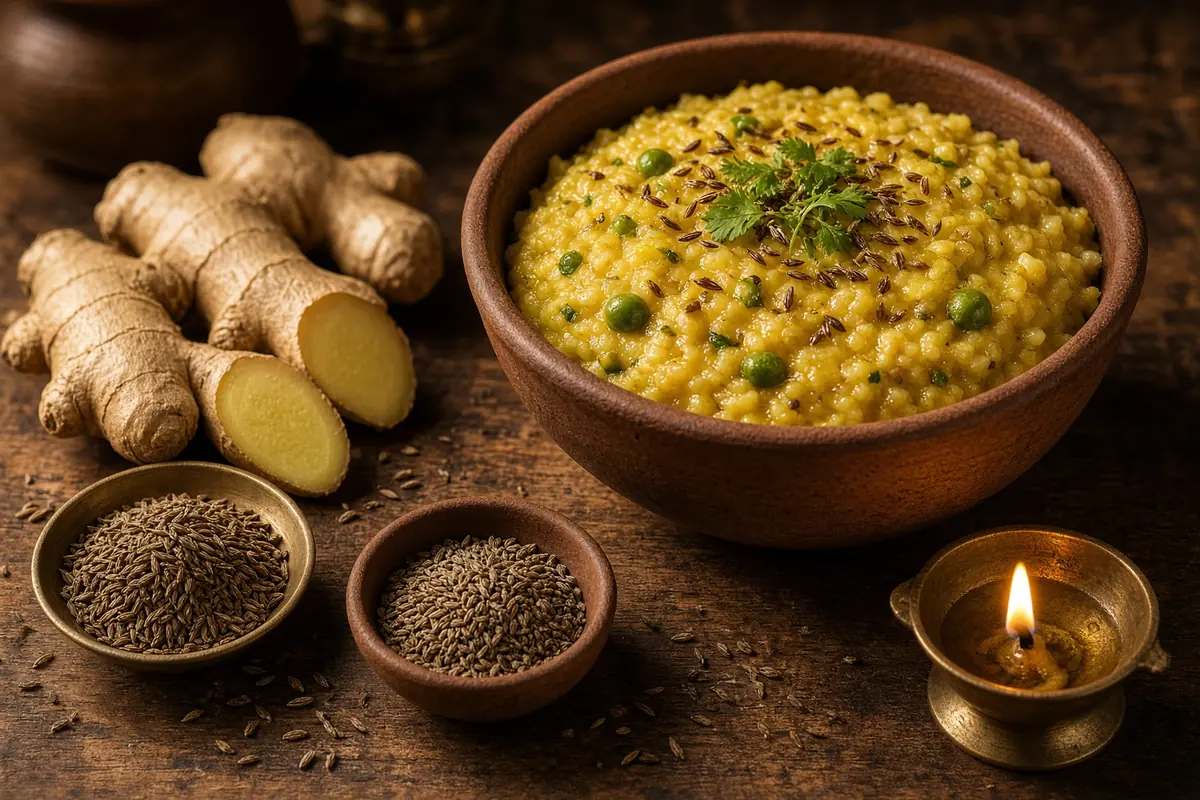
Most Ayurvedic home remedies rely on a small shelf of dried herbs and spices. How you buy, store and label them matters as much as the recipe.
Dried herbs lose aroma and strength with light, heat, air and moisture. In humid Indian monsoons, powders also attract weevils and mould, which can make them unsafe.
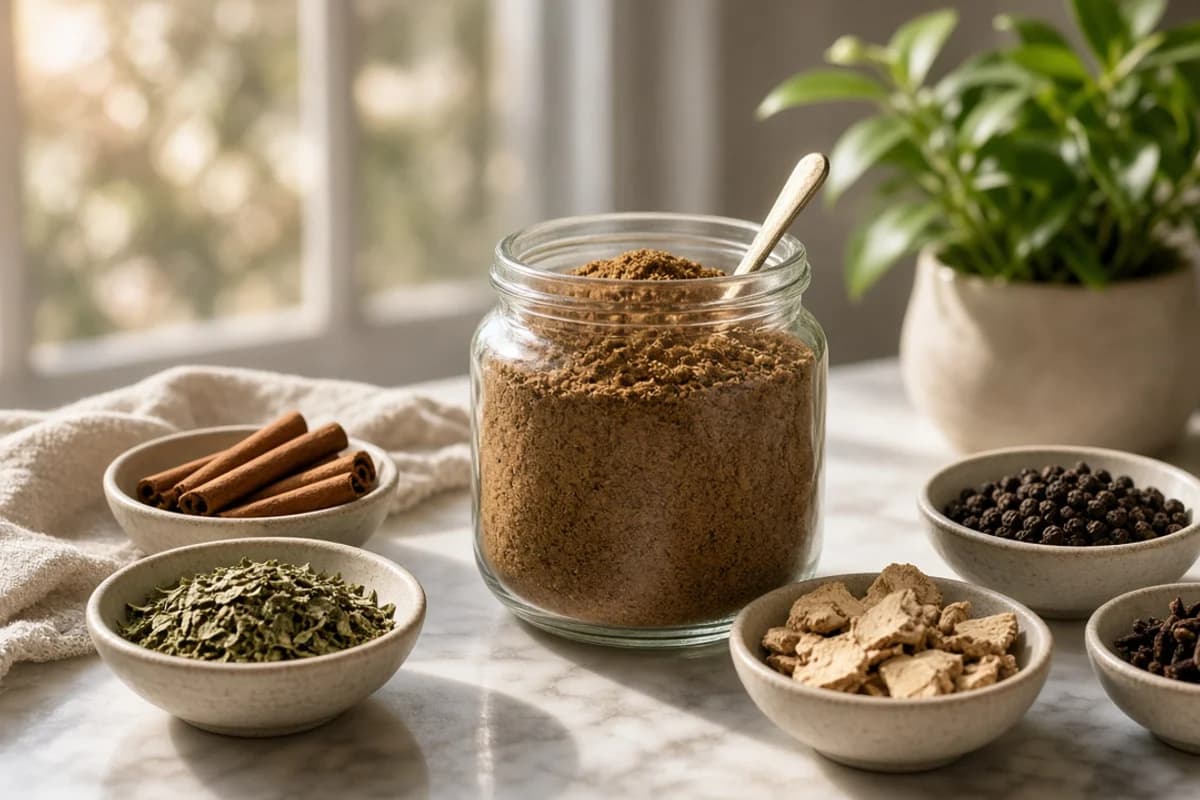
A small, well-labelled shelf of whole spices and a few churnas, refreshed every few months, beats a large collection of old packets.
Ingredients
- Clean, dry glass jars with tight lids
- Labels and a marker
- A cool cupboard away from the stove
How to prepare
- Wash and fully dry the jars in the sun.
- Fill each jar, label it with the name and date, and keep powders in smaller jars.
How to use
- Use a dry spoon every time.
- Check jars each month; smell, look for clumps, insects or mould.
Helpful habits
- Write the purchase date on every jar.
Precautions
- Never use herbs that smell musty or show webbing or mould.
- Discard anything that smells musty or shows insects or mould.
- If you take regular medicines or have a long-term condition, check with your doctor first.
Frequently asked questions
Should herbs go in the fridge?
- Only nut-like seeds such as flax or ground spices in very humid weather; let jars come to room temperature before opening.
Is it better to buy whole or powdered?
- Whole keeps longer; grind small amounts as needed.
How long do dried herbs last?
- Whole spices about a year; powders three to six months.