- cinnamon tea recipe
- cassia and Ceylon
- cinnamon safety
- spice infusion
Cinnamon Tea: Flavour, Portions and Precautions
A light cinnamon infusion focused on flavour, with cassia, liver, pregnancy and medicine safety explained.
Important: this remedy is only a supportive home measure. Keep taking any medicine your doctor has prescribed, monitor your readings, and consult your doctor before adding anything new.
cinnamon tea recipe: uses, limits and a safe method
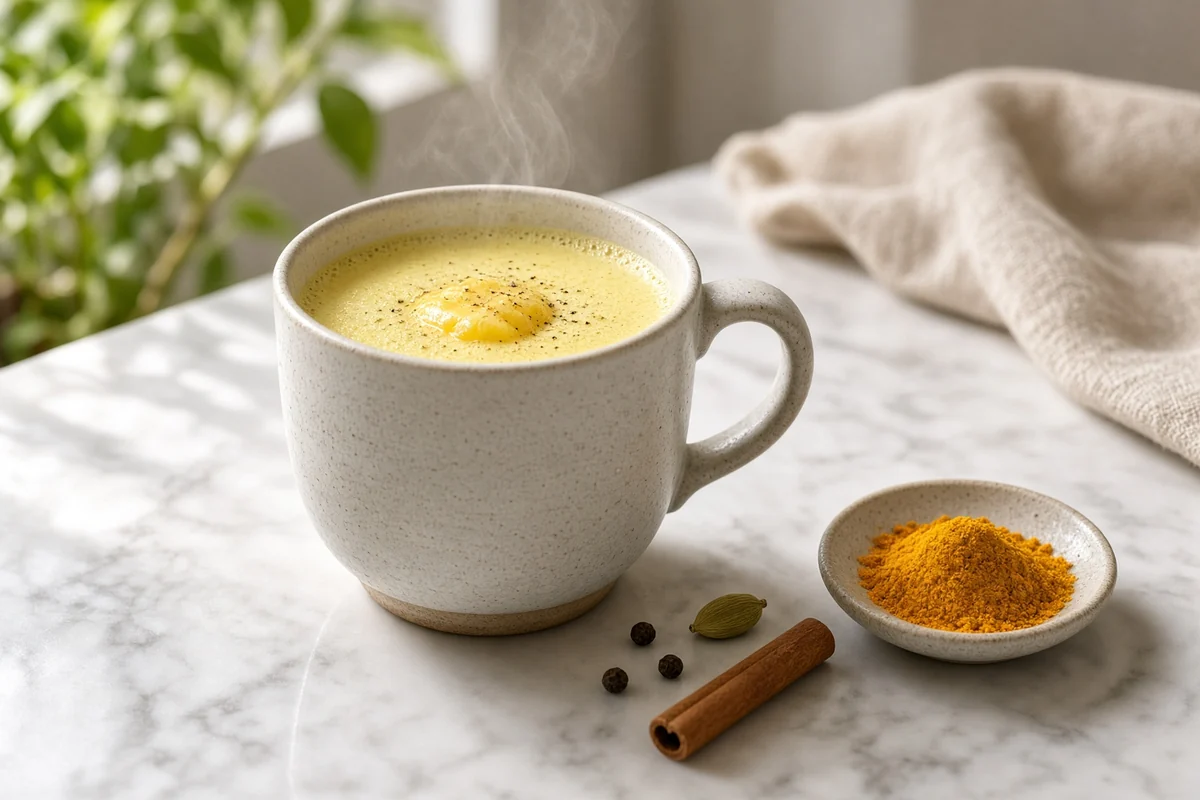
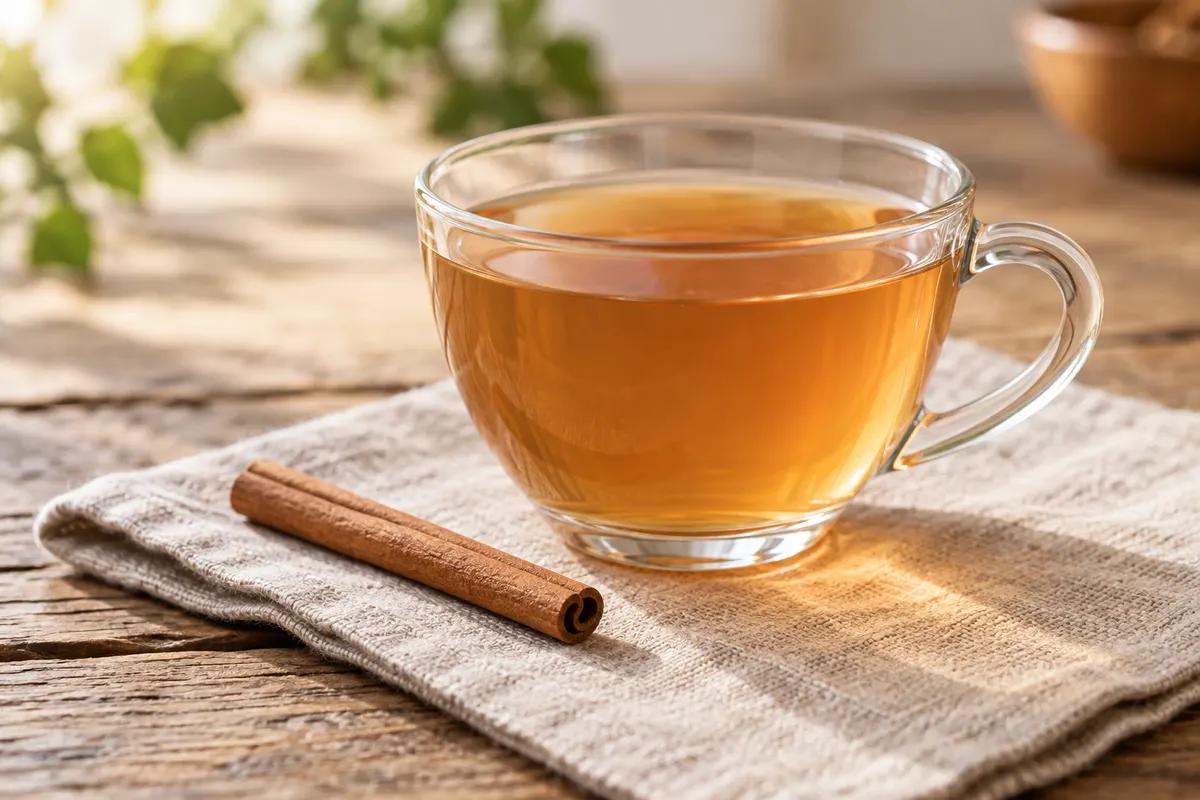
Cinnamon tea is water flavoured with a small piece of cinnamon bark. Its warm aroma can suggest sweetness without adding sugar. The bark, powder, essential oil and supplement capsules are different products, so instructions for a simple kitchen infusion should not be transferred to concentrated extracts. This guide focuses on choosing an ingredient and making an occasional drink, not treating blood sugar or following a daily supplement programme.
Check what the packet actually identifies. Cassia and Ceylon cinnamon differ in composition, and some labels say only cinnamon. NCCIH notes that cassia products can contain coumarin and that prolonged use can be a concern for sensitive people, including those with liver disease. Ceylon may contain only trace amounts, but that is not a reason to assume unlimited use is safe. Nor can the appearance of a stick alone establish its composition.
The original recipe's phrase small stick is a culinary description, not a standard dose: bark thickness, species and the piece's length vary. Begin with a modest piece, use the water stated below and do not boil it down repeatedly. Remove the bark before serving. A mild aroma is sufficient for a food drink. For repeatable flavour, note the packet and the piece you used rather than increasing the amount to obtain a darker colour.
Powder does not dissolve in the same way as sugar. It can settle at the bottom or make a gritty cup, so a bark infusion is easier to strain. If you prefer a powdered spice in food, use a recipe designed for it rather than swallowing dry spoonfuls. Cinnamon oil is not an ingredient in this cup. A strong burning sensation is not evidence of benefit.
The linked NCCIH fact sheet explains that cinnamon research does not clearly support using it for a health condition. Medicines, pregnancy and liver concerns call for individual advice before regular herbal or supplement use. Keep this optional drink separate from claims to cure diabetes, rapidly lose weight or replace treatment. If you simply want the aroma, there is no need to make a concentrated preparation.
Ingredients
- One small cinnamon stick
- 250 ml water
How to prepare
- Simmer gently for 5 minutes.
- Remove the stick and cool to drinking temperature.
- Use occasionally for flavour.
How to use
- Follow the method and portion shown above.
- Try one new measure at a time so any reaction is easier to identify.
- Continue normal meals, hydration, sleep and prescribed care.
Helpful habits
- Keep the packet so the labelled species can be checked.
- Remove the bark before serving and avoid repeated reduction.
- Expect powder to leave particles; it is not a soluble substitute for a stick.
- Use aroma and enjoyment as the kitchen goal, not a target dark colour.
Precautions
- Do not substitute cinnamon essential oil or supplement extract for bark.
- Liver disease, pregnancy, breastfeeding or regular medicines warrant individual advice before repeated or concentrated use.
- Stop for mouth irritation, rash or other adverse symptoms.
- Do not replace glucose monitoring or prescribed diabetes care with cinnamon.
Frequently asked questions
Is Ceylon cinnamon permission to drink unlimited tea?
- No. A species name does not establish an unlimited safe intake or a treatment dose.
Can I dissolve powder in the cup?
- Powder usually leaves sediment. This method uses bark that can be removed.
How much coumarin is in my stick?
- This recipe cannot determine that; products vary.
Does it cure diabetes?
- No such treatment claim is supported by this guide.
Prepared by: All Ayurvedics editorial team
No clinician review is recorded for this page. This is general information, not individual diagnosis or treatment advice.
Responsible site owner/editor: Manoj Singh. Editorial responsibility