Giloy (guduchi): how it's used, a simple kadha and who should avoid it
Giloy, the heart-leaved climber called guduchi or amrita in Ayurveda, became a household name during the pandemic. Traditionally it's used for recurring fevers, low immunity and digestion. Here's how to use it sensibly in a mild decoction, and why it isn't for everyone.

The Ayurvedic view
Guduchi is one of Ayurveda's most honoured herbs — its name amrita means ‘nectar of immortality’. It's described as bitter and astringent, balancing all three doshas, and classed as a rasayana (rejuvenative). It was traditionally given for jwara (fever), for burning sensations and for gout-like joint pain. The stem is the part used, not the leaves.
Large-scale self-medication in recent years has also shown its limits: case reports have linked heavy, prolonged giloy use with liver problems in some people, especially those with a tendency to autoimmune conditions. Moderation and short courses are key.
Ingredients
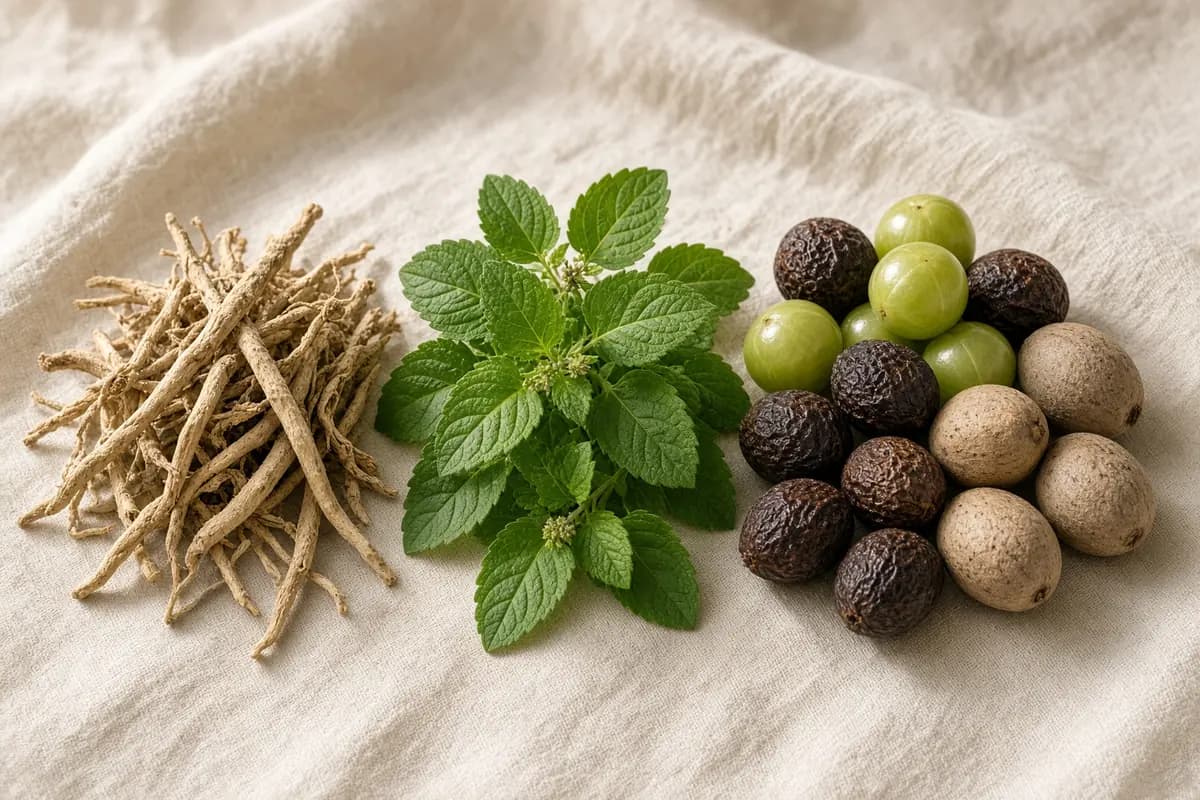
- A finger-length piece of fresh giloy stem (from a known, correctly identified plant) or ½ teaspoon giloy powder from a reliable brand
- 2 cups water
- 2–3 tulsi leaves and a thin slice of ginger (optional)
How to prepare
- Wash the stem, crush it lightly and simmer with the water (and tulsi, ginger) until reduced to about 1 cup.
- Strain. Drink warm; add a little honey once it cools slightly if the bitterness is hard.
How to use
- Take half a cup once a day for up to 2 weeks during the change of seasons or while recovering from a viral fever, then stop.
- Don't make it a year-round daily habit without an Ayurvedic doctor's guidance.
Helpful habits
- Make sure the plant is truly Tinospora cordifolia — look-alike climbers are common.
- Rest, fluids and light food matter more than any herb during fever.
Precautions
- Avoid if you have an autoimmune disease (such as rheumatoid arthritis, lupus or autoimmune hepatitis) or any liver disease, unless your doctor approves.
- Giloy may lower blood sugar — people on diabetes medicines should check with their doctor and monitor sugar.
- Not for pregnant or breastfeeding women or young children without medical advice.
- Stop and see a doctor if you notice yellow eyes, dark urine, loss of appetite or unusual tiredness. Fever lasting more than 3 days needs testing (dengue, malaria, typhoid).