- pomegranate raita
- anar raita
- plain curd side dish
- fruit and curd
Pomegranate Raita: Preparation, Texture and Storage
A fresh anar raita with fruit selection, clean preparation, thick-curd troubleshooting, optional seasonings and practical dairy-handling advice.
Important: this remedy is only a supportive home measure. Keep taking any medicine your doctor has prescribed, monitor your readings, and consult your doctor before adding anything new.
pomegranate raita recipe: uses, limits and a safe method
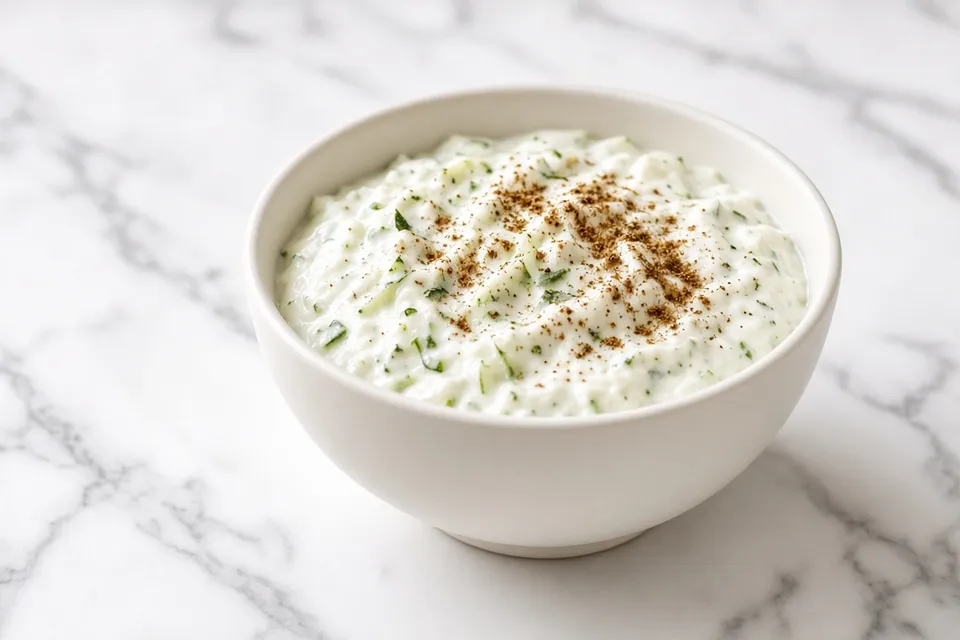
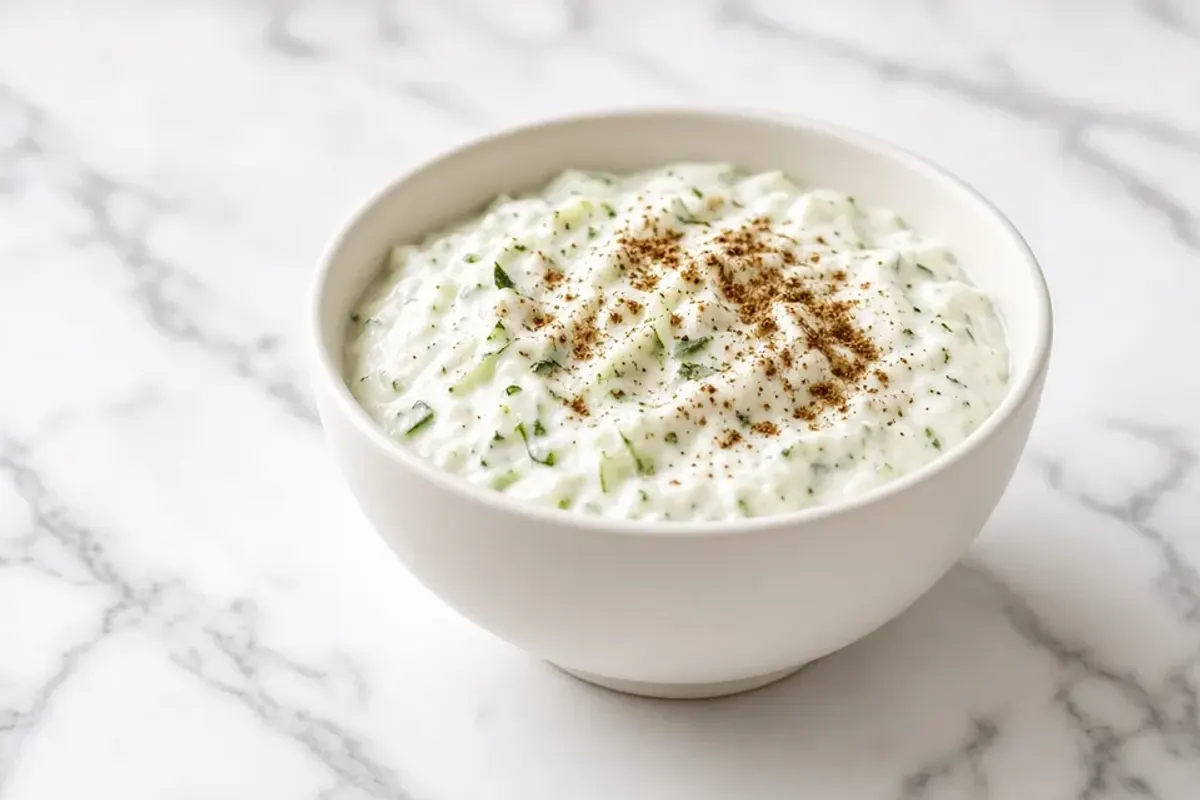
Pomegranate raita combines crisp arils with smooth plain curd. The contrast of the two textures is its main attraction. Calling it cooling can describe how a chilled side dish feels at the table; it should not imply a proven effect on body temperature, blood purification or illness. It is an accompaniment to a meal, not a replacement for a varied diet.
Wash the outside of the pomegranate before cutting, because opening a fruit brings the knife and hands from the surface toward the edible part. Use a clean board and remove the arils into a separate bowl. Pick out pale membrane pieces, which can taste bitter, and inspect for damaged or spoiled fruit. This practical separation is easier than trying to remove membrane after the seeds have disappeared into white curd.
Whisk the curd smooth before adding fruit. Thick curd holds the arils more evenly; a loose base can become still thinner as the fruit releases juice. If you want a thinner raita, add a little water only after folding in the arils and checking the consistency. A pink streak from a crushed aril is a colour change, not by itself evidence of spoilage. Storage history and the condition of the ingredients matter too.
Season gently with roasted cumin and washed finely chopped mint if you enjoy them. Taste the curd and fruit together before adding salt or sugar. A sour batch of curd and tart fruit may not give the same flavour as a mild base and sweeter fruit. Choose suitable ingredients rather than covering an unpleasant taste with repeated spoonfuls of sweetener. Keep some plain curd aside when serving people with different preferences.
Use dairy suitable for the people eating it. Milk allergy and lactose intolerance are different, and a non-dairy substitute changes the recipe. Assemble close to serving and keep the remainder refrigerated. If taking raita somewhere, use appropriate cold transport rather than leaving it in a warm bag. This guide does not provide treatment for anaemia or digestive disease; the useful outcome is a clearly prepared, enjoyable side dish with sensible handling.
Ingredients
- 1 cup pasteurised plain curd
- ¼ cup pomegranate arils
- Roasted cumin and mint
How to prepare
- Wash the fruit exterior, then open on a clean board and collect arils in a separate bowl.
- Remove membranes and damaged pieces.
- Whisk cold plain curd smooth, fold in arils and check thickness before adding any water.
- Add optional cumin or washed chopped mint, taste and serve promptly; keep leftovers cold.
How to use
- Follow the method and portion shown above.
- Try one new measure at a time so any reaction is easier to identify.
- Continue normal meals, hydration, sleep and prescribed care.
Helpful habits
- Remove membrane before mixing fruit into curd.
- Add water only after checking the assembled raita.
- Fold gently to leave more arils intact.
- Keep chilled during transport as well as at home.
Precautions
- Do not serve milk-based raita to someone with a milk allergy.
- Use individual advice for lactose intolerance or carbohydrate planning.
- Keep perishable dairy cold and discard food that has been held unsafely.
- Prepare fruit texture according to the eater's chewing and swallowing needs.
Frequently asked questions
Why did the raita turn pink?
- Crushed arils release coloured juice. Colour alone does not establish safety or spoilage.
Why is it watery?
- Loose curd, extra water and released fruit juice can thin the mixture.
Must I add sugar?
- No. Taste the fruit and curd together first.
Does it treat anaemia?
- No such treatment is established by this food recipe.
Prepared by: All Ayurvedics editorial team
No clinician review is recorded for this page. This is general information, not individual diagnosis or treatment advice.
Responsible site owner/editor: Manoj Singh. Editorial responsibility