Heart & BP support10 min
Tulsi Tea as Part of a Stress-and-BP Routine
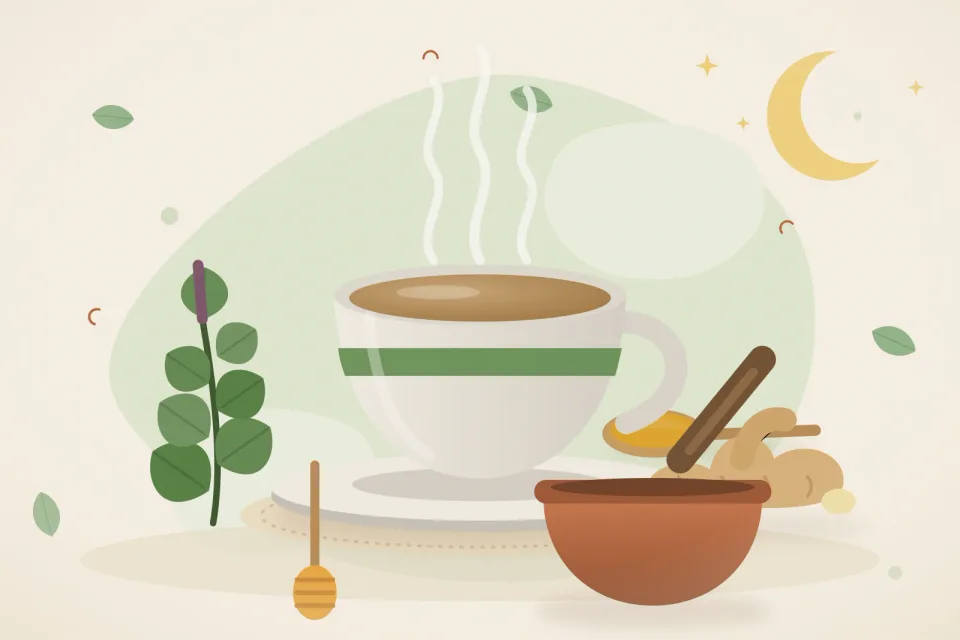
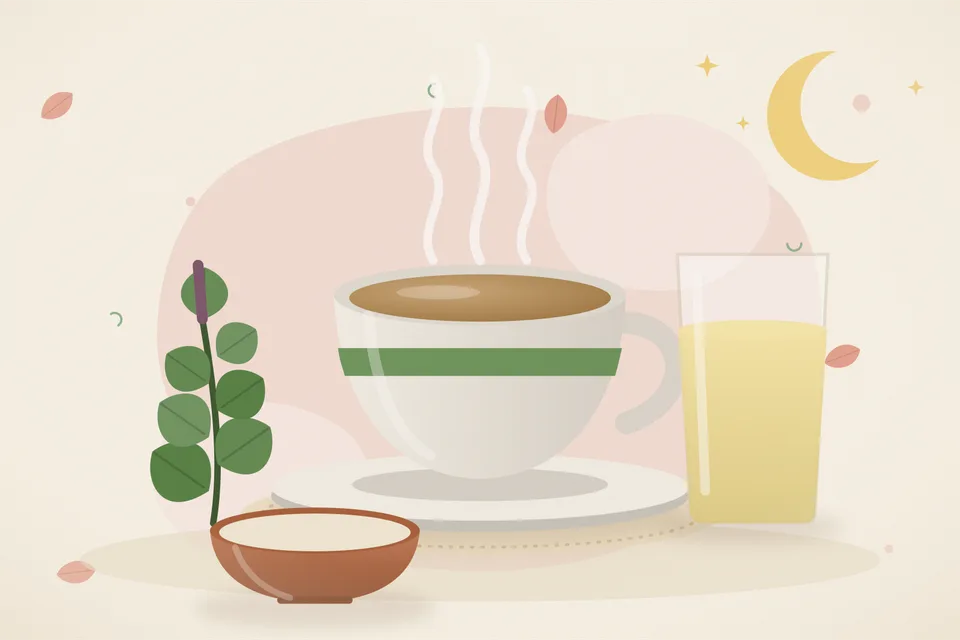
A daily cup of tulsi tea paired with a few minutes of slow breathing, a calming ritual for people managing stress-related high blood pressure.
Important: this remedy is only a supportive home measure. Keep taking any medicine your doctor has prescribed, monitor your readings, and consult your doctor before adding anything new.
Tulsi in everyday Indian homes
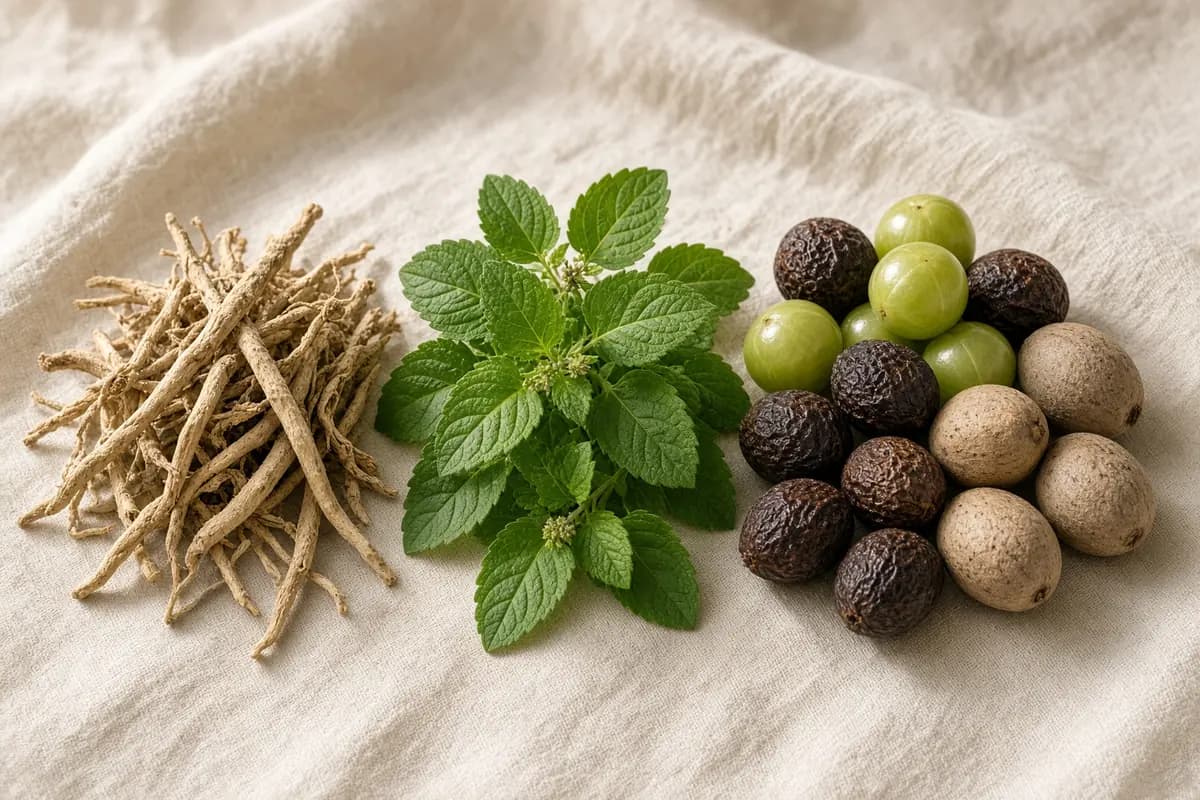
Tulsi, or holy basil, grows in a pot in many Indian courtyards. Ayurveda describes it as warming and light, and families use a few leaves in tea, kadha and morning rituals.
Stress can push blood pressure up. Tulsi is an adaptogen in Ayurveda, and small trials suggest it may lower stress scores. Pairing the tea with slow breathing, which does lower BP in studies, turns it into a useful daily pause.
Ingredients
- 8 to 10 tulsi leaves or 1 tulsi tea bag
- 1 cup hot water
How to prepare
- Steep for five minutes; strain.
How to use
- Sip slowly while doing five minutes of slow breathing (about six breaths per minute).
- Do this once or twice a day and log your BP weekly.
Helpful habits
- Pick fresh leaves from a clean home plant and rinse them well.
Precautions
- Keep taking BP medicines. Tulsi may slightly lower blood sugar.
- Use a few leaves, not handfuls; it is warming.
- Check with a doctor if you take blood thinners or are planning a pregnancy.
- Keep taking your BP or heart medicine and keep a home BP log.
- Traditional use; scientific evidence is limited. Do not stop prescribed medicine.
Frequently asked questions
Does tulsi itself lower BP?
- Evidence is limited; the routine and stress reduction matter more.
Can I add ginger?
- Yes, a slice of ginger is fine.
Is dried tulsi as good as fresh?
- Dried leaves work for tea; use a little less as they are concentrated.