High uric acid and gout: food and lifestyle habits that help
High uric acid can crystallise in joints and cause sudden, very painful gout attacks, often in the big toe. Along with medical treatment, plenty of water, less alcohol and sugary drinks, moderate portions of high-purine foods and healthy weight make a real difference.
Important: this remedy is only a supportive home measure. Keep taking any medicine your doctor has prescribed, monitor your readings, and consult your doctor before adding anything new.
The Ayurvedic view
Ayurveda describes a condition called vatarakta — ‘vata in the blood’ — with burning, swollen, red joints that closely resembles gout. The traditional advice is to avoid heating, heavy, sour and fermented foods and alcohol, and to favour cooling, light foods. Modern medicine similarly advises limiting alcohol (especially beer), sugary drinks, organ meats and excess red meat and seafood, and staying well hydrated.
Ingredients
- 8–10 glasses of water a day (unless your doctor has limited fluids)
- Cooling, lighter foods: lauki, tori, cucumber, moong dal, low-fat curd, seasonal fruit such as cherries or amla
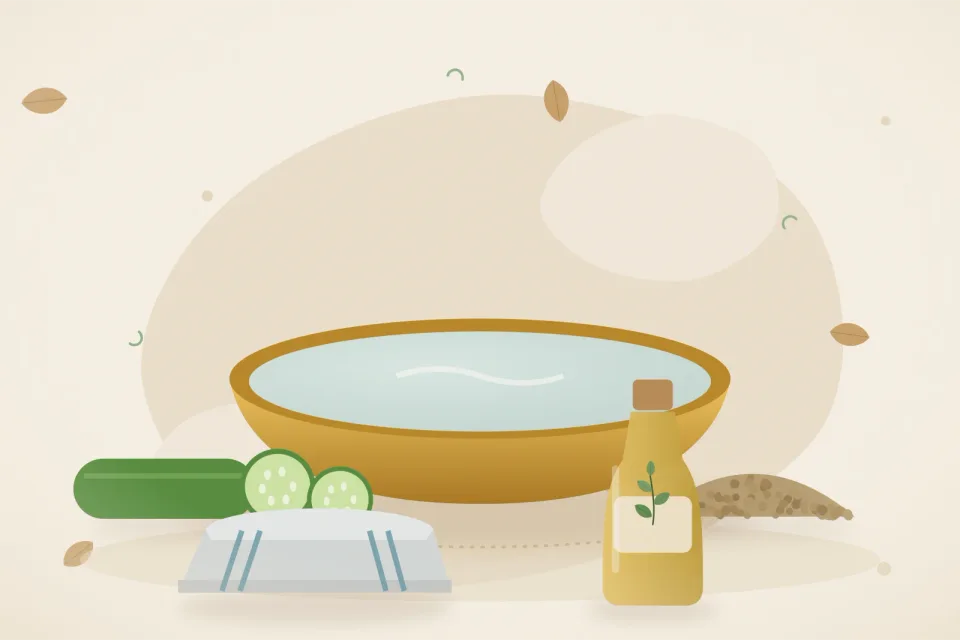
- 1 teaspoon coriander seeds soaked overnight in a glass of water (a traditional cooling drink)
How to prepare
- Soak the coriander seeds at night; strain in the morning.
How to use
- Drink the coriander water in the morning, and water steadily through the day.
- Base meals on vegetables, whole grains and moderate dal portions; keep non-veg, especially organ meats and shellfish, occasional.
- During an attack, rest and raise the joint, apply a cold pack wrapped in cloth for 15–20 minutes, and take the medicine your doctor has prescribed.
Helpful habits
- Avoid alcohol (beer in particular) and sugary soft drinks and packaged juices high in fructose.
- Lose weight gradually; crash diets and fasting can trigger attacks.
- Get kidney function, blood sugar and cholesterol checked — they often travel together.
Precautions
- Keep taking uric-acid-lowering medicines exactly as prescribed; don't stop them during or after an attack unless your doctor says so.
- A hot, red, swollen joint with fever may be an infection — see a doctor urgently.
- People with kidney or heart disease should check fluid intake with their doctor.