Herbs & foods10 min
Babool (Acacia): Benefits and Uses for Teeth and Gums
Babool twigs, bark and gum have long been used for teeth and gums in India. Simple ways to use babool at home and what to keep in mind.
Babool in everyday Indian homes
Babool (acacia) twigs are a traditional datun, and its astringent bark and gum appear in Ayurvedic tooth powders and gum rinses.
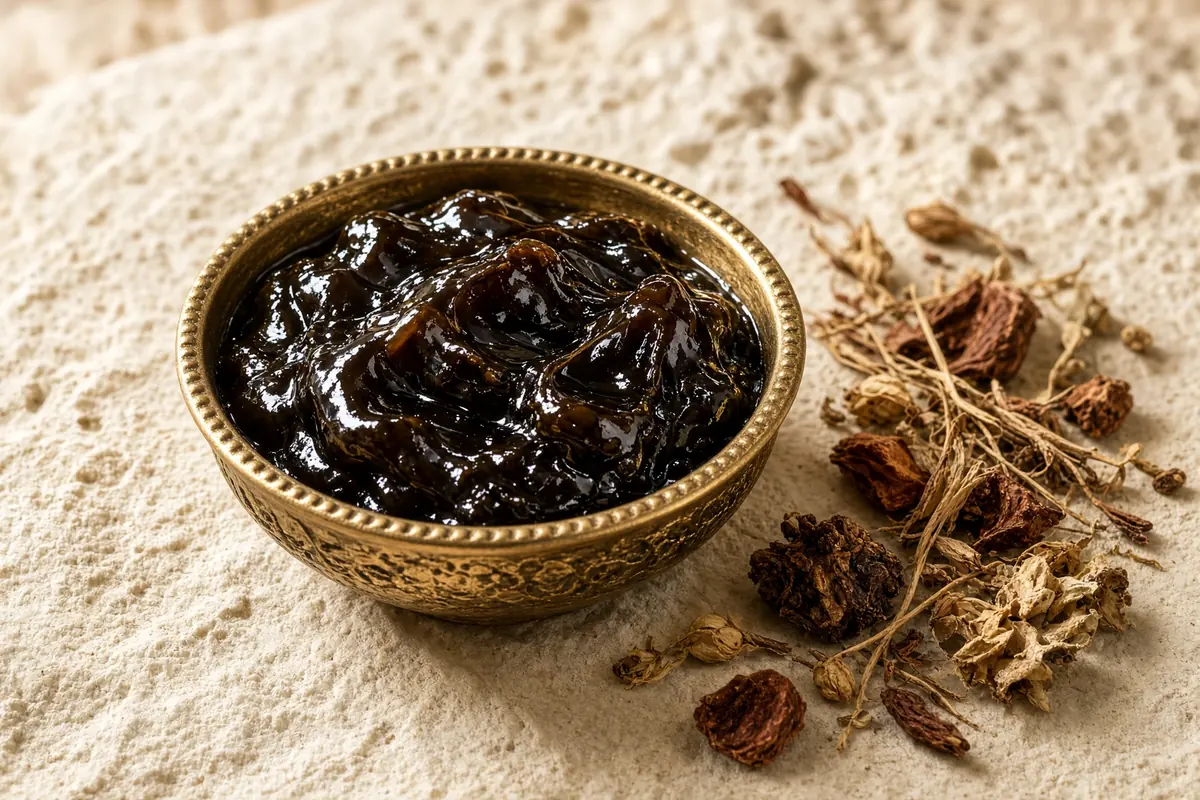
The babool tree grows across dry parts of India. Its twigs are chewed as datun, its astringent bark is boiled for gum rinses, and its gum (gond) is used in winter laddoos.
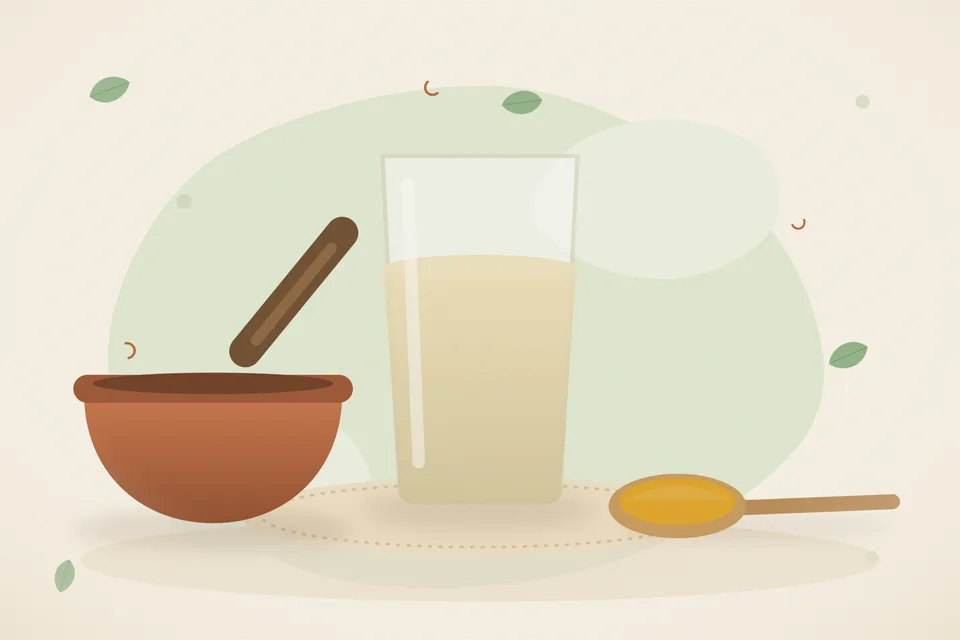
For home oral care, a cooled bark decoction used as a rinse after brushing is the simplest use. It tightens the feel of the gums, but bleeding gums still need a dentist.
Ingredients
- 1 tbsp babool bark pieces
- 2 cups water
How to prepare
- Boil the bark in water until it reduces by half.
- Cool and strain.
How to use
- Swish a few sips around the mouth after brushing, then spit.
- Use for up to a week, once a day.
Helpful habits
- Chew the twig end into soft bristles before brushing.
Precautions
- Do not swallow the decoction in large amounts.
- Use soft, fresh twigs; a hard twig can hurt the gums.
- A home remedy, not a treatment. See a doctor if symptoms last more than a few days or get worse.
Frequently asked questions
Is babool gum the same as gond katira?
- No, babool gond is acacia gum; gond katira is from a different plant.
Does babool whiten teeth?
- No; it is astringent, not a whitener.
Can datun replace a toothbrush?
- It can be an occasional extra; a toothbrush and paste clean better.