Ginger Tea: Benefits, Traditional Uses, Recipe and Precautions
A practical guide to making mild ginger tea at home, understanding its possible benefits and using it sensibly. Recipe quantities describe a drink, not a medicinal dose.
Important: this remedy is only a supportive home measure. Keep taking any medicine your doctor has prescribed, monitor your readings, and consult your doctor before adding anything new.
Ginger tea benefits, traditional uses and everyday choices
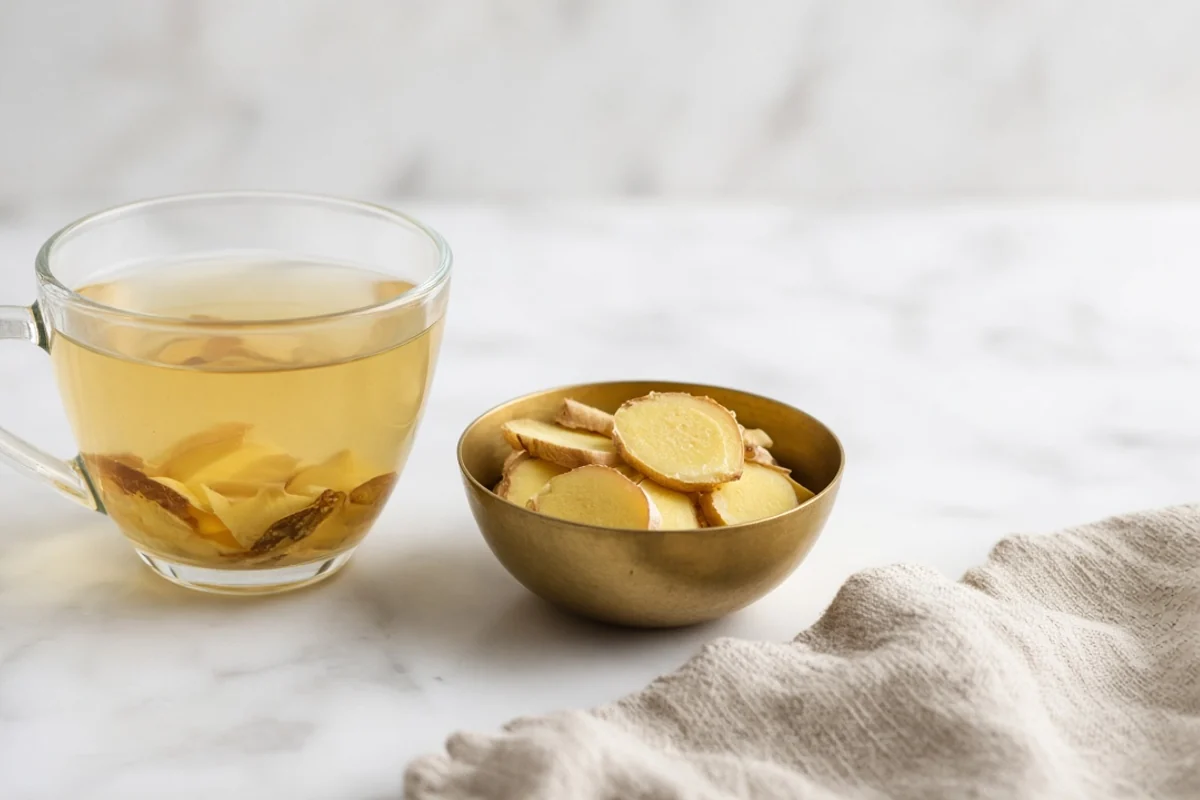
What is ginger tea? Ginger tea is a warm drink made by steeping or gently simmering fresh ginger in water. Despite its name, it does not need tea leaves. The basic ginger-and-water version is naturally free from caffeine, while versions containing black or green tea contain caffeine.
Ginger has a distinctive spicy flavour, so a small amount can make a satisfying drink without a long list of ingredients. You can prepare it plain or adjust the flavour with a little lemon or sweetener, according to your preference. This guide describes a mild kitchen preparation. The recipe amounts are for flavour and are not a prescribed medicinal dose.
Traditional home use: ginger has a long history in traditional medicine, including use for indigestion and digestive discomfort. In Indian households it is a familiar ingredient in meals, chai and warming drinks. Traditional use explains its popularity, but does not establish that every claimed benefit is scientifically proven. Research often uses capsules or measured preparations rather than homemade tea. A cup varies with the amount of ginger, how finely it is cut and how long it is cooked.
A pleasant warm drink: the clearest everyday benefit is practical. Ginger adds flavour to water. If you enjoy its taste, a mild cup can become part of a comfortable morning or evening routine. There is no need to make it unusually strong. A preparation you enjoy and tolerate is more useful than one you force yourself to drink because it is described as powerful.
An alternative to another caffeinated tea: a drink made only with ginger and water contains no tea leaves. It is an option when you want something warm without another caffeinated beverage. Check the ingredients of packaged ginger tea; some blends contain black tea, green tea or other ingredients.
Less sweetness if you prefer: ginger has enough flavour to be enjoyed without sugar. If you usually drink very sweet chai, a plain infusion offers a different option. Honey, jaggery and sugar are taste choices. A drink containing those sweeteners should not be described as sugar-free.
Nausea and evidence limits: research suggests ginger may help nausea associated with pregnancy, but much of that research concerns supplements. It does not show that this particular tea recipe provides the same benefit. Pregnant readers considering ginger specifically to manage nausea should discuss it with their clinician.
Adjusting the strength: finely grated ginger makes a stronger-tasting drink than larger slices. Beginners may prefer slices because they are easy to remove and make the strength easier to adjust. If a cup tastes too strong, add water; next time use less ginger or simmer for less time. Choose flavour and comfort rather than trying to make the strongest possible drink.
Ingredients
- 250 ml drinking water
- Two thin slices of fresh ginger
- A small amount of lemon juice, optional
- Sweetener to taste, optional
- Choose firm ginger without visible mould. Wash well; peeling clean, sound ginger is optional.
How to prepare
- Pour the water into a small saucepan and add the washed ginger slices.
- Bring to a gentle boil, lower the heat and simmer for about five minutes.
- Strain into a cup and cool to a comfortable drinking temperature.
- Taste before adding optional lemon or sweetener. Dilute with water if too strong.
How to use
- Choose a time that suits you. There is no universal requirement to drink it on an empty stomach, immediately after waking or before bed.
- Enjoy it as an optional beverage rather than setting a compulsory daily target. Increasing the strength does not establish a detox effect.
- Consider ginger already present in your meals and chai before adding several concentrated drinks or supplements.
Helpful habits
- Start simply. Pepper, cloves, cinnamon and other spices can overwhelm the flavour when added together.
- More ginger is not automatically better. Adjust the recipe for taste and comfort rather than making it stronger each day.
- Let the cup cool until you can sip comfortably; do not drink it extremely hot.
- A homemade infusion is not a standardised supplement, and cannot explain or resolve every cause of vomiting or abdominal discomfort.
- Prepare one cup fresh. Keep ginger and utensils clean and avoid leaving the drink at room temperature for extended periods.
Precautions
- Ginger can cause heartburn, abdominal discomfort, diarrhoea or mouth and throat irritation. Stop if it makes you uncomfortable.
- People taking medicines should seek advice before using ginger as an herbal treatment, particularly in concentrated preparations.
- Persistent vomiting, inability to keep fluids down, severe abdominal pain or signs of dehydration need medical assessment. Do not make the tea stronger while symptoms worsen.
Frequently asked questions
Is ginger tea the same as ginger chai?
- No. This recipe uses ginger and water. Ginger chai usually includes tea leaves and often milk.
Can I drink it without sugar?
- Yes. Sweetener is optional.
Is lemon necessary?
- No. Leave it out if you dislike the flavour or find it uncomfortable.
Will ginger tea reduce belly fat?
- This recipe should not be advertised as a proven weight-loss treatment.
Do I need to drink it every day?
- No. It is optional, with no prescribed daily schedule for this recipe.
Prepared by: All Ayurvedics editorial team
No clinician review is recorded for this page. This is general information, not individual diagnosis or treatment advice.
Responsible site owner/editor: Manoj Singh. Editorial responsibility