Hadjod (Cissus quadrangularis): What to Know
Hadjod, the 'bone-setter' vine, is traditionally used after fractures and for joint pain. What tradition and studies say, and how to use it safely.
Important: this remedy is only a supportive home measure. Keep taking any medicine your doctor has prescribed, monitor your readings, and consult your doctor before adding anything new.
Using hadjod sensibly at home
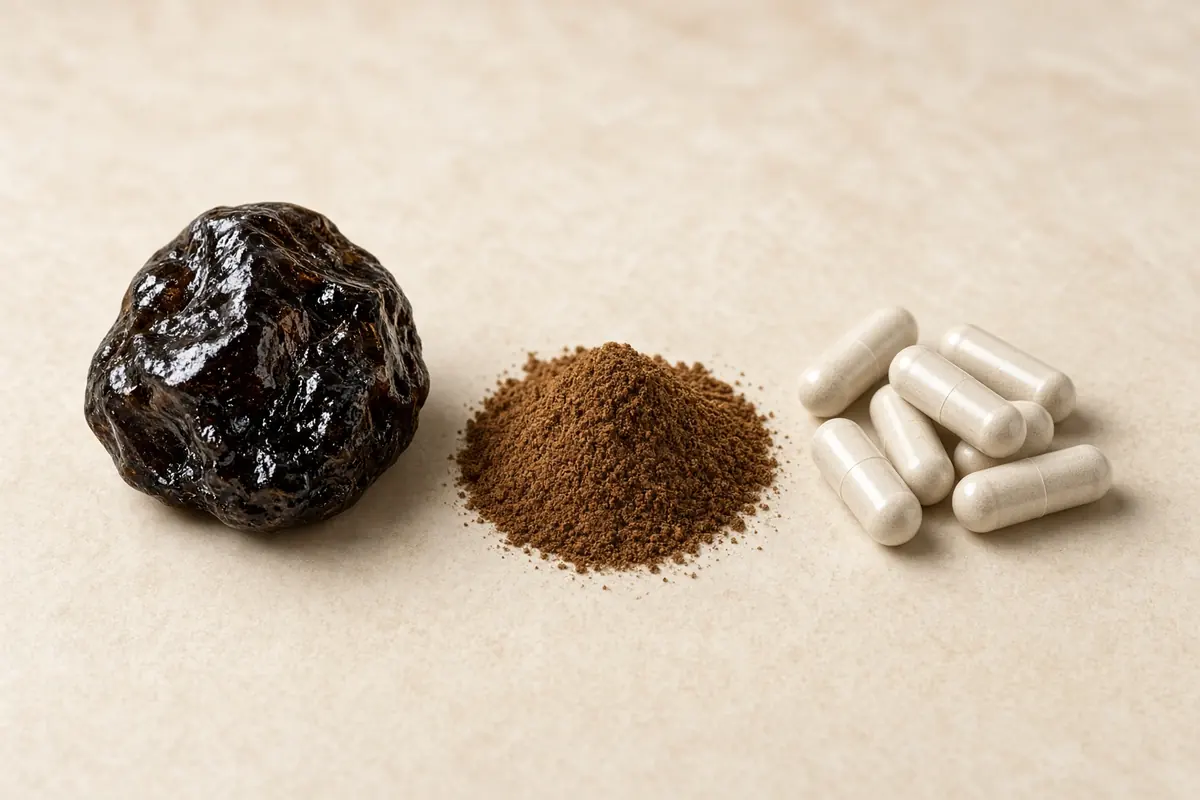
Hadjod (Cissus quadrangularis), the 'bone-setter', is a four-sided vine traditionally used after fractures and for joint comfort. It is sold as tablets; research is limited.
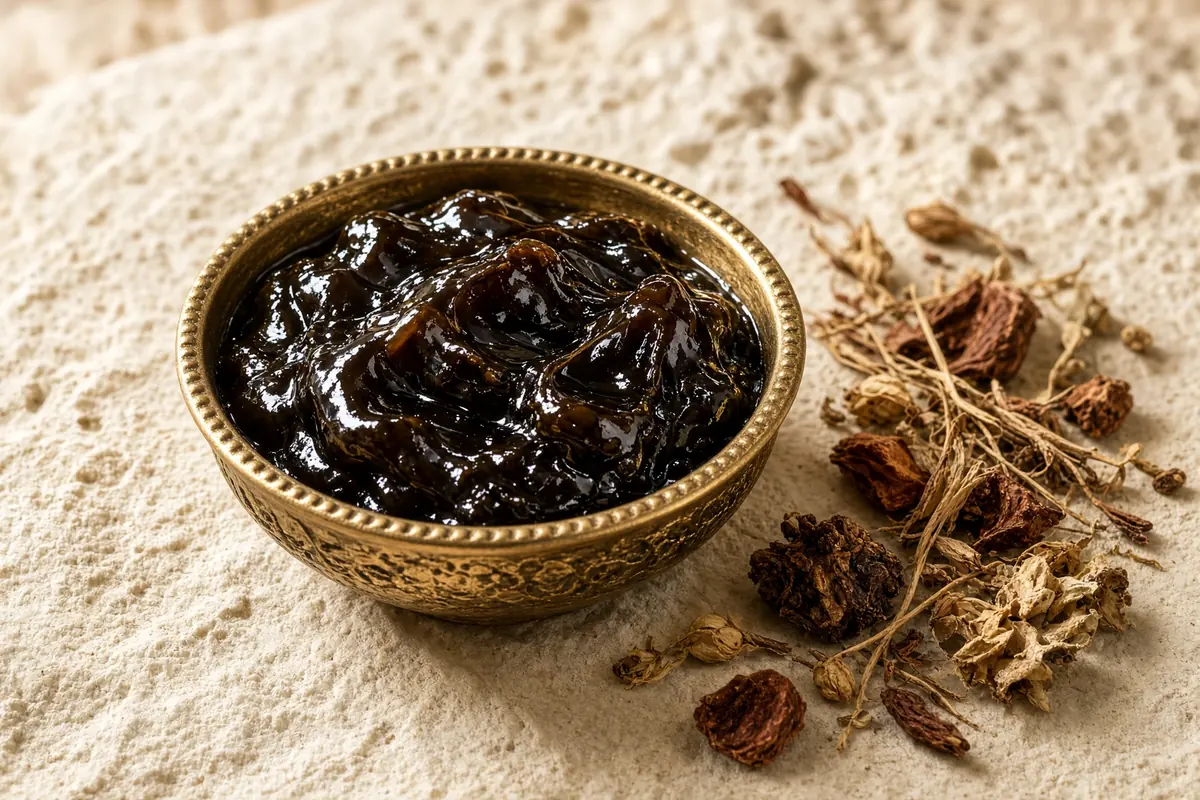
Hadjod (asthisamharaka) is a fleshy, four-angled vine used in folk medicine to support bone healing. A few small studies suggest it may speed fracture healing or ease joint pain, but evidence is limited. It is never a substitute for proper fracture care.
Ingredients
- Hadjod tablets or powder from a licensed pharmacy, if prescribed
How to prepare
- Get fractures treated by an orthopaedic doctor first.
- Ask whether hadjod is suitable as an add-on.
How to use
- Take only the advised dose for the advised duration.
- Eat enough protein, calcium and vitamin D for bone healing.
Helpful habits
- The fresh stem can itch the mouth; it is traditionally cooked or made into chutney with care.
Precautions
- May lower blood sugar; people with diabetes should monitor. Avoid in pregnancy. Fresh stem can irritate the mouth and skin.
- Never use it in place of an X-ray, plaster or orthopaedic care.
- Check with a doctor if you take diabetes medicine.
- Traditional use; scientific evidence is limited. Do not stop prescribed medicine.
Frequently asked questions
Can I cook hadjod at home?
- In some regions young stems are made into chutney after careful processing; it can be itchy if not prepared well.
Is it safe with calcium tablets?
- Usually yes, but tell your doctor.
Does hadjod heal fractures faster?
- A few small studies suggest it might; follow your orthopaedic doctor's plan.