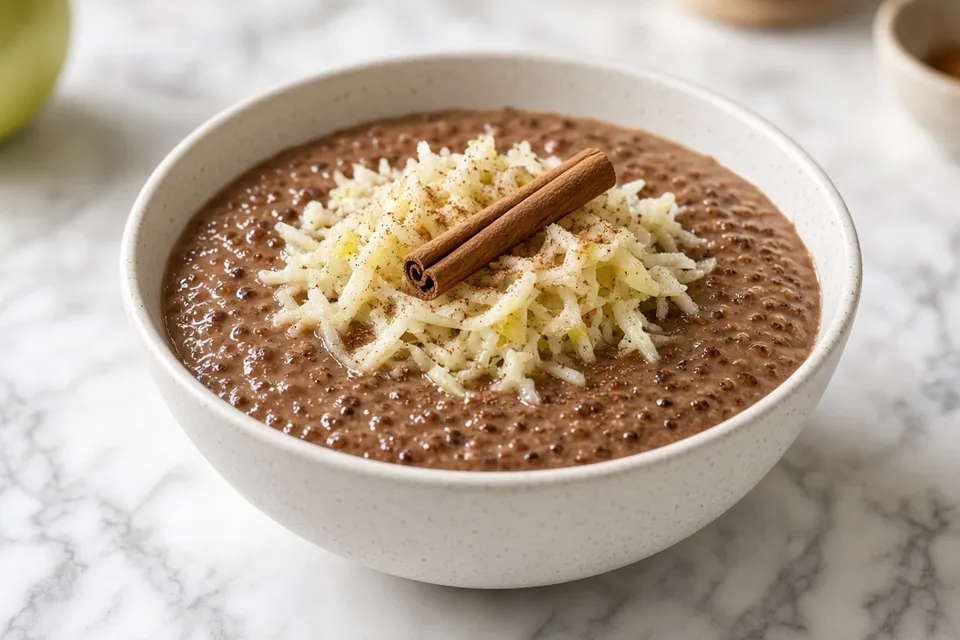
- ragi porridge
- finger millet flour
- ragi cooking method
- adult breakfast
Ragi Porridge for Adults: Smooth Preparation and Serving
Cook finger-millet flour into a smooth adult breakfast, with a cold slurry, full cooking, texture adjustments and clear limits on nutrition claims.
Important: this remedy is only a supportive home measure. Keep taking any medicine your doctor has prescribed, monitor your readings, and consult your doctor before adding anything new.
ragi porridge recipe: uses, limits and a safe method
Ragi is finger millet, commonly used as flour in porridge and other foods. This guide is for an adult food preparation. It is not an infant-feeding plan, a formula substitute or a treatment for anaemia. A familiar traditional food can be enjoyed without presenting one bowl as the answer to every nutritional problem.
Check whether the packet contains plain flour, a malted product or a ready-mixed sweetened porridge. Those products may need different liquid and cooking instructions. A sweetened mix can already contain milk ingredients or flavourings. Read the label before adding more sugar or choosing it for someone with an allergy. The small flour measure below is a starting batch for this preparation, not a universal daily recommendation.
For plain flour, first mix it with cool liquid until no dry pockets remain. Adding flour directly to boiling water can set the outside of a lump before its centre disperses. Once you have a smooth slurry, heat gently while stirring across the base. Continue according to the product's cooking instructions; thickening alone is not a substitute for proper cooking. If the pan catches, do not scrape a burnt layer into the whole bowl.
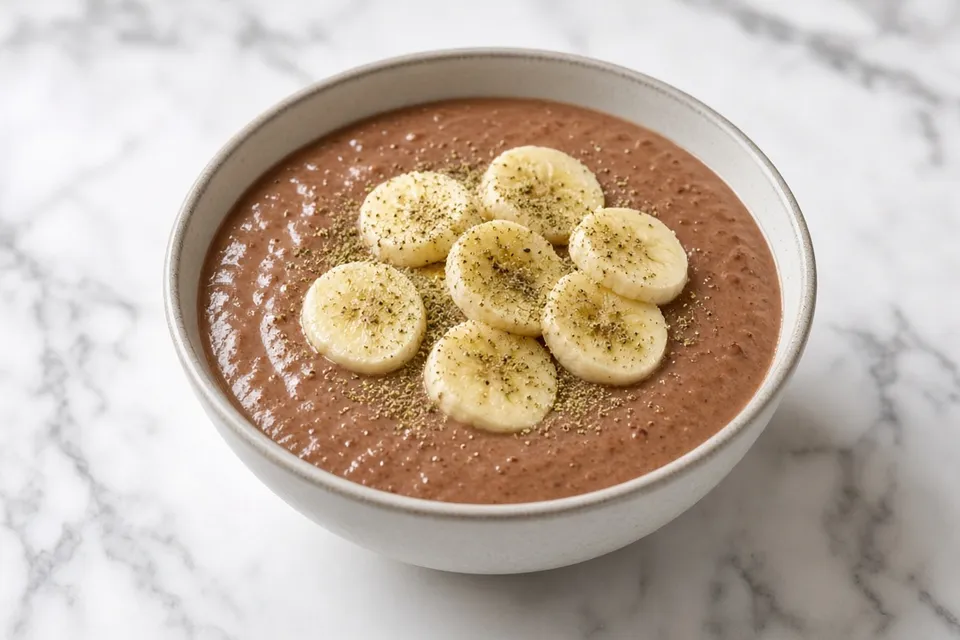
The final consistency depends on the flour and time on the heat. Add suitable liquid a little at a time after the porridge is cooked, then let it cool to a comfortable temperature. It thickens as it stands. If adding fruit for taste, stir it into a portion rather than sweetening the entire pot before anyone has tasted it. Milk, a suitable alternative or water each makes a different meal, so avoid claiming identical nutrition for every version.
Ragi can be one starchy food within a varied diet. Broad guidance about carbohydrates is not a laboratory analysis of this bowl or proof that it cures diabetes. If you need a medical diet, use individual advice rather than a generic mineral or calorie claim. The useful kitchen skills are distinguishing the product, making a cold slurry, cooking it properly and adjusting the finished texture. Those details offer more value than promising stronger bones or a rapid rise in haemoglobin.
Ingredients
- 2 tablespoons ragi flour
- 1 cup water or suitable milk
- Fruit for sweetness, optional
How to prepare
- Read the flour or porridge-mix label and follow its specific cooking guidance.
- For plain ragi flour, mix the measured amount with cool liquid until no dry pockets remain.
- Heat gently while stirring across the base and cook fully according to the product instructions.
- Adjust the cooked consistency gradually, cool to a comfortable serving temperature and add optional fruit to individual portions.
How to use
- Serve as an adult breakfast or part of a varied meal.
- Choose suitable accompaniments instead of assuming flour and water provide a complete diet.
- Use personal dietary advice when carbohydrates, minerals or fluid need individual planning.
Helpful habits
- Distinguish plain flour from malted or sweetened mixes.
- Make the cold slurry before heating to reduce lumps.
- Do not judge full cooking only by how quickly the bowl thickens.
- Adjust a cooked portion after standing rather than repeatedly diluting the pot.
Precautions
- This restored page is an adult recipe, not infant feeding or medical nutrition guidance.
- Check packaged mixes for milk and other allergens.
- Follow individual advice for a medically restricted diet.
- Avoid burns from hot porridge and do not treat it as an anaemia or diabetes cure.
Frequently asked questions
Can I use a malted sweetened mix in the same way?
- Read its instructions. Added ingredients and processing can change the preparation.
Why are there lumps?
- Adding dry flour to hot liquid can set its outside. Start with a smooth cold slurry.
Does thickening mean it is fully cooked?
- Not necessarily. Follow the product's cooking guidance as well as checking texture.
Is this a baby-feeding guide?
- No. This page is explicitly for adult food use.
Prepared by: All Ayurvedics editorial team
No clinician review is recorded for this page. This is general information, not individual diagnosis or treatment advice.
Responsible site owner/editor: Manoj Singh. Editorial responsibility