Eating the Vegetables First, Then the Roti
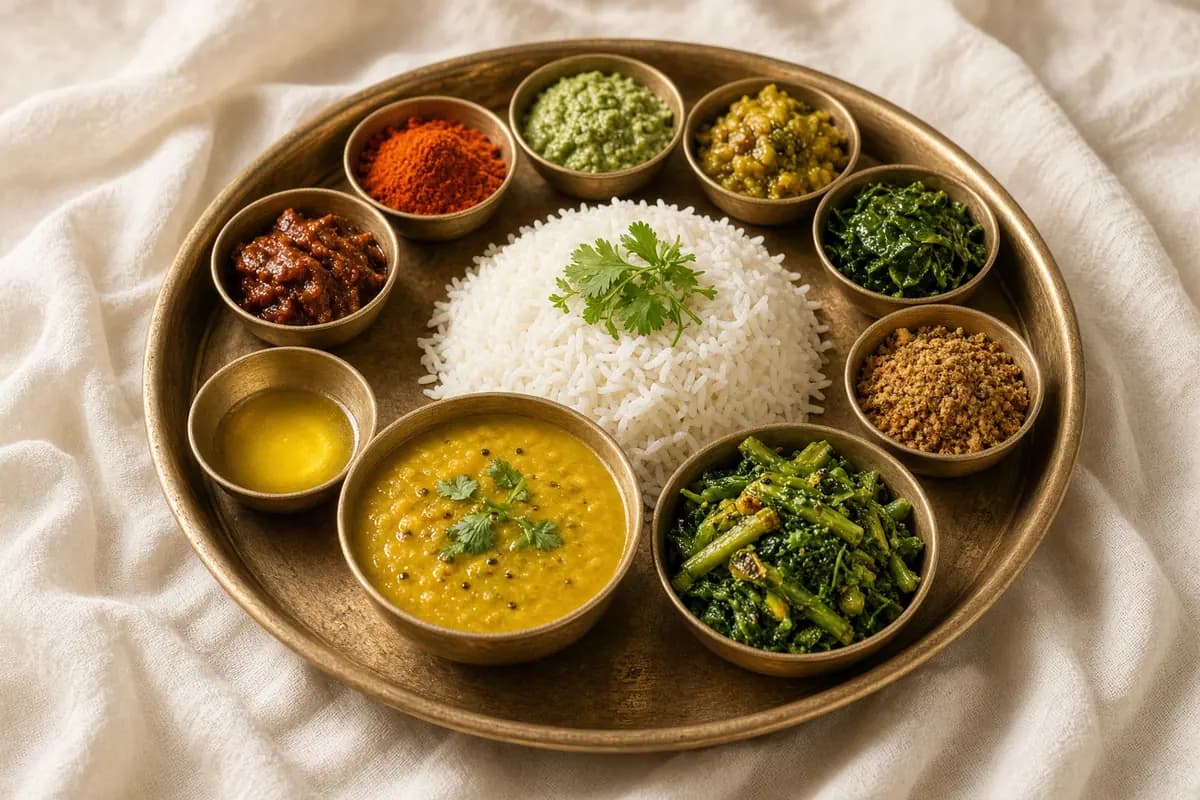
On the same plate, vegetables and dal first, the roti or rice after. A meal-order habit some people find gentler after meals, not a treatment.
Important: this remedy is only a supportive home measure. Keep taking any medicine your doctor has prescribed, monitor your readings, and consult your doctor before adding anything new.
A change of order, not of food
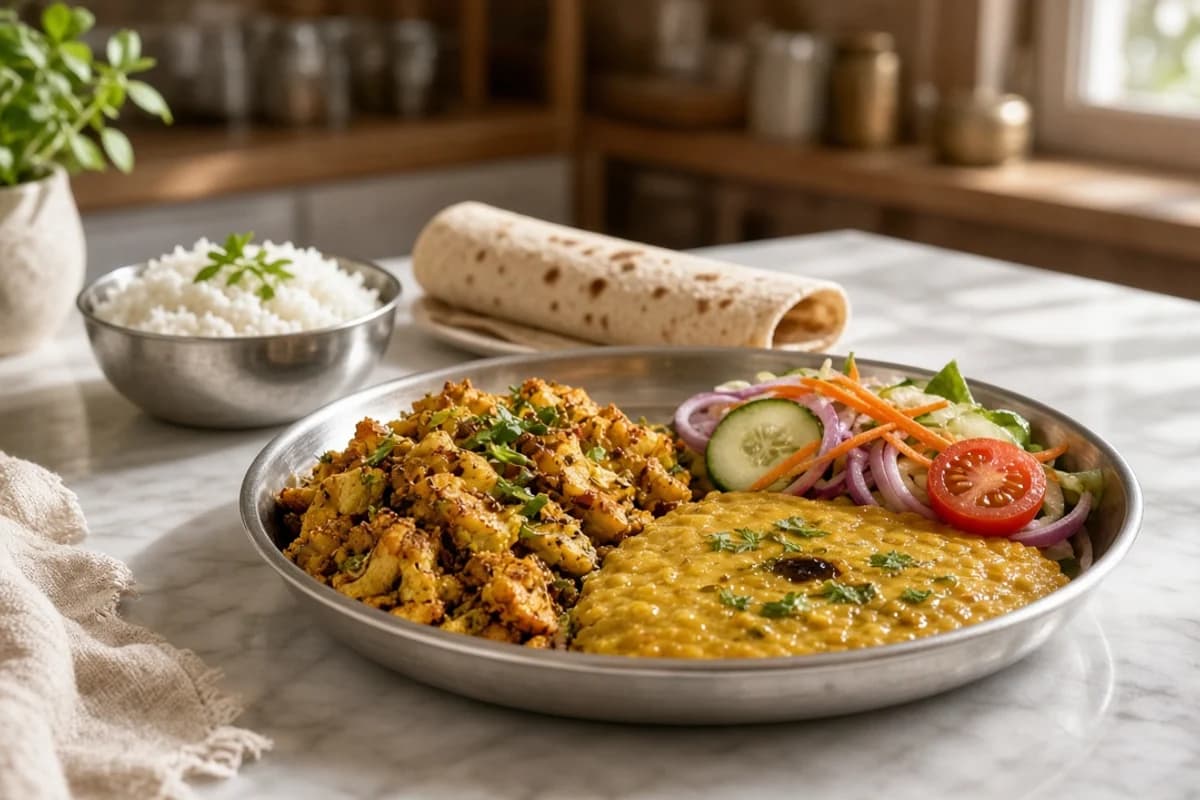
The idea is simple: on the same plate, eat the salad, vegetables and dal first, and the roti or rice after. Some studies of meal order suggest a gentler rise in blood sugar after the meal, and many people find it makes them feel full sooner. It is a habit, not a treatment, and the effect is modest.
It works best with a balanced plate where vegetables take up half. If you take diabetes medicine, do not change the amount or timing on your own. A meal-order change is good to mention to your doctor. It is not for people who need to gain weight.
Ingredients
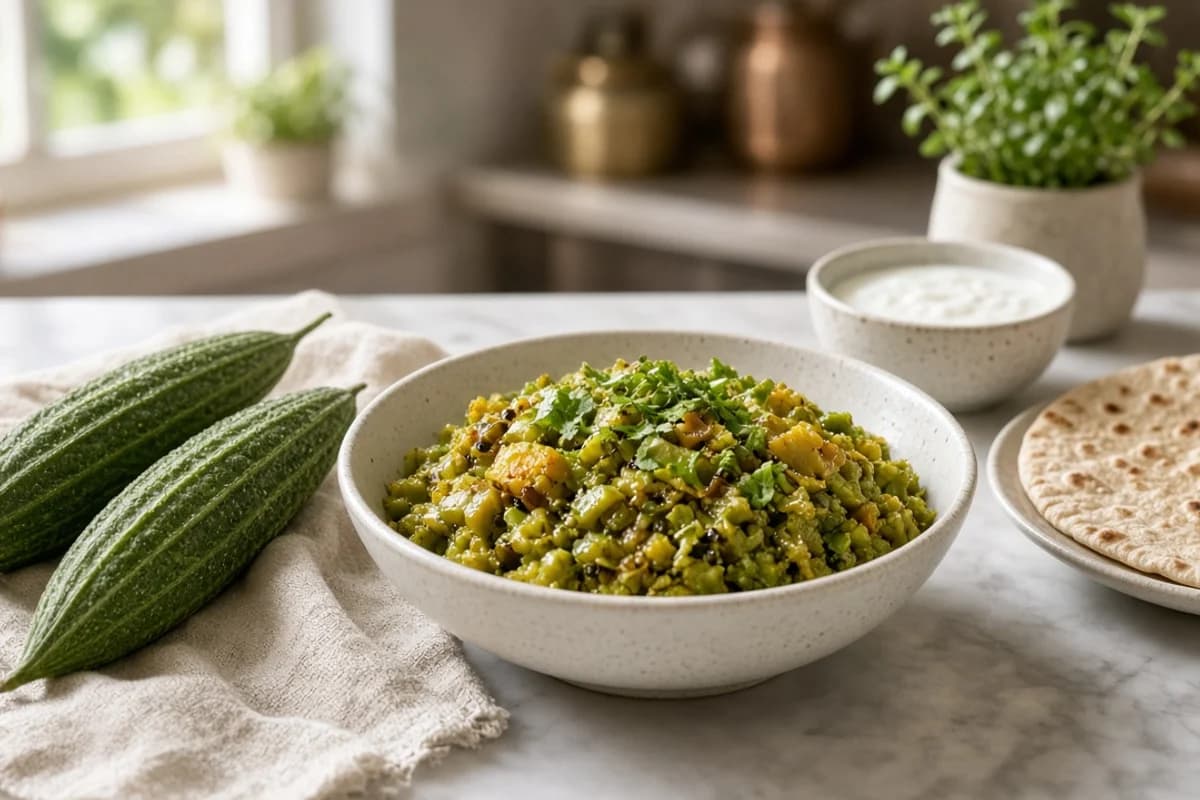
- A plate with salad, vegetables and dal
- 1 roti or a small portion of rice
- A glass of water
How to prepare
- Serve vegetables, dal and salad first and keep the roti or rice at the edge.
- Start eating from the vegetable side.
How to use
- Finish most of the vegetables and dal before the roti or rice.
- Eat slowly and stop when comfortable.
Helpful habits
- Begin the meal with a bowl of salad or a vegetable soup.
- Keep the roti portion modest and chew well.
Precautions
- Do not change your medicine timing or doses because of this habit.
- Mention it to your doctor if you take diabetes medicine.
- A habit with a modest effect, not a treatment.
Frequently asked questions
Does the order really matter?
- Some small studies suggest it helps, but the effect is modest.
Do I need to eat less roti?
- Keep the portion sensible, but this page is about the order.
Can children do it?
- Growing children should eat normally without strict rules.