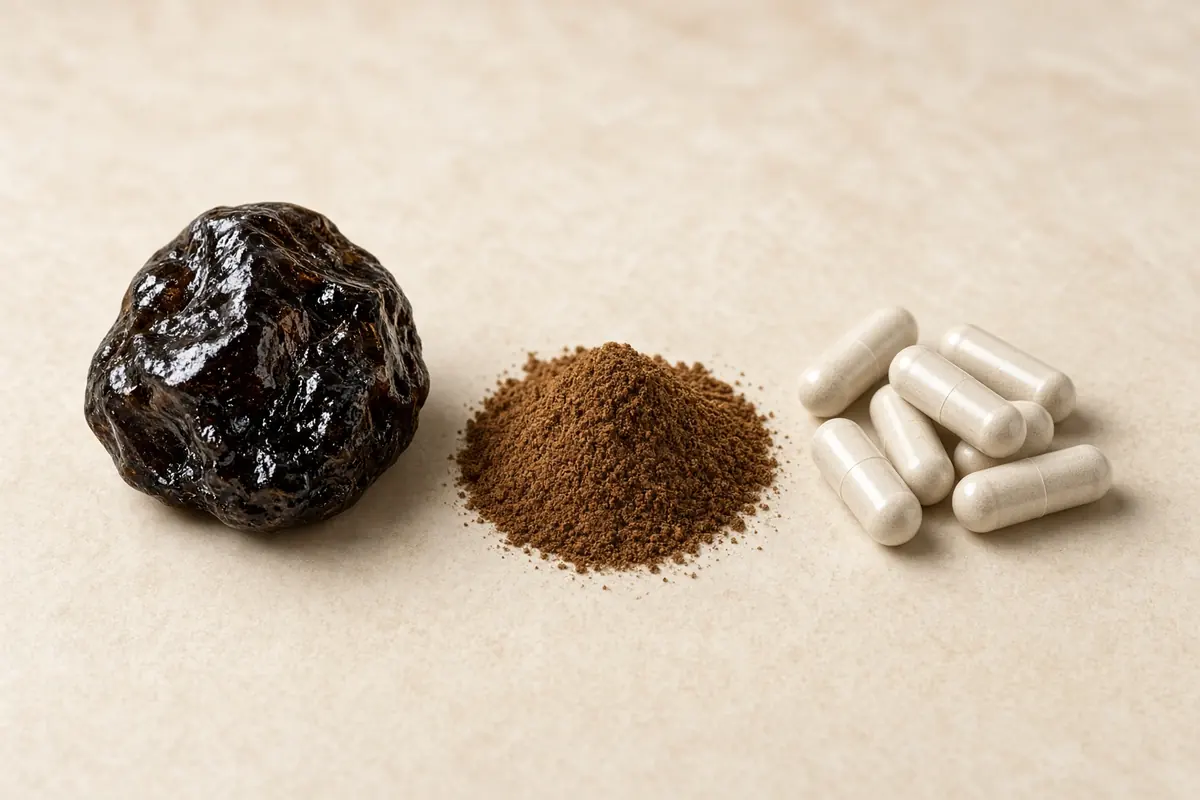
Shatavari and Menopause: What to Know
Shatavari is often suggested for hot flushes and dryness around menopause. What tradition says, what research shows, and how to use it safely.
Important: this remedy is only a supportive home measure. Keep taking any medicine your doctor has prescribed, monitor your readings, and consult your doctor before adding anything new.
Shatavari in everyday Indian homes
Shatavari is an asparagus root that Ayurveda calls a women's rasayana, traditionally taken with milk. Research in people is limited.
Shatavari is Ayurveda's classic rasayana for women. It is traditionally used for cooling and nourishing during menopause. A few small studies of shatavari-containing formulas reported fewer hot flushes, but strong evidence is lacking.
Talk to your doctor about all options for menopause symptoms, including lifestyle changes and medical treatment.
Ingredients
- Shatavari powder or granules
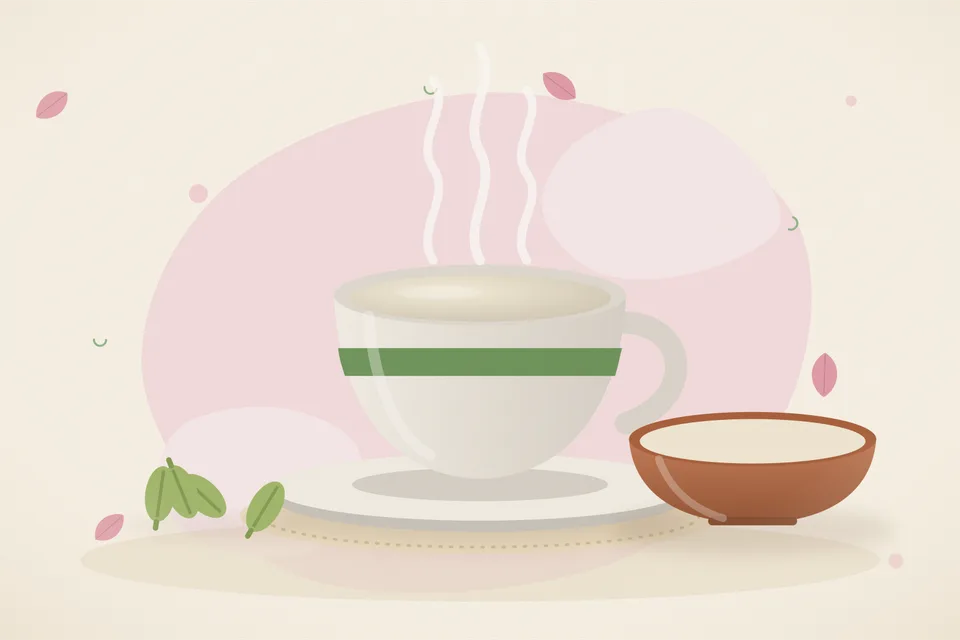
- 1 cup warm milk
How to prepare
- Ask your doctor about dose, often ½ tsp.
- Stir into warm milk.
How to use
- Take at night for up to two or three months, then review.
- Combine with regular exercise, calcium-rich food and good sleep.
Helpful habits
- Choose plain root powder without added sugar.
Precautions
- Avoid with hormone-sensitive conditions such as breast cancer or endometriosis unless your specialist agrees.
- Avoid with hormone-sensitive conditions unless a doctor agrees.
- Stop if you notice bloating or a rash.
- In pregnancy or while breastfeeding, check with your doctor first.
- A home remedy, not a treatment. See a doctor if symptoms last more than a few days or get worse.
Frequently asked questions
Is shatavari a hormone?
- No, but it contains plant compounds whose hormonal effects are not well understood.
Does it help vaginal dryness?
- Evidence is limited; a gynaecologist can suggest proven options.
Can shatavari be taken in water instead of milk?
- Yes, though milk is the traditional choice.