Weight10 min
Steady weight loss the Ayurvedic way: warm water, early dinner and daily walks
Forget ‘lose 10 kg in 10 days’. Ayurveda's approach to healthy weight is slow and sustainable: warm water, a hearty lunch and light early dinner, daily movement and fewer snacks. Small habits, kept for months, do the real work.

The Ayurvedic view
Excess weight is seen in Ayurveda as kapha and meda (fat tissue) accumulating when digestion is sluggish and activity is low. The approach is to kindle agni and lighten the diet — warm, freshly cooked food, bitter and pungent tastes, less sugar, fried food and heavy dairy — and to move every day. There is no single herb that melts fat; routine is the remedy.
Ingredients
- Warm water through the day (a flask helps)
- A thumb of fresh ginger or a pinch of dry ginger for morning tea (optional)
- Comfortable shoes for a daily 30–45 minute walk
How to prepare
- Fill a flask with warm water in the morning.
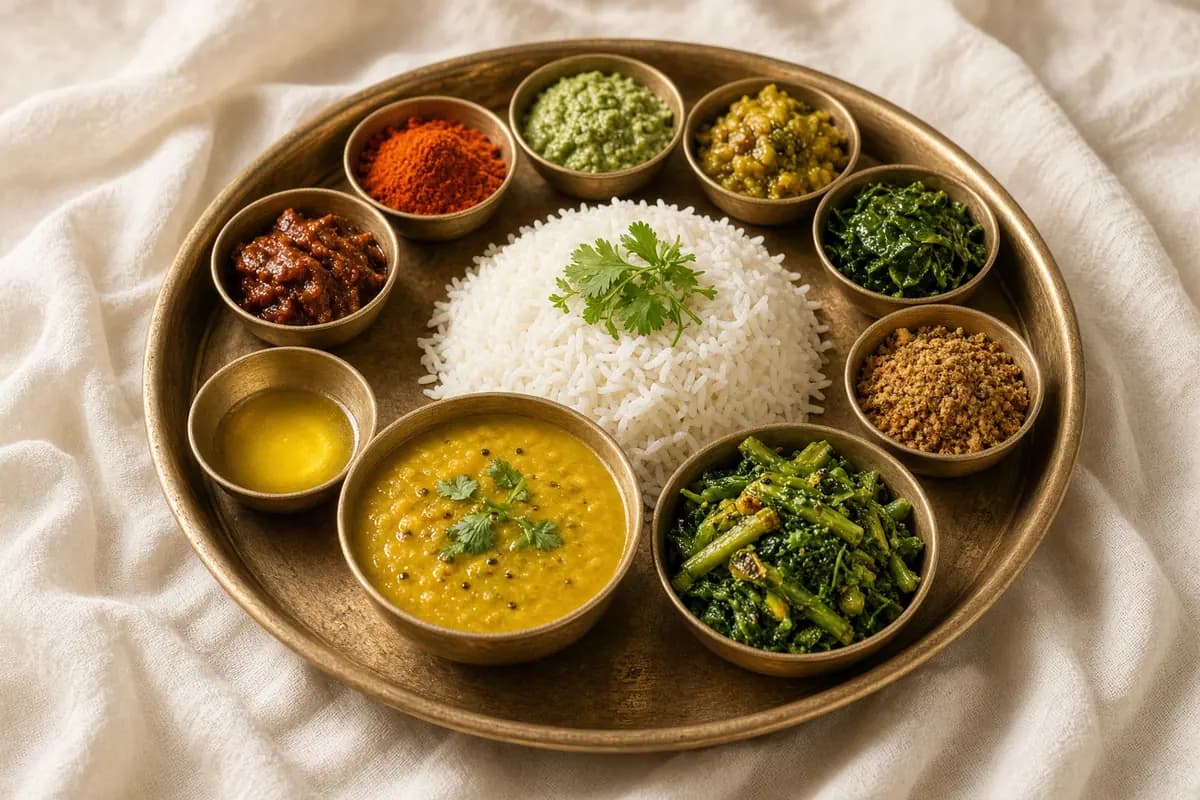
- Plan meals: lunch as the main meal with dal, vegetables, salad and a moderate portion of roti or rice; dinner light (soup, khichdi, sabzi with one roti) by 7:30–8 pm.
How to use
- Start the day with a glass of warm water; sip warm water instead of sugary drinks.
- Walk briskly for 30–45 minutes daily, plus a 10-minute stroll after meals.
- Keep a gap of 3–4 hours between meals; avoid grazing on snacks.
- Aim to lose about 0.5–1 kg a week at most.
Helpful habits
- Fill half the plate with vegetables and salad.
- Cut back on sugar, sweets, bakery items, fried snacks and packaged juices.
- Sleep 7–8 hours — poor sleep increases hunger.
- Track waist size as well as weight.
Precautions
- Avoid crash diets, long fasts or ‘fat-burner’ products; they can cause weakness, gallstones and weight regain.
- If you have diabetes, BP, thyroid or heart disease, are pregnant or take regular medicines, plan diet and exercise changes with your doctor.
- Unexplained weight gain with fatigue, swelling, or irregular periods should be checked for thyroid or hormonal causes.