Shilajit for fatigue and tiredness: traditional use and when to check your health
How shilajit is traditionally used for tiredness, what early research on fatigue suggests, and the medical causes of fatigue you should rule out first.

Published 7 October 2026 · 3 min read
"I feel tired all the time" is one of the most common health complaints. Shilajit has a long traditional record here, but tiredness also deserves a proper check.
Traditional use
Ayurveda sees long-term fatigue as a sign of low ojas and weak agni. Rasayanas like shilajit, ashwagandha and chyawanprash are traditionally used to rebuild strength slowly, with warm milk and nourishing food.
Early research
In animal studies of chronic fatigue, shilajit appeared to reduce markers of tiredness and support energy production in cells. These results have not been confirmed in good human trials yet.
How people use it for tiredness
- A pea-sized piece in warm milk in the morning
- Daily for 4–8 weeks, then a break (follow your doctor's advice)
- Along with regular meals, sleep and gentle exercise like walking or yoga
Rule these out first
- Anaemia (low haemoglobin)
- Thyroid problems
- Vitamin B12 or vitamin D deficiency
- Diabetes
- Depression or long-term stress
- Sleep apnoea (loud snoring, waking tired)
If fatigue lasts more than a few weeks, see a doctor before adding supplements.
How to take shilajit (general guide)
- Take a rice-grain to pea-sized piece of resin (about 300–500 mg) once a day, or follow your label dose.
- Dissolve it in a cup of warm (not boiling) water or milk and stir for a minute or two.
- Most people take it in the morning, after a light breakfast.
- Start low in the first week and stop if it does not suit you.
- Always use a clean, dry spoon so moisture does not get into the jar.
Related shilajit guides
- Shilajit for energy
- Shilajit for iron and anaemia
- Shilajit and ashwagandha together
- How to take shilajit with warm milk
- Shilajit benefits
- Complete shilajit guide
Doctor's note
This page shares traditional Ayurvedic use and a summary of published research; it is not medical advice. Consult a qualified doctor or Ayurvedic physician (BAMS) before taking shilajit, especially if you are pregnant or breastfeeding, under 18, have a heart condition, high or low blood pressure, gout or high uric acid, iron overload (haemochromatosis), kidney or liver disease, or take regular medicines. Do not stop prescribed medicine. Read who should not take shilajit and shilajit side effects.
Frequently asked questions
Can shilajit help with tiredness?
- Ayurveda traditionally uses shilajit as a rasayana for tiredness and low energy. Animal studies are encouraging, but human evidence is limited. Rule out medical causes first.
How long should I take shilajit for fatigue?
- Traditionally for a few weeks at a time. A common pattern is 4–8 weeks, then a break, but follow your doctor's advice.
Should I take shilajit with ashwagandha for fatigue?
- This combination is traditional for strength and stress. Check with a doctor if you take thyroid, diabetes or BP medicines.
Shilajit guides
Benefits, how to take it, pure vs fake, forms, side effects and price — in plain language.
- Shilajit benefits: what Ayurveda traditionally uses it forWhat shilajit is, the benefits Ayurveda traditionally describes — strength, stamina, energy and vitality — and the honest limits of what a supplement can do.
- How to take shilajit resin: dose, timing and the right wayA step-by-step guide to taking shilajit resin — how much, when, with water or milk, how long to continue, and the common mistakes to avoid.
- How to identify original (pure) shilajit: home checks and label checksSimple home checks for pure shilajit resin, why they are only rough guides, and the label and seller checks that matter most.
- Shilajit resin vs capsule vs powder: which form should you choose?An honest comparison of shilajit resin, capsules, powder and gummies — processing, dosing, convenience and what to check on each label.
- Shilajit side effects: precautions and who should avoid itPossible side effects of shilajit, who should not take it or should check with a doctor first, and simple ways to use it more safely.
- Shilajit price in India: how to compare and what to look forHow to compare shilajit prices fairly — per gram and per day — why very cheap shilajit is a warning sign, and what our 10 g resin costs.
Related remedies
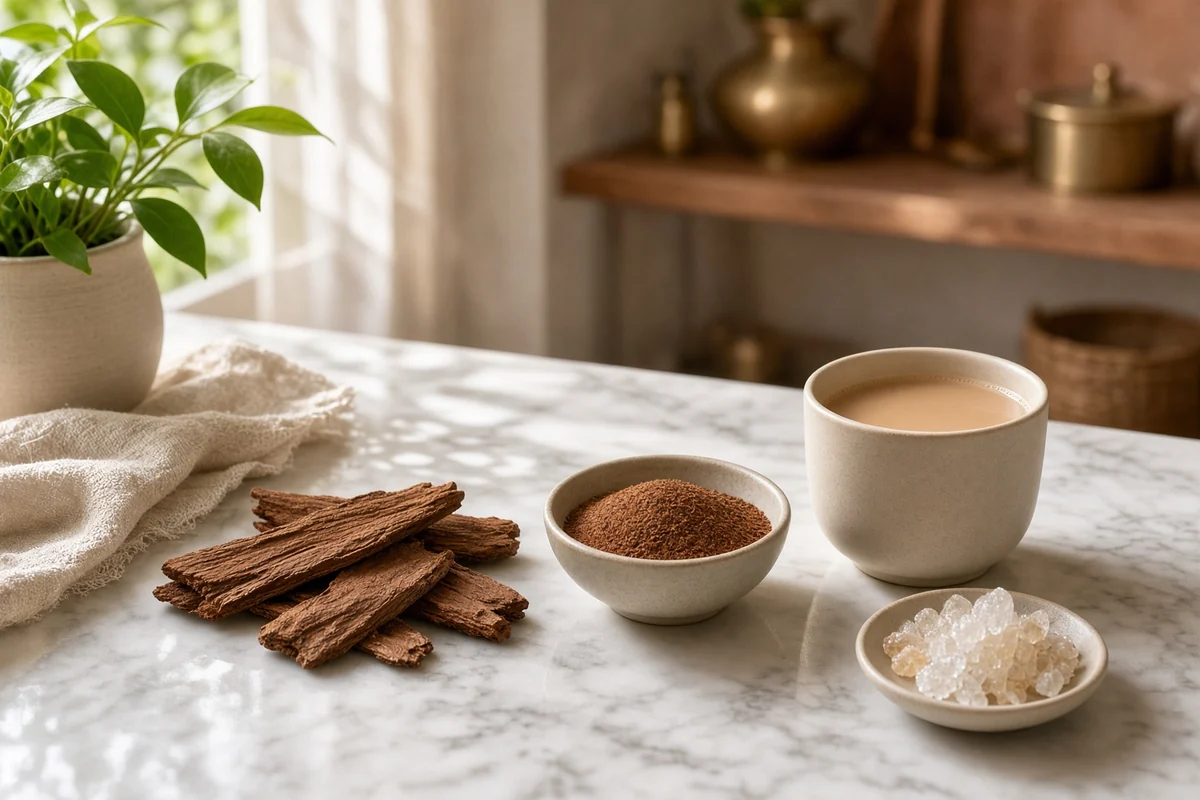 Arjuna bark: Ayurveda's traditional heart herb, and why your cardiologist must knowThe bark of the arjuna tree has been Ayurveda's foremost heart tonic for centuries, traditionally boiled in milk as arjuna ksheerpaka. It's widely used today for heart health, but it's not a substitute for heart medicines and can interact with them.
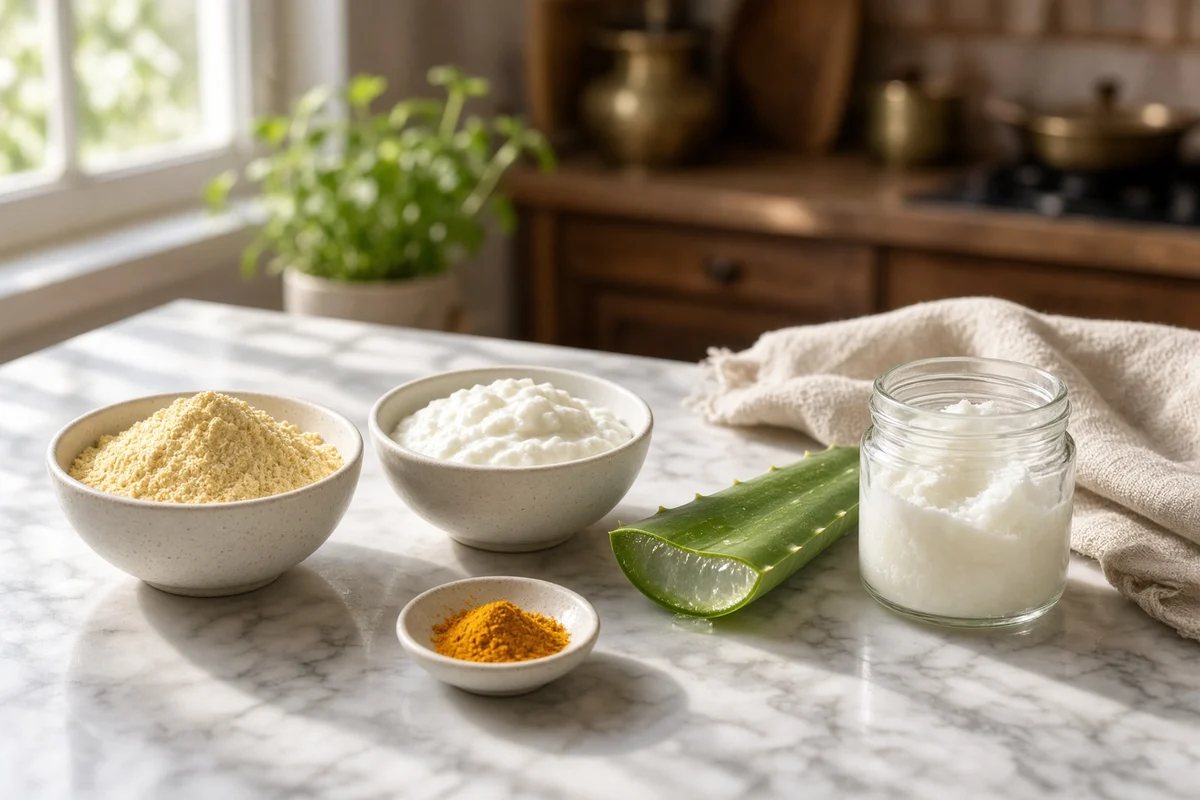 Home remedies for dark neck: gentle besan–curd care and a health check you shouldn't skipA dark, sometimes velvety band around the neck is common and often mistaken for dirt. These home remedies for dark neck — a gentle besan–curd pack, aloe and regular moisturising — can soften and even out the skin. But because a dark neck can be a sign of insulin resistance, it's worth understanding the cause first.
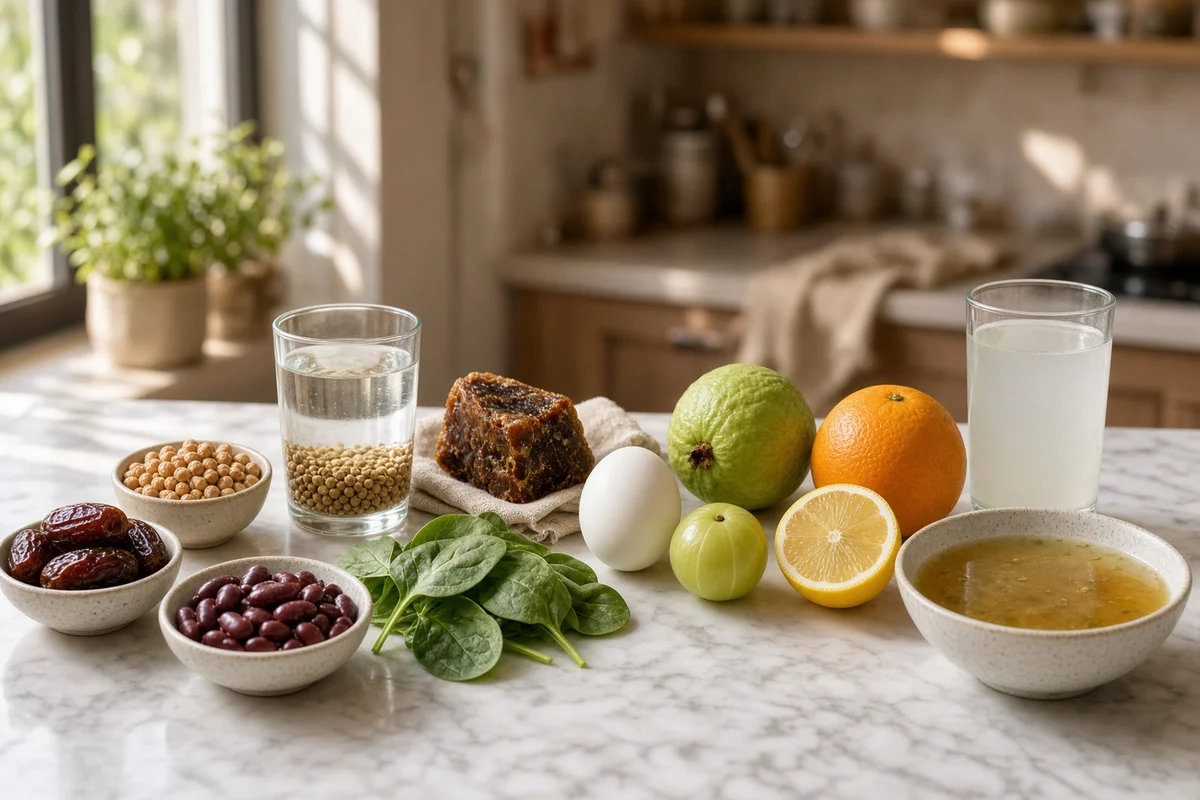 Home remedies for heavy periods: rest, iron-rich food, cooling drinks and when to see a doctorSoaking through pads every hour or two, passing large clots or bleeding for more than seven days can leave you exhausted and anaemic. These home remedies for heavy periods — rest, iron- and vitamin C-rich foods, cooling coriander-seed water and plenty of fluids — support your body during the heavy days, but heavy bleeding always deserves a doctor's check to find the cause.
Related products
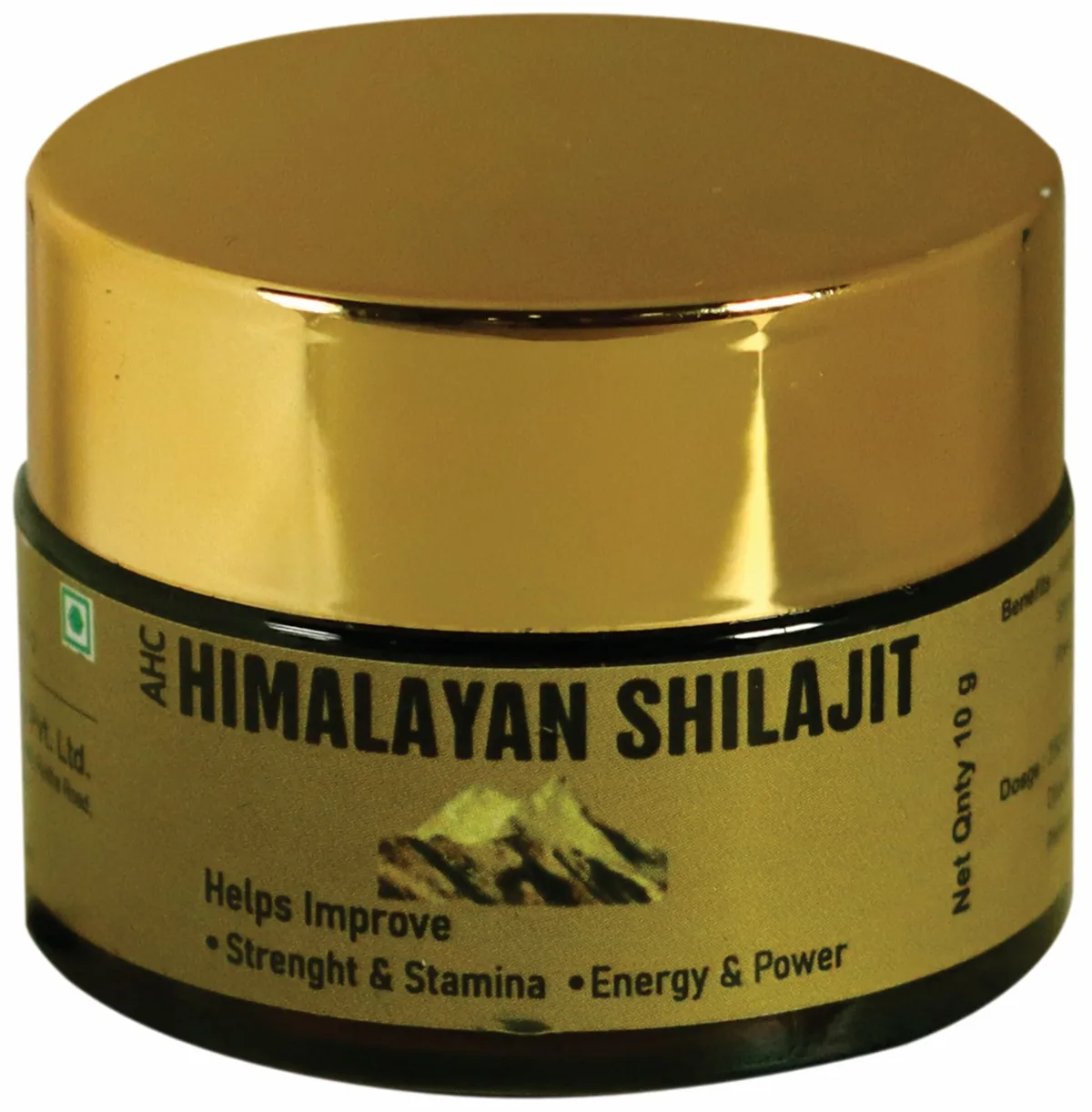
Get a weekly dose of Ayurveda
One seasonal tip, one remedy and one simple habit — every week, in English or Hindi. No spam, unsubscribe any time.