Eye care5 min
Amla in Your Daily Diet for Eye Health
A fresh amla, amla chutney or a spoon of amla with honey each day, a vitamin C-rich food habit that Ayurveda links with healthy eyes.

Using amla sensibly at home
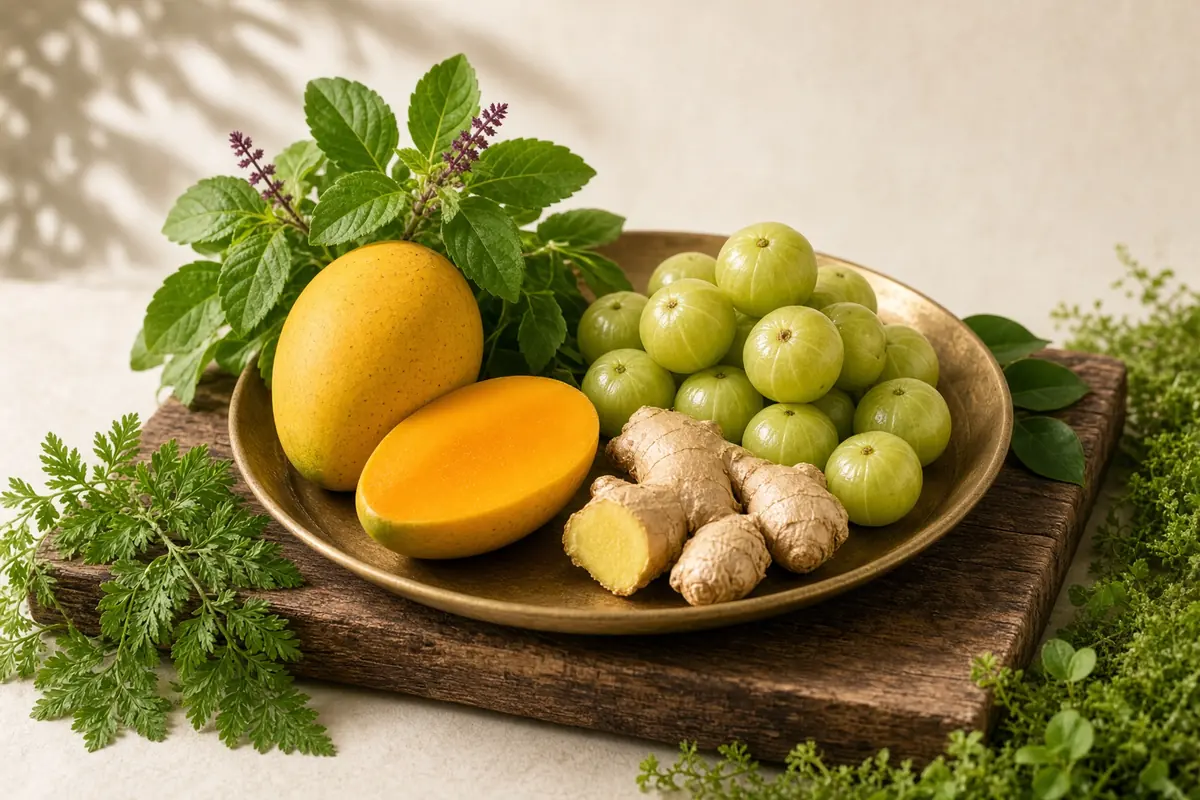
Amla, the Indian gooseberry, is sour, astringent and rich in vitamin C. Ayurveda calls it cooling and uses it in chyawanprash, triphala, murabba and hair oils.
Ayurveda calls amla chakshushya, good for the eyes. In modern terms, amla is rich in vitamin C and antioxidants, nutrients linked with eye health as part of a balanced diet. It is a food habit, not a treatment for any eye condition.
Ingredients
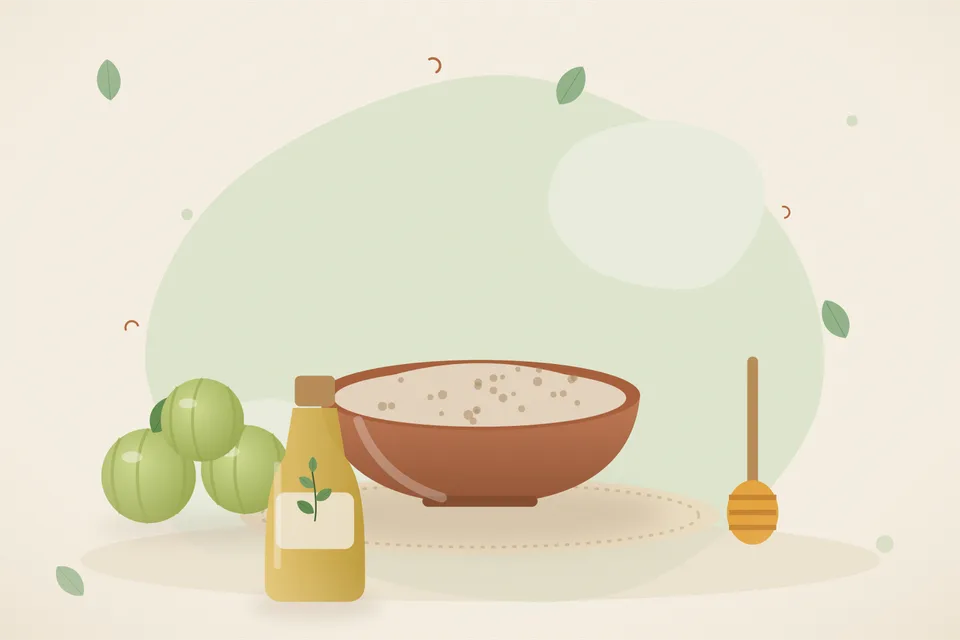
- 1 fresh amla, or 1 tsp amla powder
- 1 tsp honey (optional)
How to prepare
- Cut fresh amla into pieces, or mix the powder with honey.
How to use
- Eat once a day, ideally in the morning.
- Add colourful vegetables, greens and nuts to your meals.
Helpful habits
- Buy firm, pale-green amla in winter and freeze or dry some for later.
Precautions
- People with diabetes should skip honey. Amla can worsen acidity in some people.
- Very sour; on an empty stomach it can trigger acidity in some people.
- Never put homemade liquids or herbs inside the eye. See an eye doctor for pain, redness or vision change.
- Traditional use; scientific evidence is limited. Do not stop prescribed medicine.
Frequently asked questions
Can amla improve my eyesight?
- It cannot correct refractive errors; get your eyes tested.
Is amla juice okay?
- Yes, without added sugar.
Is amla powder as good as fresh amla?
- Powder is convenient; fresh fruit has more vitamin C.