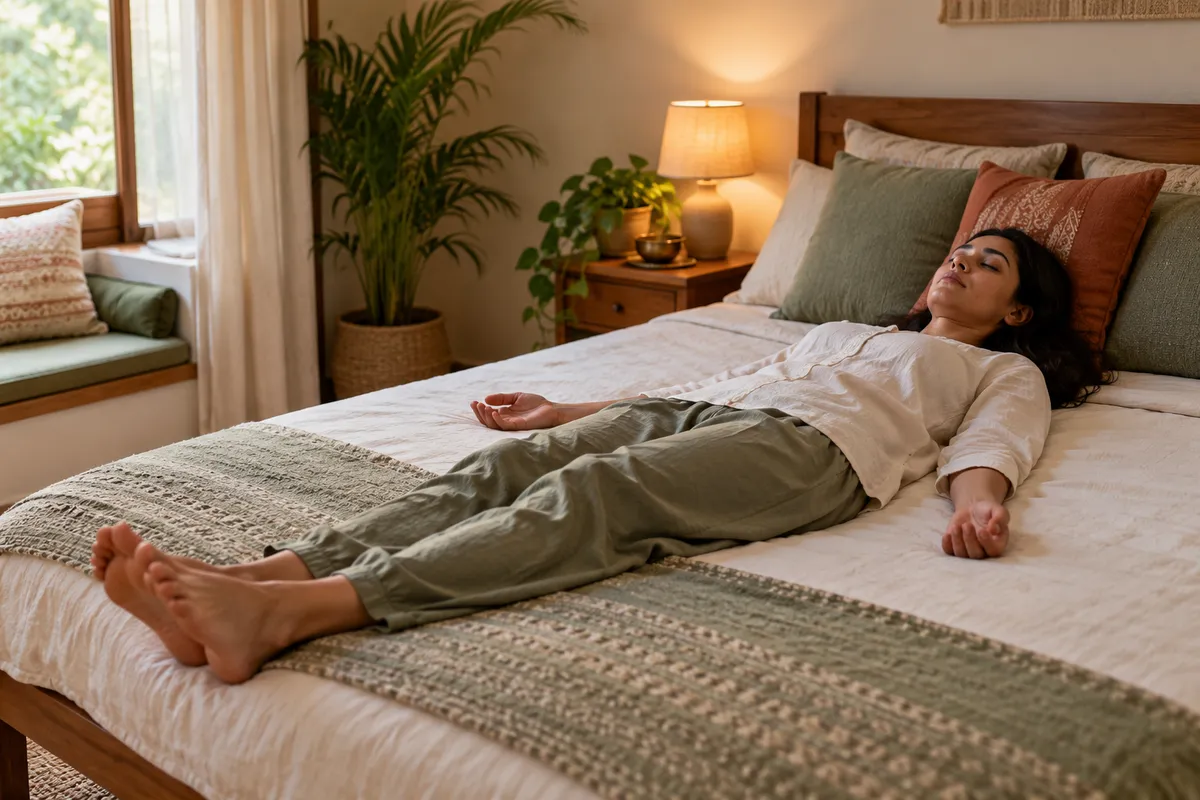
- dim lights before bed
- sleep hygiene
- evening routine
- screen light at night
Evening Light-Dimming Routine for Better Sleep Timing
A practical 45-minute evening light routine covering lamps, screens, safety and consistent sleep timing.
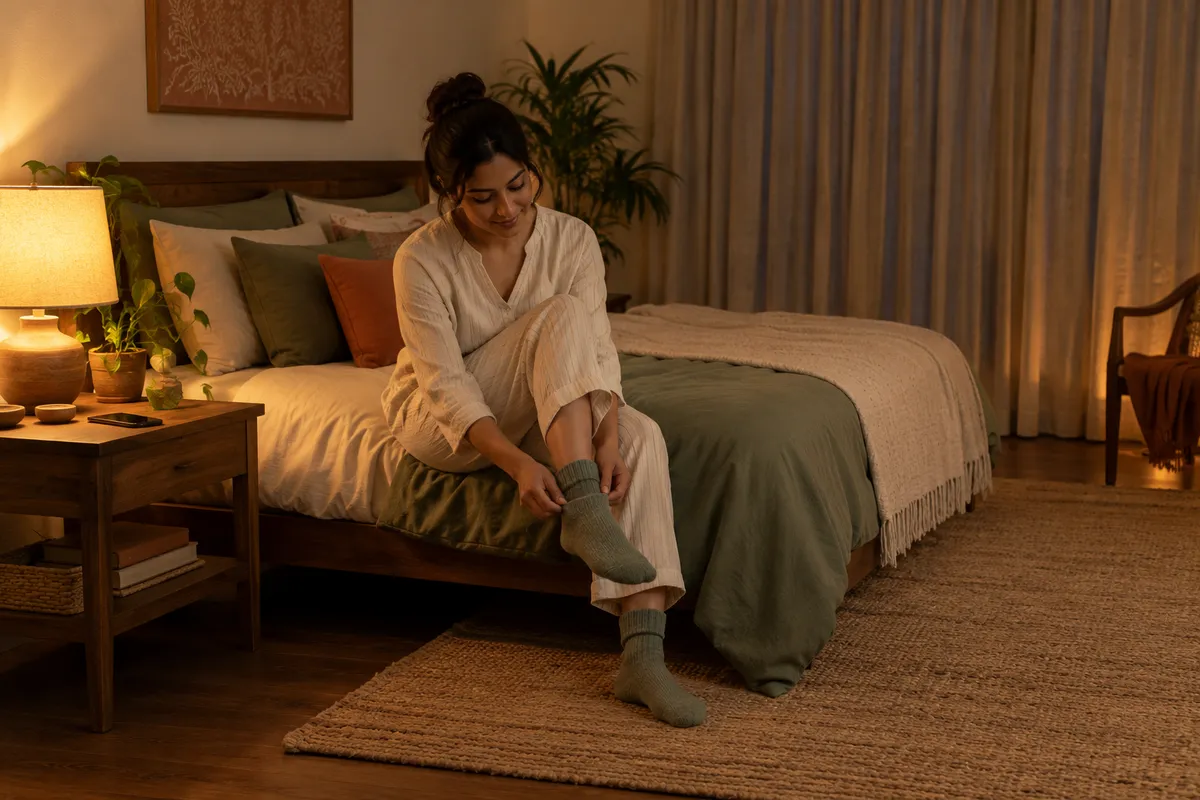
Important: this remedy is only a supportive home measure. Keep taking any medicine your doctor has prescribed, monitor your readings, and consult your doctor before adding anything new.
dim lights before bed: method, benefits and precautions
Adjusting evening lighting can make a room feel more suitable for winding down. It is a household routine rather than a promise to reset hormones or cure insomnia. Plan it around how the space is used, including reading, preparing food, caring responsibilities and safe movement.
Choose a comfortable lower light level for quiet activities while keeping stairs, doorways and bathroom routes clearly visible. A small task light can allow reading without lighting the entire room brightly. Position lamps so that trailing cables, glare or a sudden dark patch do not create a new problem.
If you use a screen, reducing brightness is only one choice. Consider whether the task itself keeps you engaged long after you wanted to stop. Dimming a phone while continuing stressful work is not the same as giving yourself a practical wind-down period. There is no need to buy a special coloured bulb to follow this guide.
Agree changes with anyone sharing the room and avoid compromises that make someone unsafe, particularly with impaired vision or balance. If sleep problems continue, look beyond lighting and seek advice when daytime life is affected. A darker room cannot explain persistent snoring, pain or repeated night waking.
Ingredients
- A dimmable or low-output lamp
- Night settings on essential screens
- A consistent target bedtime
How to prepare
- Choose a comfortable light level for a quiet activity.
- Keep routes and task areas safely lit.
- Review screen activity as well as brightness.
How to use
- Adapt lighting to the household; do not make rooms dangerously dark or follow a compulsory countdown.
Helpful habits
- Safe paths stay visible.
- Special bulbs are optional.
- Consider what the screen is being used for.
Precautions
- Do not darken stairs or walking routes; persistent daytime sleepiness may need evaluation.
- Ask a clinician first if you have allergies, are pregnant, have a long-term condition or take regular medicines.
- Seek urgent care for severe pain, breathing difficulty, fainting, repeated vomiting, bleeding or rapidly worsening symptoms.
Frequently asked questions
Must all lights go off?
- No; safety and practical tasks come first.
Will this cure insomnia?
- No guarantee; persistent problems need a broader review.
Prepared by: All Ayurvedics editorial team
No clinician review is recorded for this page. This is general information, not individual diagnosis or treatment advice.
Responsible site owner/editor: Manoj Singh. Editorial responsibility