Shilajit for brain and memory: fulvic acid research explained
Shilajit's place in Ayurveda's brain-support tradition, what fulvic acid lab research suggests, and why it is not a treatment for memory loss or dementia.
Published 7 October 2026 · 3 min read
Students, professionals and older adults all search for shilajit and memory. Here is what is known.
Traditional view
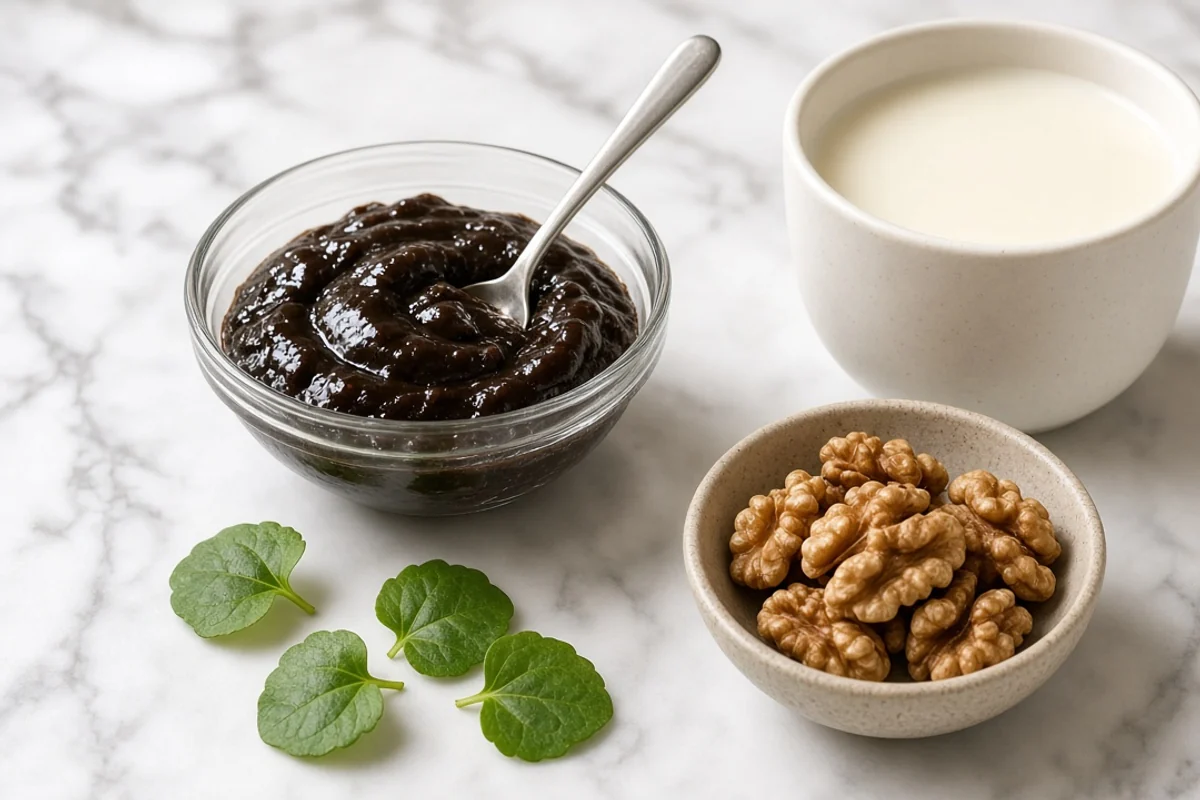
Ayurveda groups herbs that support the mind as medhya rasayanas — brahmi, shankhpushpi, mandukaparni and others. Shilajit is a general rasayana, sometimes combined with these, and is traditionally taken with milk to support mental energy.
What research suggests
Laboratory studies found that fulvic acid can reduce clumping of tau protein, which is linked with Alzheimer's disease. Researchers have suggested shilajit as a possible area for future dementia research. No human trials show that shilajit improves memory or prevents dementia.
Practical brain support
- Sleep 7–8 hours — memory is consolidated during sleep.
- Regular exercise improves blood flow to the brain.
- Learn new skills, read and stay socially active.
- Keep BP, sugar and cholesterol in check — they protect the brain.
- If you want to use shilajit, a small morning dose in milk is the traditional way.
When to see a doctor
New forgetfulness, confusion, getting lost or personality changes in an older person need a medical check. Some causes (B12 deficiency, thyroid, depression, medicine side effects) are treatable.
How to take shilajit (general guide)
- Take a rice-grain to pea-sized piece of resin (about 300–500 mg) once a day, or follow your label dose.
- Dissolve it in a cup of warm (not boiling) water or milk and stir for a minute or two.
- Most people take it in the morning, after a light breakfast.
- Start low in the first week and stop if it does not suit you.
- Always use a clean, dry spoon so moisture does not get into the jar.
Related shilajit guides
- Shilajit for healthy ageing
- Shilajit and fulvic acid
- Shilajit for energy
- Shilajit and ashwagandha together
- Shilajit benefits
- Complete shilajit guide
Doctor's note
This page shares traditional Ayurvedic use and a summary of published research; it is not medical advice. Consult a qualified doctor or Ayurvedic physician (BAMS) before taking shilajit, especially if you are pregnant or breastfeeding, under 18, have a heart condition, high or low blood pressure, gout or high uric acid, iron overload (haemochromatosis), kidney or liver disease, or take regular medicines. Do not stop prescribed medicine. Read who should not take shilajit and shilajit side effects.
Frequently asked questions
Does shilajit improve memory?
- There are no human trials showing it does. Lab studies on fulvic acid are interesting, and Ayurveda uses it as a general rasayana, sometimes with brain-supporting herbs like brahmi.
Can shilajit prevent Alzheimer's?
- No. Lab research suggests possible directions for study, but shilajit does not prevent or treat Alzheimer's or dementia.
Can students take shilajit?
- Healthy adult students can at the label dose. It is not suitable for children under 12, and sleep and study habits matter far more.
Shilajit guides
Benefits, how to take it, pure vs fake, forms, side effects and price — in plain language.
- Shilajit benefits: what Ayurveda traditionally uses it forWhat shilajit is, the benefits Ayurveda traditionally describes — strength, stamina, energy and vitality — and the honest limits of what a supplement can do.
- How to take shilajit resin: dose, timing and the right wayA step-by-step guide to taking shilajit resin — how much, when, with water or milk, how long to continue, and the common mistakes to avoid.
- How to identify original (pure) shilajit: home checks and label checksSimple home checks for pure shilajit resin, why they are only rough guides, and the label and seller checks that matter most.
- Shilajit resin vs capsule vs powder: which form should you choose?An honest comparison of shilajit resin, capsules, powder and gummies — processing, dosing, convenience and what to check on each label.
- Shilajit side effects: precautions and who should avoid itPossible side effects of shilajit, who should not take it or should check with a doctor first, and simple ways to use it more safely.
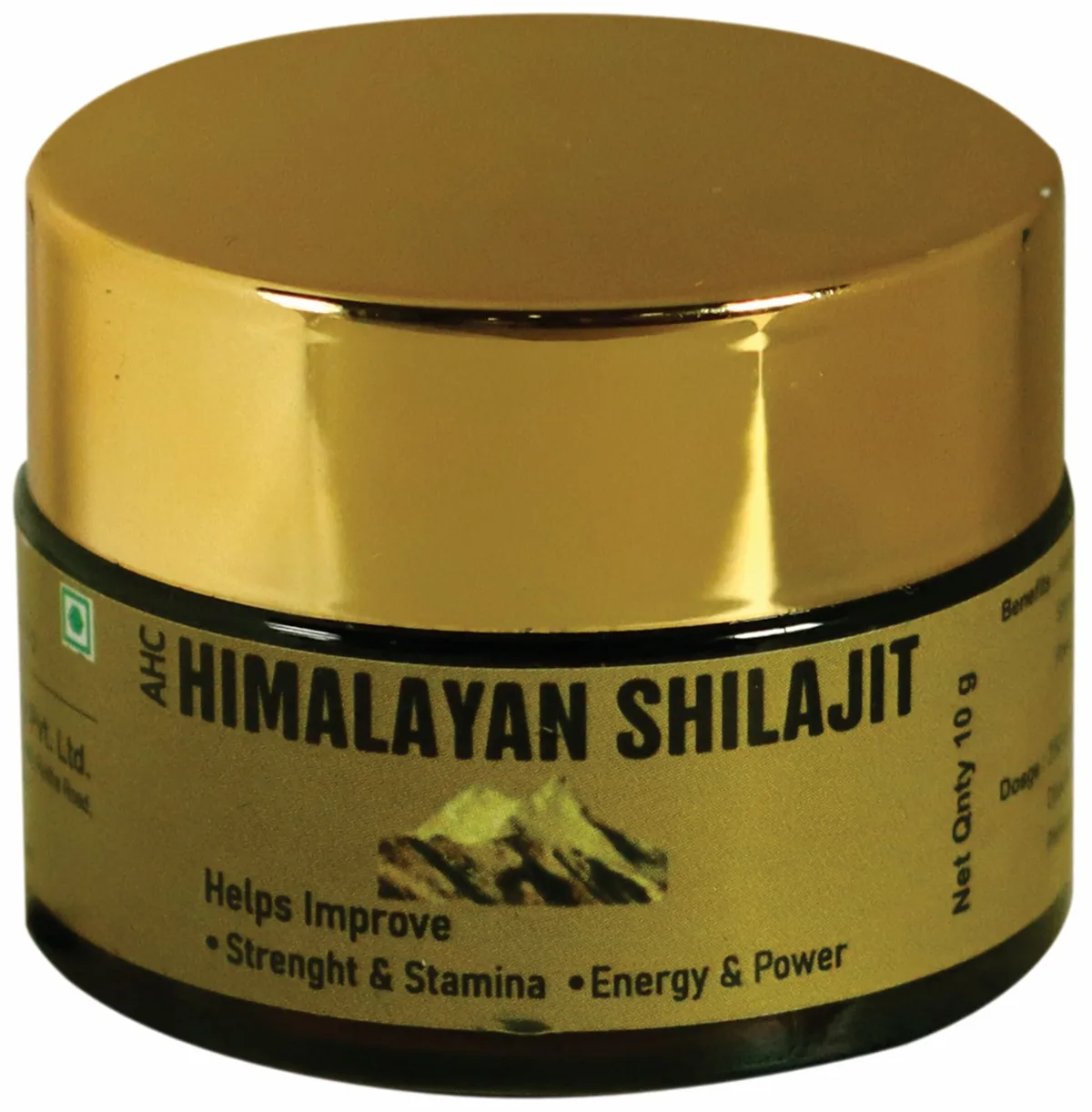
- Shilajit price in India: how to compare and what to look forHow to compare shilajit prices fairly — per gram and per day — why very cheap shilajit is a warning sign, and what our 10 g resin costs.
Related remedies
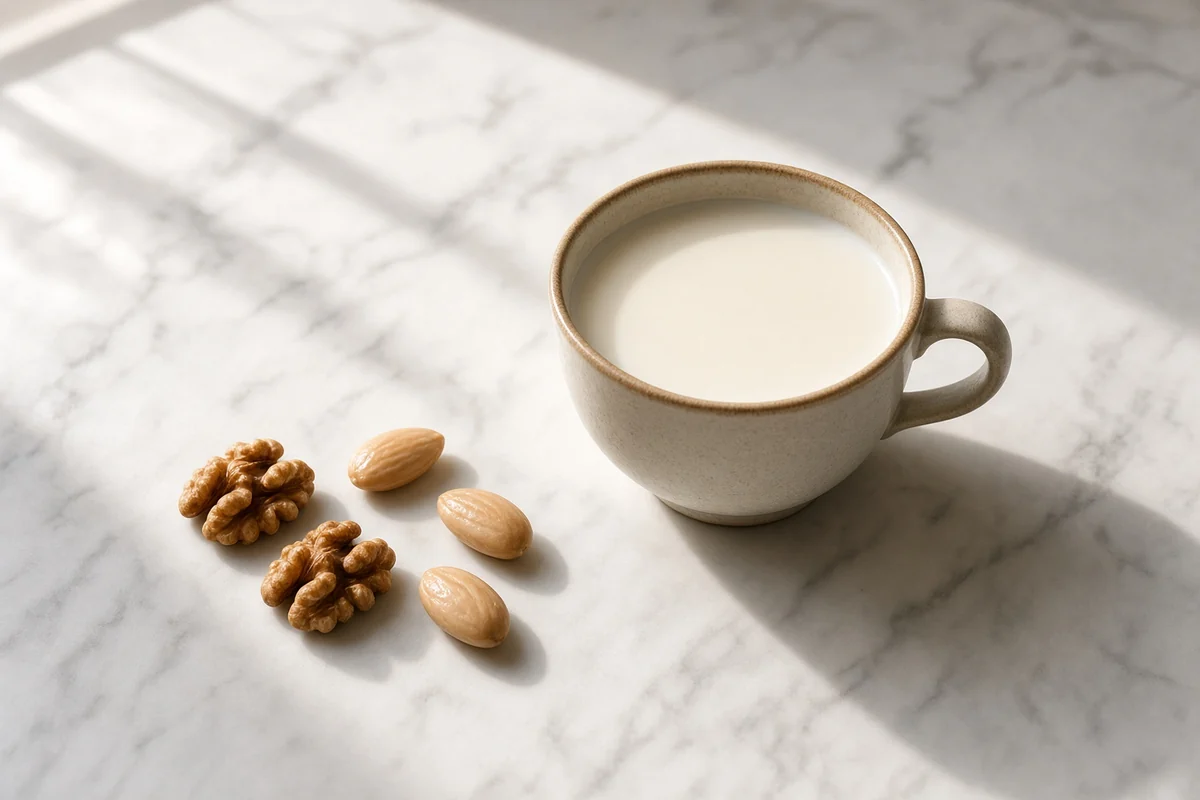 A morning routine for focus and memory: walnuts, pranayama and sunlightStudents before exams and professionals juggling deadlines both want a sharper mind. There's no magic pill, but a few soaked walnuts, a short breathing practice, morning light and good sleep make a noticeable difference over weeks.
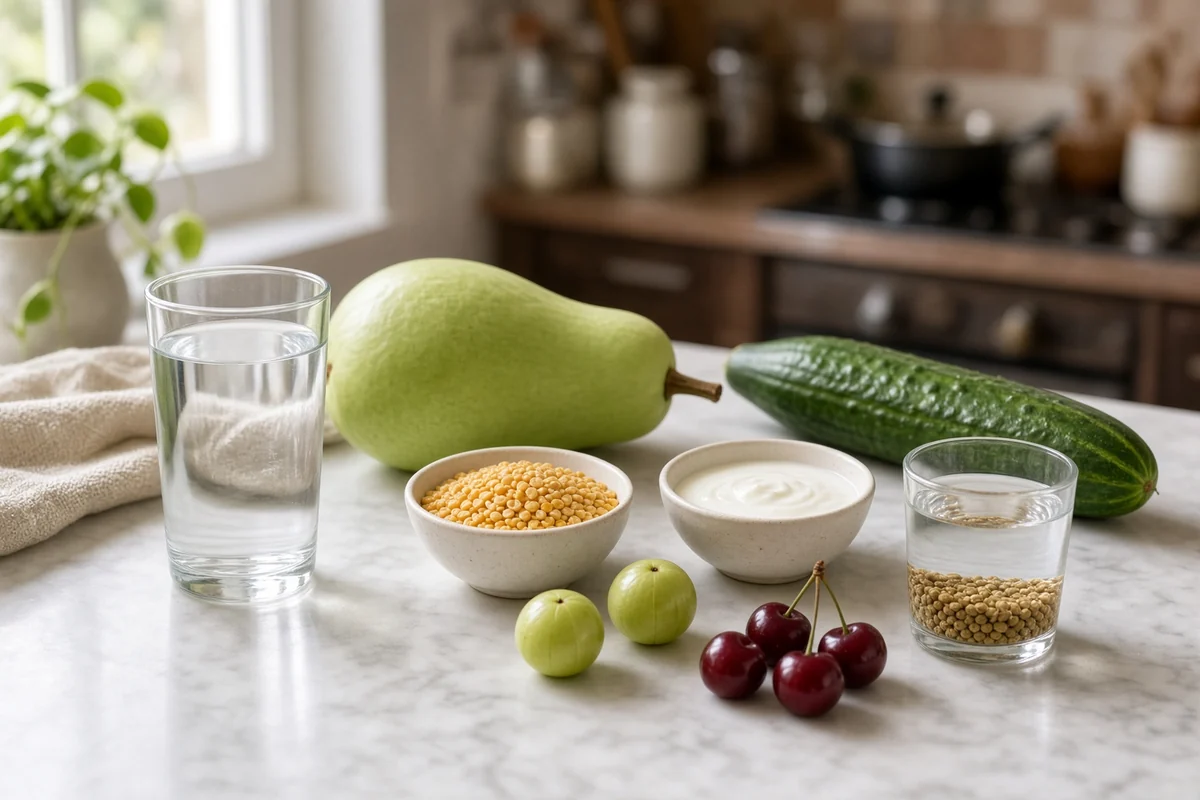 High uric acid and gout: food and lifestyle habits that helpHigh uric acid can crystallise in joints and cause sudden, very painful gout attacks, often in the big toe. Along with medical treatment, plenty of water, less alcohol and sugary drinks, moderate portions of high-purine foods and healthy weight make a real difference.
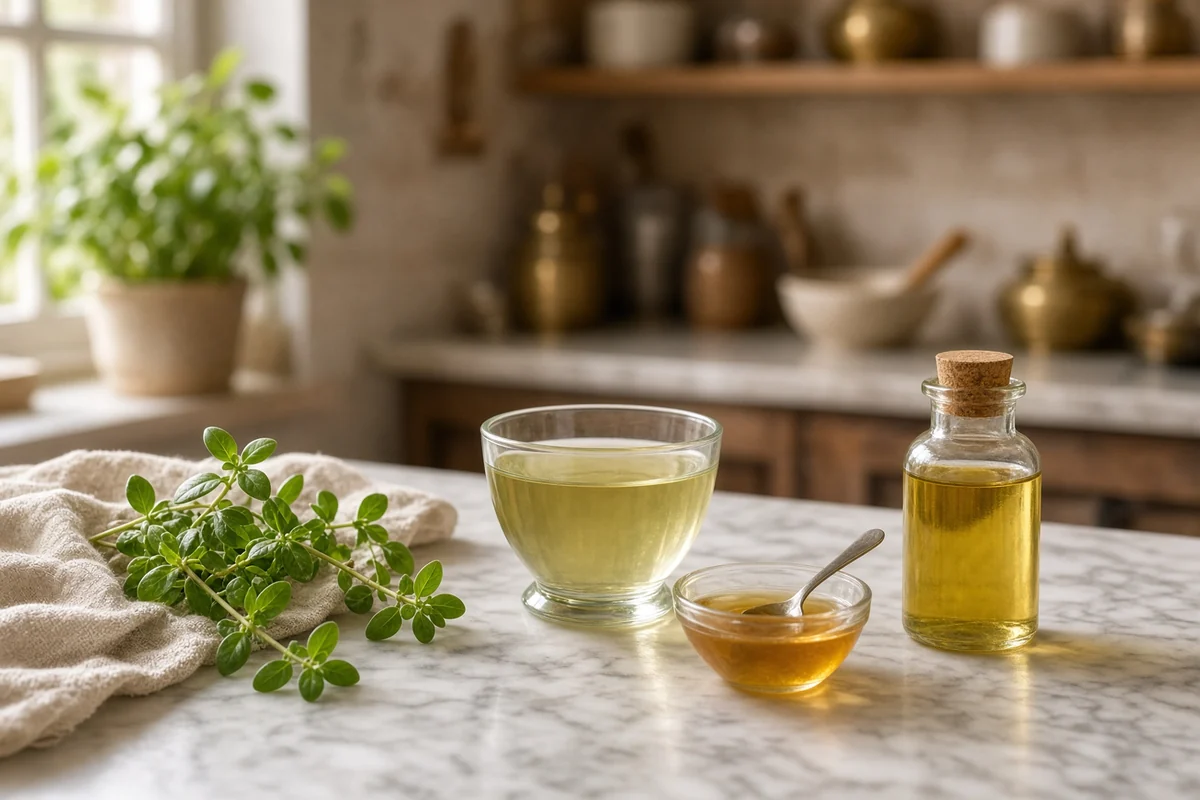 Brahmi: the memory herb — tea, oil massage and knowing which plant is whichBrahmi is Ayurveda's most famous medhya (mind-nourishing) herb, used for memory, concentration and calm. It's taken as a mild tea or ghee preparation and used as a cooling head-massage oil. Two different plants go by the name, so it helps to know which you're buying.
Related products
Get a weekly dose of Ayurveda
One seasonal tip, one remedy and one simple habit — every week, in English or Hindi. No spam, unsubscribe any time.