Shilajit label and lab report: what to check before you buy
A checklist for reading a shilajit label and lab report: licence, batch, heavy metals, microbial limits, fulvic acid and the red flags to avoid.
Published 7 October 2026 · 3 min read
Home tests can't tell you if shilajit is safe. The label and a lab report can.
Label checklist (India)
- Product name and "Ayurvedic Proprietary Medicine" or similar category
- Manufacturing licence number (issued by the state AYUSH licensing authority)
- Manufacturer's full name and address
- Batch number, manufacturing date and expiry date
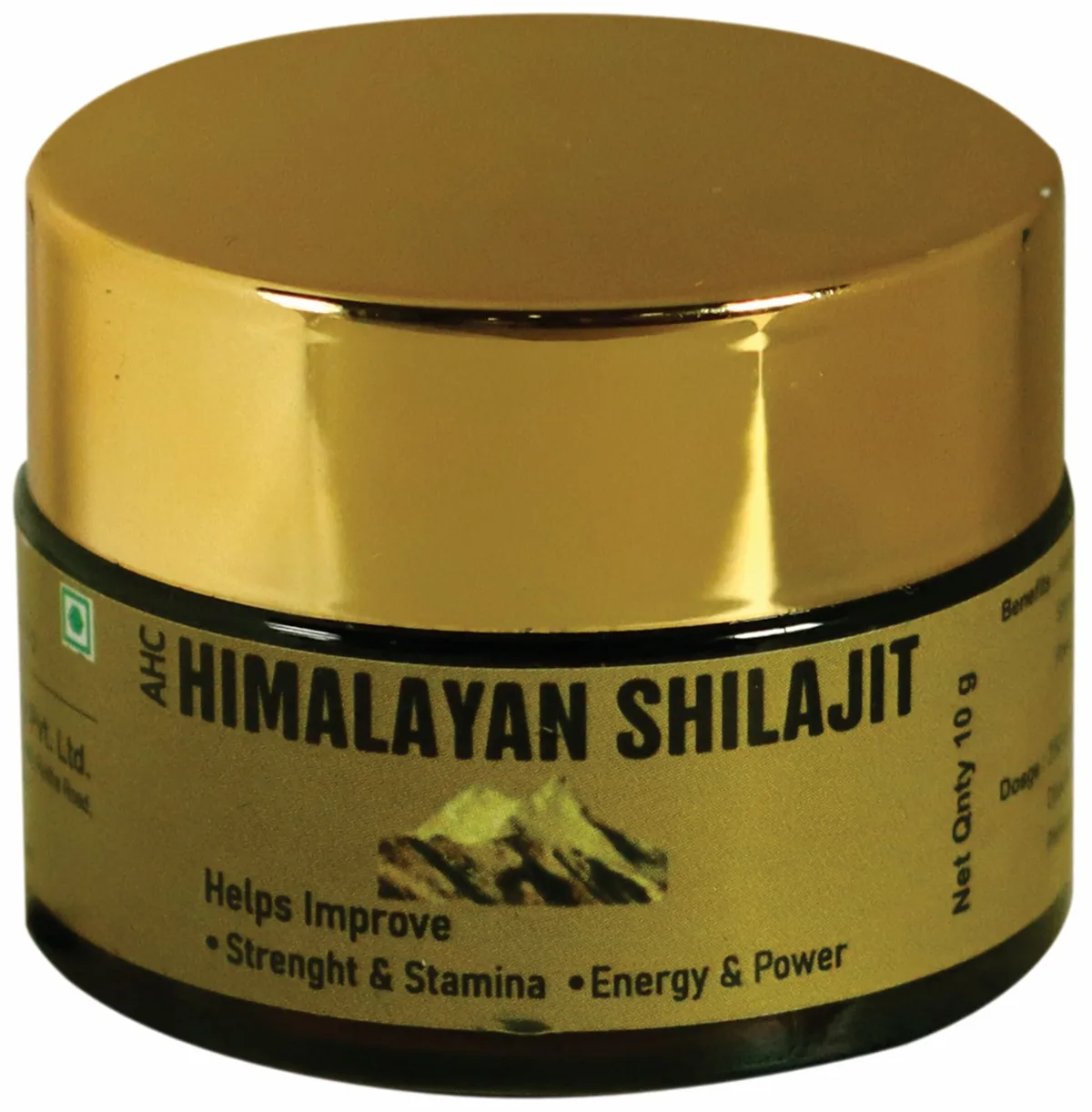
- Net quantity (g) and dose per day
- Ingredients and amount of shilajit per dose
- Precautions and "use under medical supervision" where applicable
Lab report (Certificate of Analysis) checklist
- Heavy metals: lead, arsenic, mercury and cadmium, with results within permitted limits
- Microbial tests: total bacterial and fungal counts; absence of E. coli, Salmonella and others
- Fulvic acid % (optional quality marker)
- Batch number on the report matches the batch on your jar
- Name of the testing laboratory, ideally NABL-accredited
Red flags
- A report with no batch number, or one that is years old
- Results with no units or limits
- "Lab tested" on the pack but no report available on request
Ask the seller
A good seller can share the batch report by email or WhatsApp. If they refuse or can't, choose another brand.
How to take shilajit (general guide)
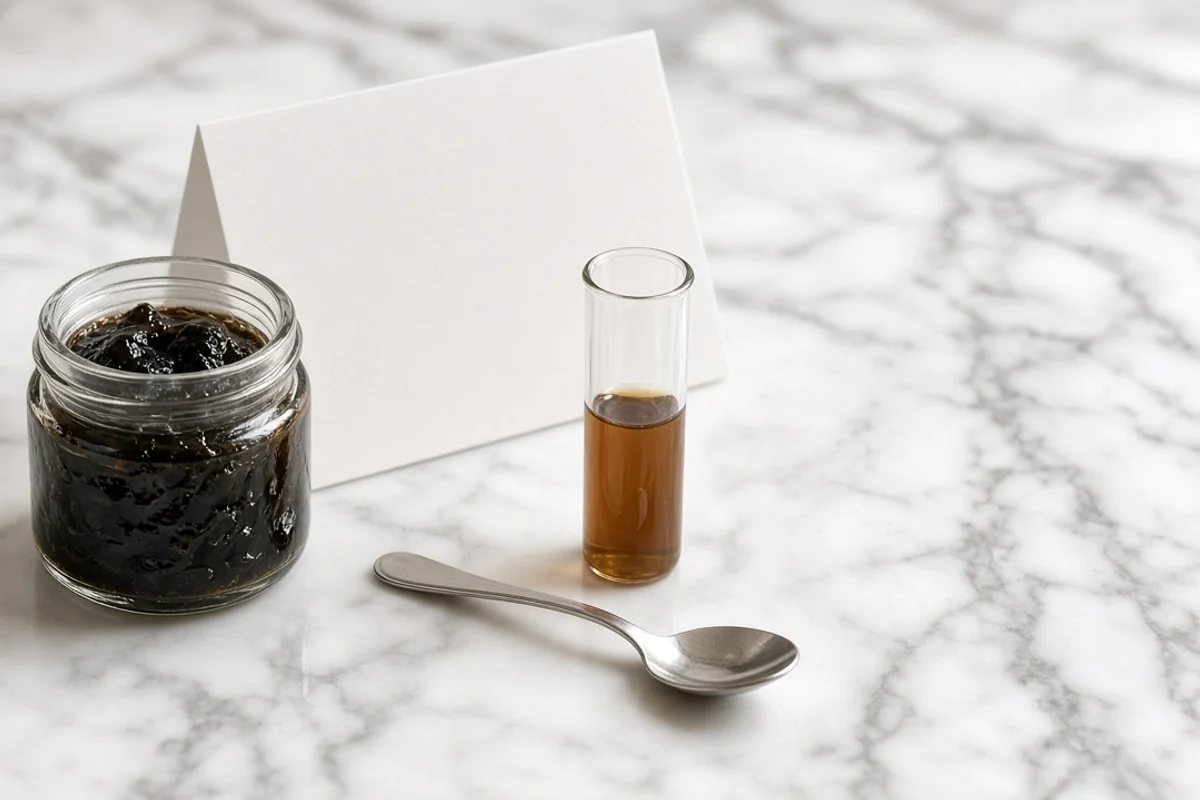
- Take a rice-grain to pea-sized piece of resin (about 300–500 mg) once a day, or follow your label dose.
- Dissolve it in a cup of warm (not boiling) water or milk and stir for a minute or two.
- Most people take it in the morning, after a light breakfast.
- Start low in the first week and stop if it does not suit you.
- Always use a clean, dry spoon so moisture does not get into the jar.
Related shilajit guides
- Fake shilajit
- Purified (shuddh) vs raw shilajit
- Shilajit and fulvic acid
- Shilajit capsules
- Shilajit benefits
- Complete shilajit guide
Doctor's note
This page shares traditional Ayurvedic use and a summary of published research; it is not medical advice. Consult a qualified doctor or Ayurvedic physician (BAMS) before taking shilajit, especially if you are pregnant or breastfeeding, under 18, have a heart condition, high or low blood pressure, gout or high uric acid, iron overload (haemochromatosis), kidney or liver disease, or take regular medicines. Do not stop prescribed medicine. Read who should not take shilajit and shilajit side effects.
Frequently asked questions
What should a shilajit label have?
- Licence number, manufacturer name and address, batch number, manufacturing and expiry dates, net quantity, dose and ingredients.
What tests should a shilajit lab report show?
- Heavy metals (lead, arsenic, mercury, cadmium), microbial limits and, optionally, fulvic acid content — for the same batch as your jar.
Is 'lab tested' on the pack enough?
- No. Ask for the actual batch report and check that the batch number matches.
Shilajit guides
Benefits, how to take it, pure vs fake, forms, side effects and price — in plain language.
- Shilajit benefits: what Ayurveda traditionally uses it forWhat shilajit is, the benefits Ayurveda traditionally describes — strength, stamina, energy and vitality — and the honest limits of what a supplement can do.
- How to take shilajit resin: dose, timing and the right wayA step-by-step guide to taking shilajit resin — how much, when, with water or milk, how long to continue, and the common mistakes to avoid.
- How to identify original (pure) shilajit: home checks and label checksSimple home checks for pure shilajit resin, why they are only rough guides, and the label and seller checks that matter most.
- Shilajit resin vs capsule vs powder: which form should you choose?An honest comparison of shilajit resin, capsules, powder and gummies — processing, dosing, convenience and what to check on each label.
- Shilajit side effects: precautions and who should avoid itPossible side effects of shilajit, who should not take it or should check with a doctor first, and simple ways to use it more safely.
- Shilajit price in India: how to compare and what to look forHow to compare shilajit prices fairly — per gram and per day — why very cheap shilajit is a warning sign, and what our 10 g resin costs.
Related remedies
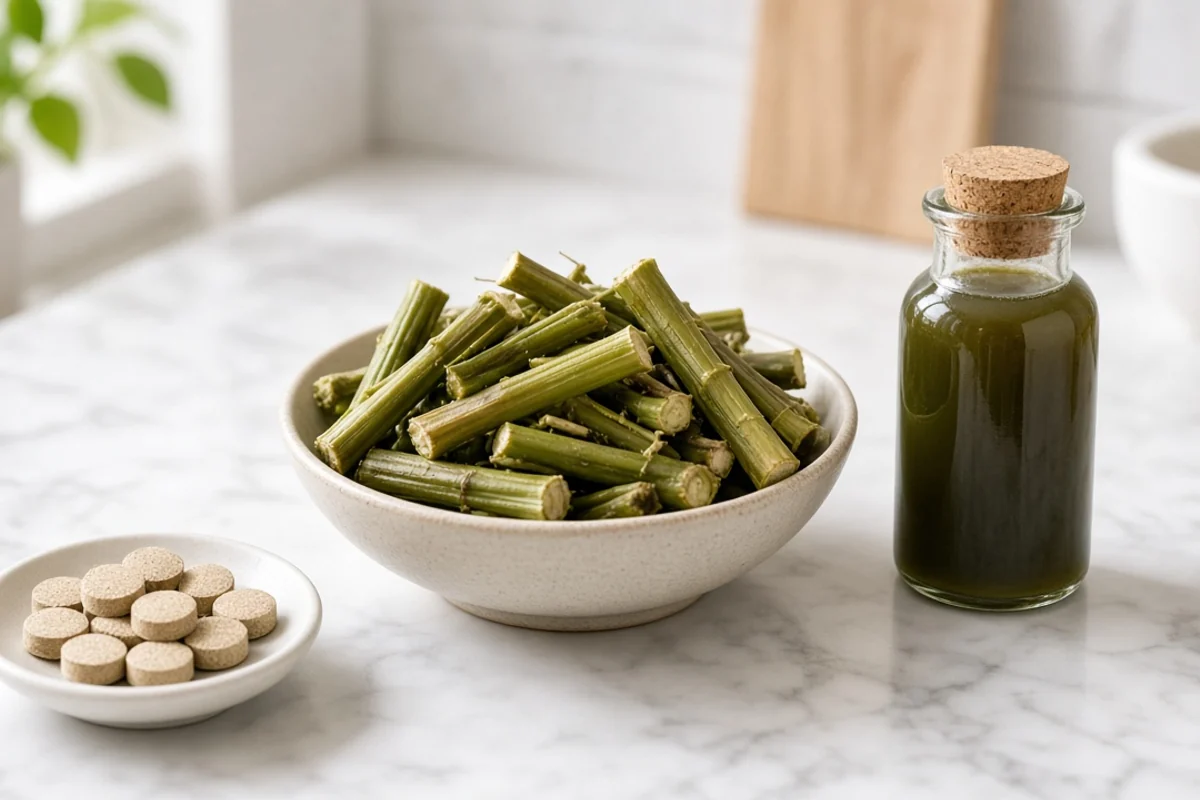 Giloy Safety: What to Know Before You Take ItGiloy became hugely popular, and doctors then reported liver injury in some users. Who should avoid it, safe limits and warning signs.
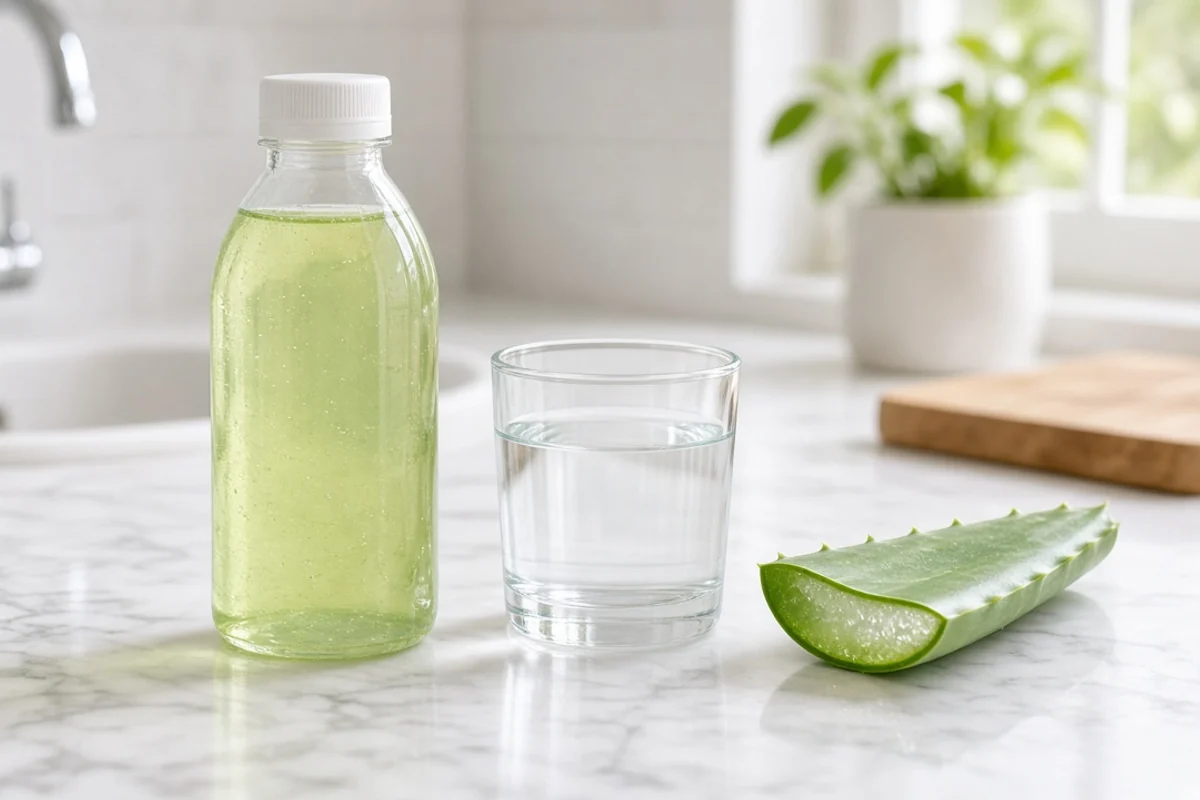 Aloe Vera Juice: What to Know Before Drinking ItAloe juice is sold as a daily tonic, but the latex in whole-leaf juice is a strong laxative. How to choose, how much, and who should avoid it.
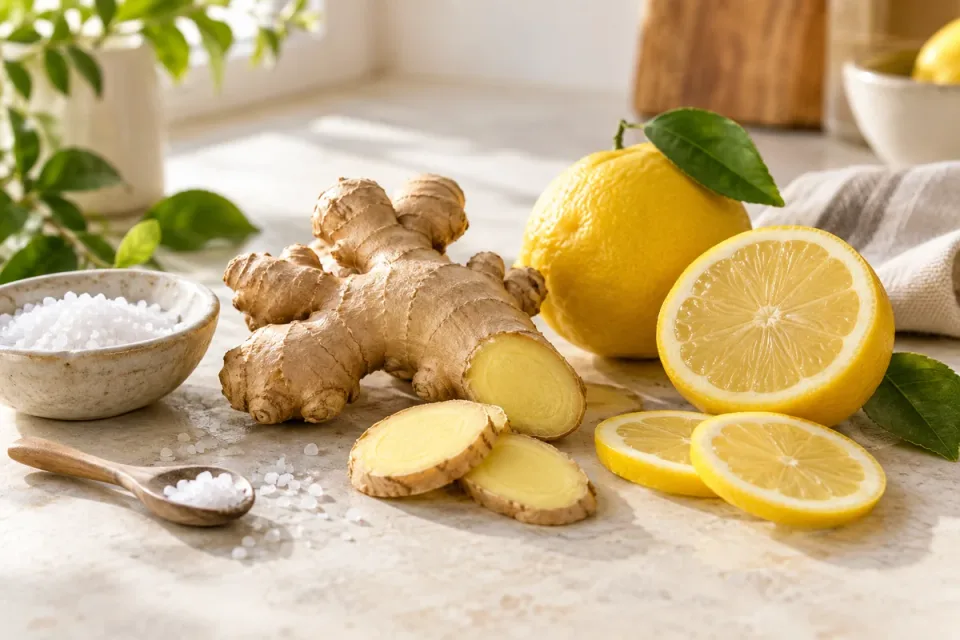 Ginger–lemon appetiser before mealsA tiny bite of fresh ginger with lemon and rock salt, taken before lunch, is a classic way to wake up a sluggish appetite and support agni (digestive fire).
Related products
Get a weekly dose of Ayurveda
One seasonal tip, one remedy and one simple habit — every week, in English or Hindi. No spam, unsubscribe any time.