Shilajit dosage: how much to take per day (resin, capsules, powder)
How much shilajit to take per day: resin (pea-sized, 300–500 mg), capsules and powder, how to measure at home and why to start low.
Published 7 October 2026 · 3 min read
Getting the dose right matters more than any other tip. More shilajit is not better.
Usual daily dose
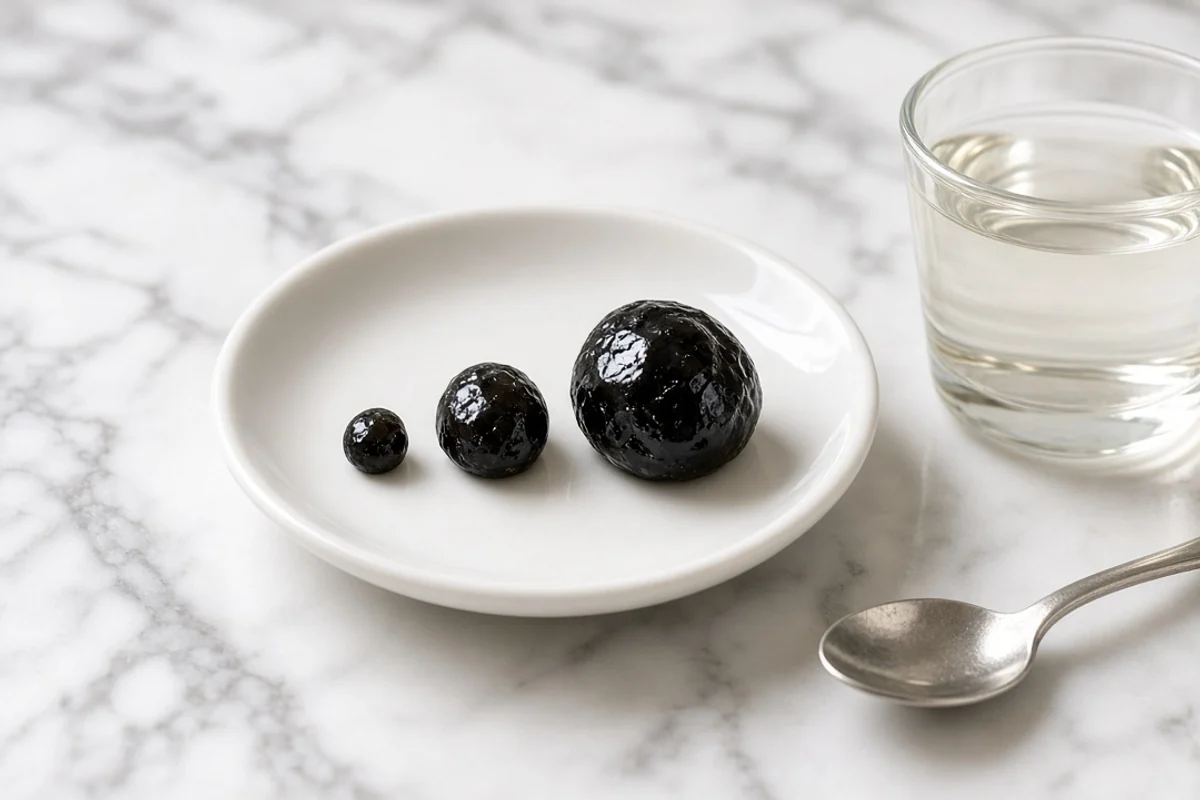
- Resin: 300–500 mg a day (many labels say 250–500 mg). That is a rice-grain to pea-sized piece.
- Capsules/tablets: follow the label; typically 1 capsule of 250–500 mg once or twice a day.
- Powder: usually 250–500 mg (about a small pinch) once a day, per label.
Studies have mostly used 250–500 mg a day of purified extract.
Measuring resin without a scale
- A rice grain is roughly 100–200 mg.
- A small pea is roughly 300–500 mg.
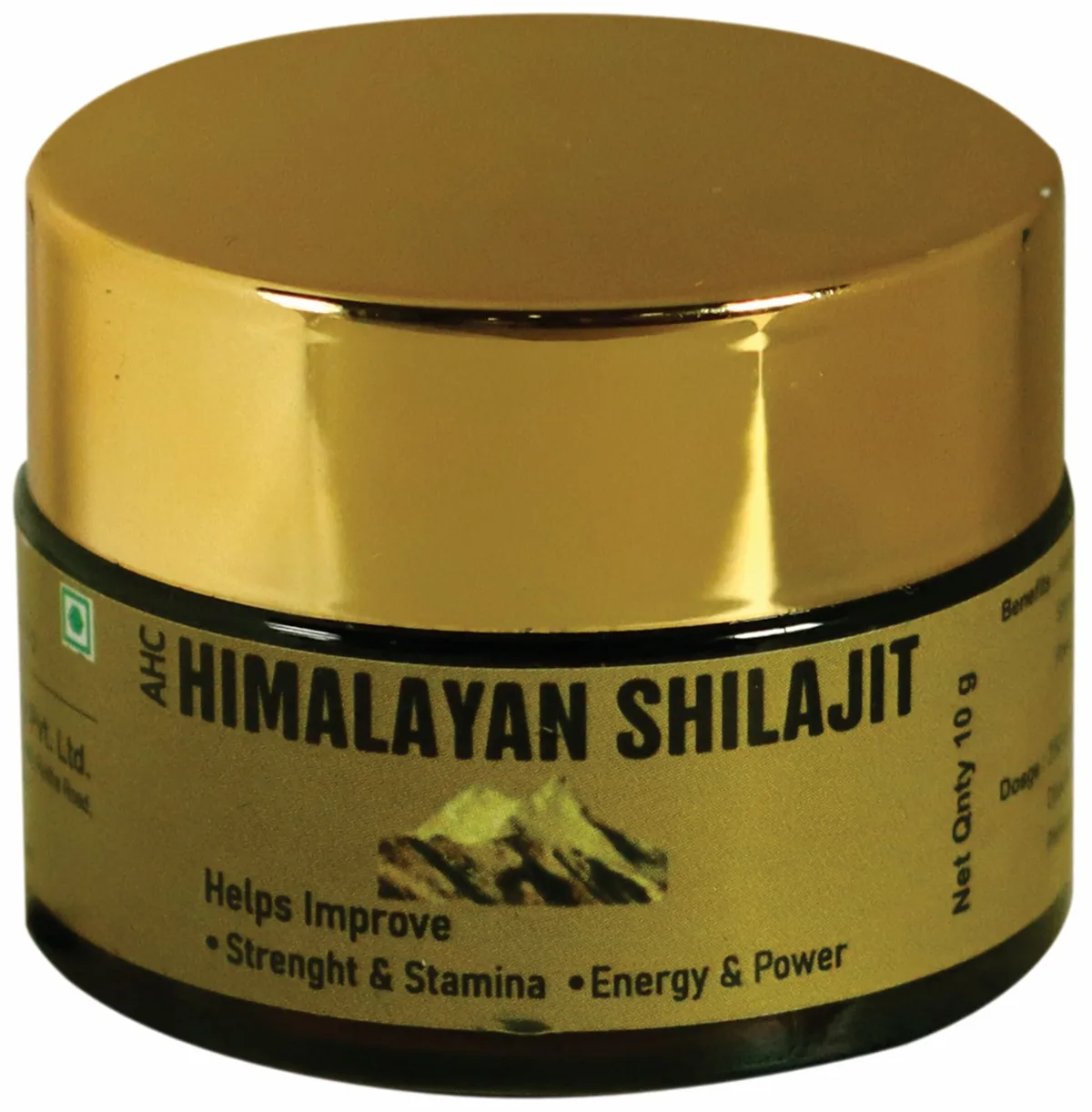
- A 10 g jar at 400 mg a day lasts about 25 days.
Use a clean toothpick or dry spoon; warm the spoon slightly if the resin is hard.
How to start
- Week 1: a rice-grain sized piece once a day.
- Week 2 onwards: increase to pea-sized if you feel fine.
- Take it once a day, usually in the morning.
The maximum
Do not go above 500 mg a day without a doctor's advice. Higher amounts can cause heat, acidity, a fast heartbeat or headaches.
Who needs a lower dose or none
Children, pregnant or breastfeeding women, and people with gout, heart disease, iron overload or on regular medicines — speak to a doctor first.
Related shilajit guides
- Best time to take shilajit
- How long should you take shilajit? Courses, breaks and when to stop
- Shilajit for beginners
- Shilajit side effects
- Shilajit benefits
- Complete shilajit guide
Doctor's note
This page shares traditional Ayurvedic use and a summary of published research; it is not medical advice. Consult a qualified doctor or Ayurvedic physician (BAMS) before taking shilajit, especially if you are pregnant or breastfeeding, under 18, have a heart condition, high or low blood pressure, gout or high uric acid, iron overload (haemochromatosis), kidney or liver disease, or take regular medicines. Do not stop prescribed medicine. Read who should not take shilajit and shilajit side effects.
Frequently asked questions
How much shilajit should I take daily?
- About 300–500 mg of resin a day — a rice-grain to pea-sized piece. Follow your product label.
Can I take shilajit twice a day?
- Some labels split the dose into two. Keep the total within 500 mg a day unless your doctor advises otherwise.
What happens if I take too much shilajit?
- You may feel hot, get acidity, headaches or a fast heartbeat. Reduce the dose or stop, and see a doctor if symptoms persist.
Shilajit guides
Benefits, how to take it, pure vs fake, forms, side effects and price — in plain language.
- Shilajit benefits: what Ayurveda traditionally uses it forWhat shilajit is, the benefits Ayurveda traditionally describes — strength, stamina, energy and vitality — and the honest limits of what a supplement can do.
- How to take shilajit resin: dose, timing and the right wayA step-by-step guide to taking shilajit resin — how much, when, with water or milk, how long to continue, and the common mistakes to avoid.
- How to identify original (pure) shilajit: home checks and label checksSimple home checks for pure shilajit resin, why they are only rough guides, and the label and seller checks that matter most.
- Shilajit resin vs capsule vs powder: which form should you choose?An honest comparison of shilajit resin, capsules, powder and gummies — processing, dosing, convenience and what to check on each label.
- Shilajit side effects: precautions and who should avoid itPossible side effects of shilajit, who should not take it or should check with a doctor first, and simple ways to use it more safely.
- Shilajit price in India: how to compare and what to look forHow to compare shilajit prices fairly — per gram and per day — why very cheap shilajit is a warning sign, and what our 10 g resin costs.
Related remedies
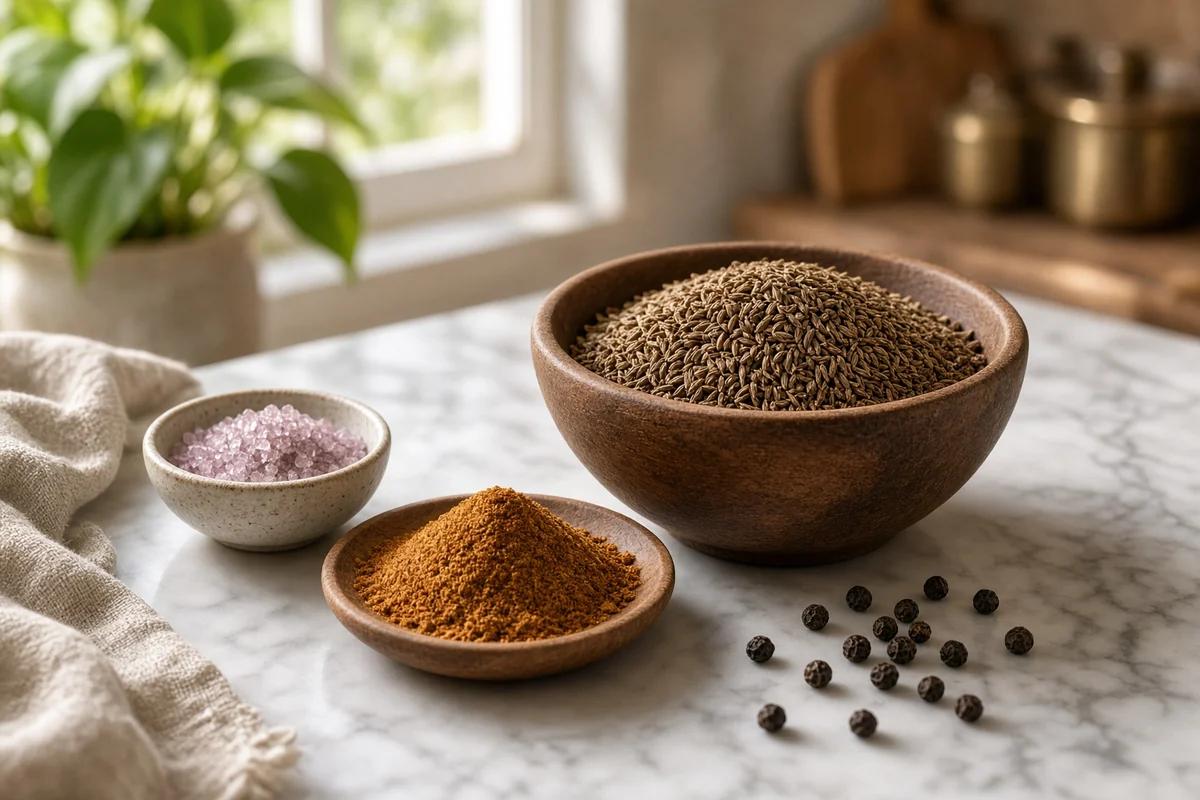 Jeera (cumin): roasted jeera powder and other everyday digestive usesCumin is the backbone of the Indian tadka. A jar of freshly roasted jeera powder — sprinkled on raita, buttermilk, chaat and fruit — is one of the simplest ways to add flavour and gentle digestive support to daily meals.
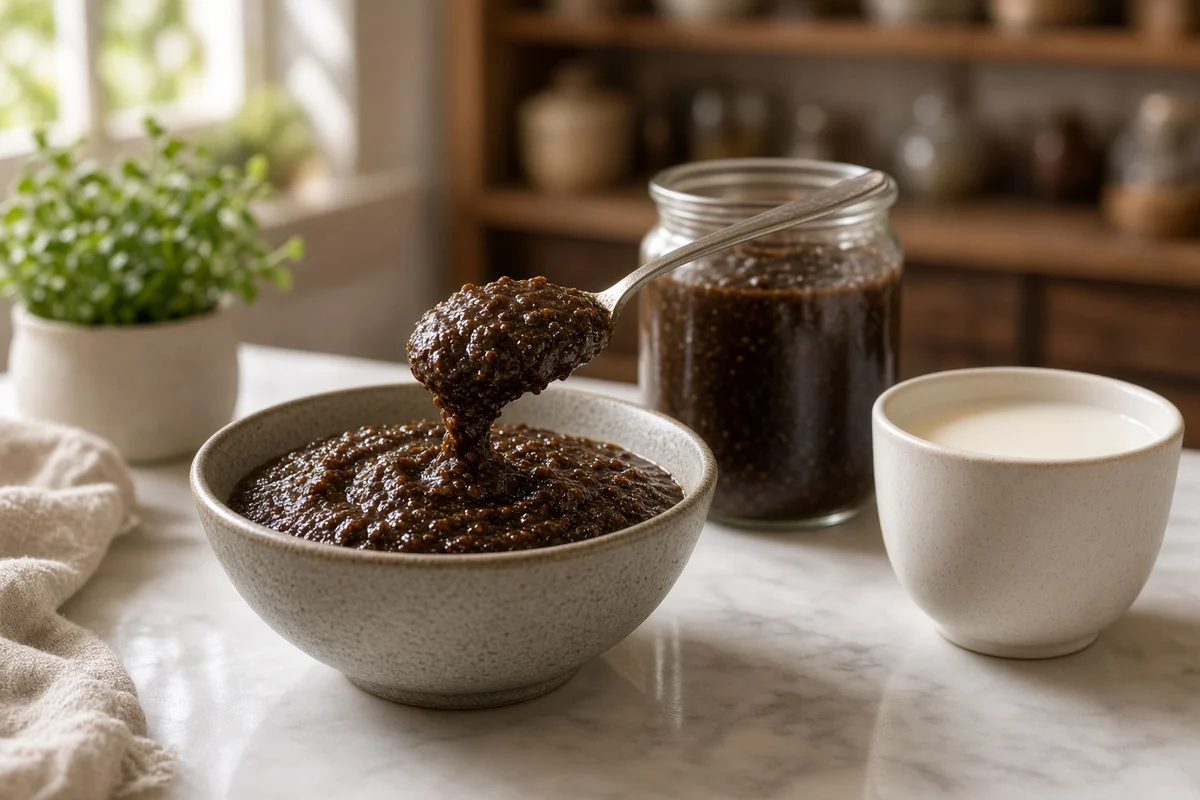 Benefits of chyawanprash: how this amla-based rasayana supports immunity and how to take itChyawanprash is a thick, sweet-sour herbal jam made from amla and dozens of herbs cooked with ghee, honey and sugar or jaggery. The main benefits of chyawanprash, as described in Ayurveda, are support for immunity, respiratory strength, energy and healthy ageing — which is why many Indian families take a spoon every winter morning.
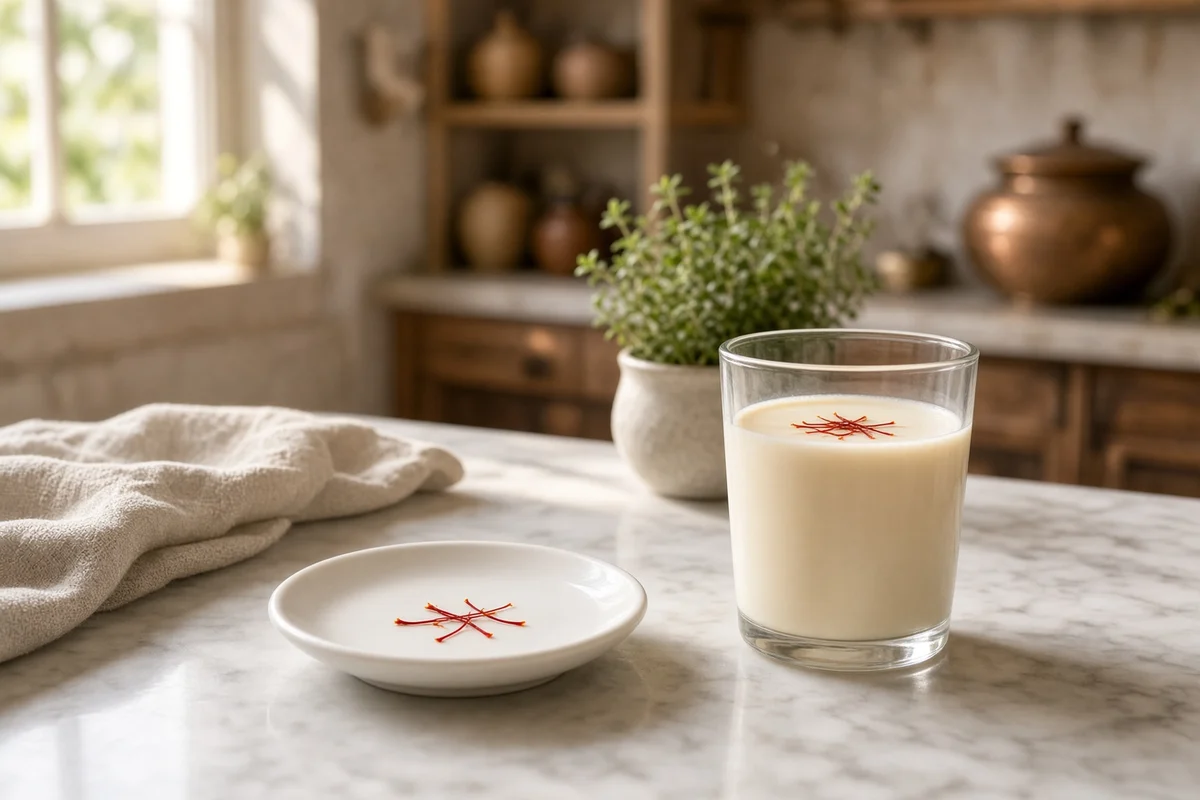 Benefits of saffron (kesar): mood, sleep, skin glow and how much to useJust a few golden-red strands of kesar turn milk, kheer and biryani into something special. The benefits of saffron go beyond colour and aroma: research suggests it may support mood and sleep, while Ayurveda values it for skin glow, warmth in winter and women's wellbeing — all in tiny amounts.
Related recipes
Related products
Get a weekly dose of Ayurveda
One seasonal tip, one remedy and one simple habit — every week, in English or Hindi. No spam, unsubscribe any time.