Shilajit for high altitude and trekking: tradition and precautions
How Himalayan communities traditionally use shilajit, what researchers have suggested about altitude, and the acclimatisation rules no supplement can replace.
Published 7 October 2026 · 3 min read
Shilajit comes from high mountains, and people living in the Himalayas have used it for generations — including when travelling at altitude.
Traditional use in the mountains
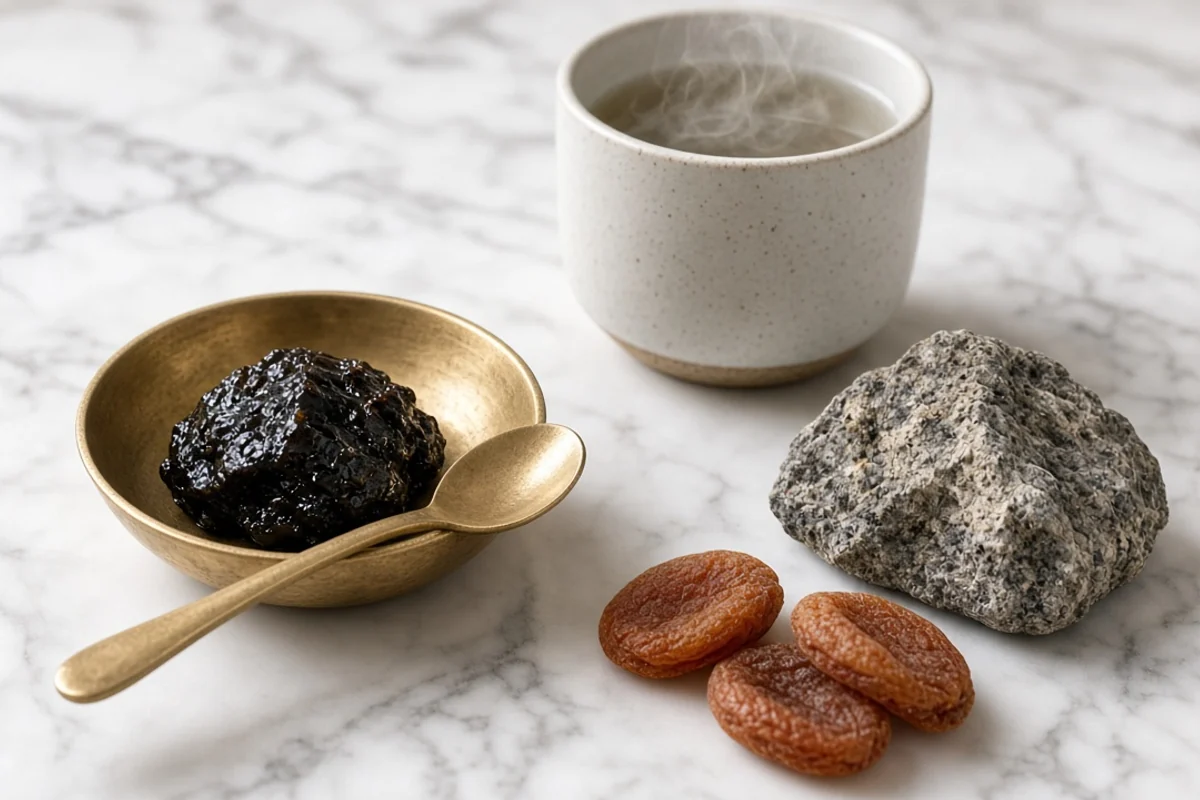
In parts of Ladakh, Himachal, Nepal and Gilgit, shilajit is taken in warm water or milk as a strength tonic in cold, thin air. Porters and shepherds have long carried it.
What has been suggested
Researchers have proposed that fulvic acid and minerals in shilajit might support energy production, oxygen use and immunity at altitude. This idea comes mainly from reviews and animal work; there is no strong human evidence that shilajit prevents altitude sickness.
Safe acclimatisation matters most
- Ascend slowly: above 3,000 m, raise your sleeping altitude by no more than 300–500 m a day.
- Take a rest day every 3–4 days.
- Drink enough water; avoid alcohol.
- Know the warning signs: severe headache, vomiting, breathlessness at rest, confusion — descend immediately and get help.
- Ask a doctor about medicines like acetazolamide before your trip.
If you want to carry shilajit
Take your usual small dose in warm water in the morning. Do not start it for the first time on the trek — try it at home first.
How to take shilajit (general guide)
- Take a rice-grain to pea-sized piece of resin (about 300–500 mg) once a day, or follow your label dose.
- Dissolve it in a cup of warm (not boiling) water or milk and stir for a minute or two.
- Most people take it in the morning, after a light breakfast.
- Start low in the first week and stop if it does not suit you.
- Always use a clean, dry spoon so moisture does not get into the jar.
Related shilajit guides
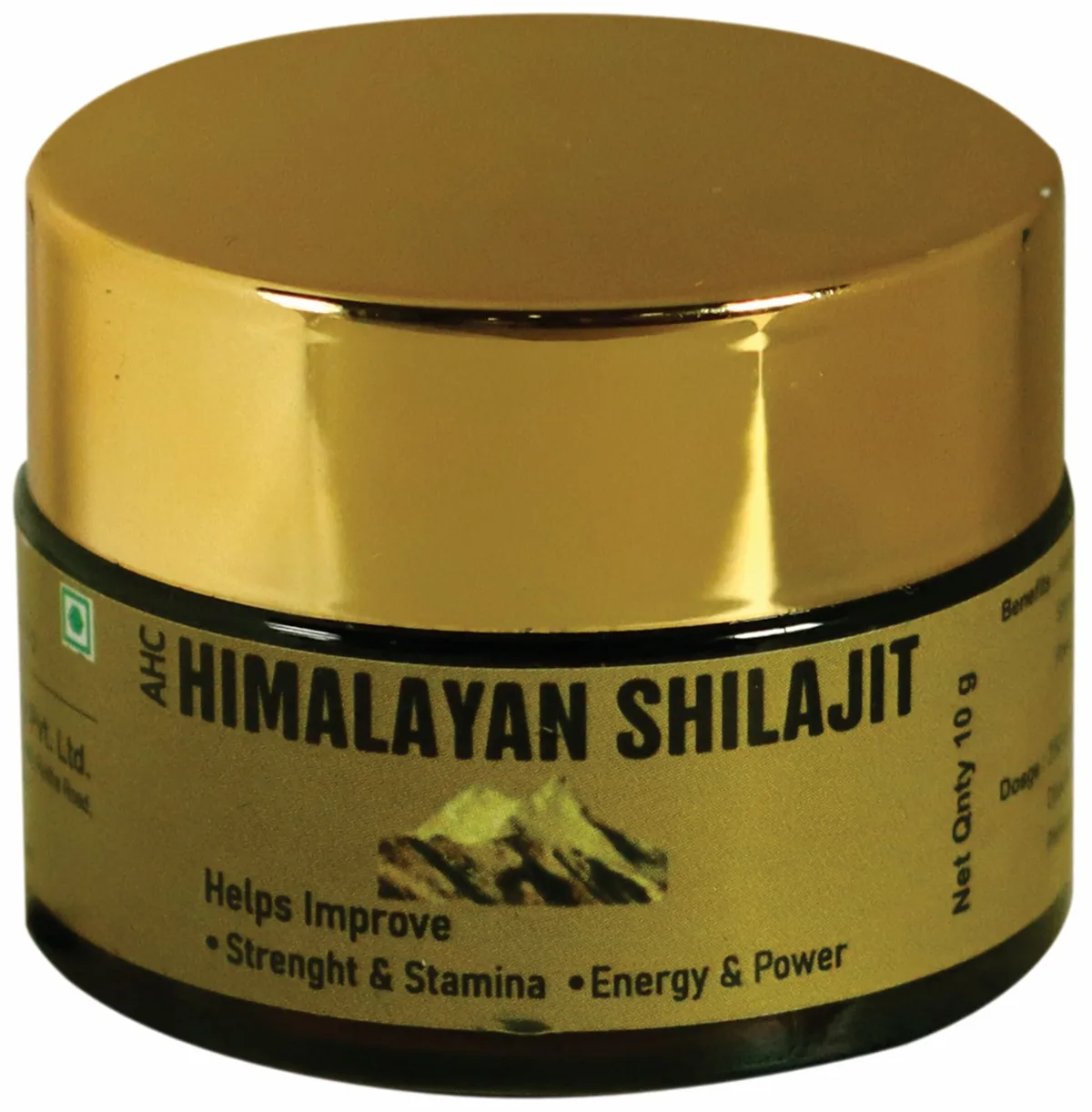
- Himalayan shilajit
- Shilajit for energy
- How to take shilajit with warm water
- Who should not take shilajit? A clear safety checklist
- Shilajit benefits
- Complete shilajit guide
Doctor's note
This page shares traditional Ayurvedic use and a summary of published research; it is not medical advice. Consult a qualified doctor or Ayurvedic physician (BAMS) before taking shilajit, especially if you are pregnant or breastfeeding, under 18, have a heart condition, high or low blood pressure, gout or high uric acid, iron overload (haemochromatosis), kidney or liver disease, or take regular medicines. Do not stop prescribed medicine. Read who should not take shilajit and shilajit side effects.
Frequently asked questions
Does shilajit prevent altitude sickness?
- There is no strong evidence that it does. It is traditionally used in the Himalayas as a tonic, but slow ascent and acclimatisation are what prevent altitude sickness.
Can I take shilajit on a trek?
- Healthy adults who already take it can continue their usual dose. Don't try it for the first time at altitude.
Is shilajit traditionally used in Ladakh and Nepal?
- Yes, mountain communities have long used shilajit in warm water or milk as a strength tonic.
Shilajit guides
Benefits, how to take it, pure vs fake, forms, side effects and price — in plain language.
- Shilajit benefits: what Ayurveda traditionally uses it forWhat shilajit is, the benefits Ayurveda traditionally describes — strength, stamina, energy and vitality — and the honest limits of what a supplement can do.
- How to take shilajit resin: dose, timing and the right wayA step-by-step guide to taking shilajit resin — how much, when, with water or milk, how long to continue, and the common mistakes to avoid.
- How to identify original (pure) shilajit: home checks and label checksSimple home checks for pure shilajit resin, why they are only rough guides, and the label and seller checks that matter most.
- Shilajit resin vs capsule vs powder: which form should you choose?An honest comparison of shilajit resin, capsules, powder and gummies — processing, dosing, convenience and what to check on each label.
- Shilajit side effects: precautions and who should avoid itPossible side effects of shilajit, who should not take it or should check with a doctor first, and simple ways to use it more safely.
- Shilajit price in India: how to compare and what to look forHow to compare shilajit prices fairly — per gram and per day — why very cheap shilajit is a warning sign, and what our 10 g resin costs.
Related remedies
 High uric acid and gout: food and lifestyle habits that helpHigh uric acid can crystallise in joints and cause sudden, very painful gout attacks, often in the big toe. Along with medical treatment, plenty of water, less alcohol and sugary drinks, moderate portions of high-purine foods and healthy weight make a real difference.
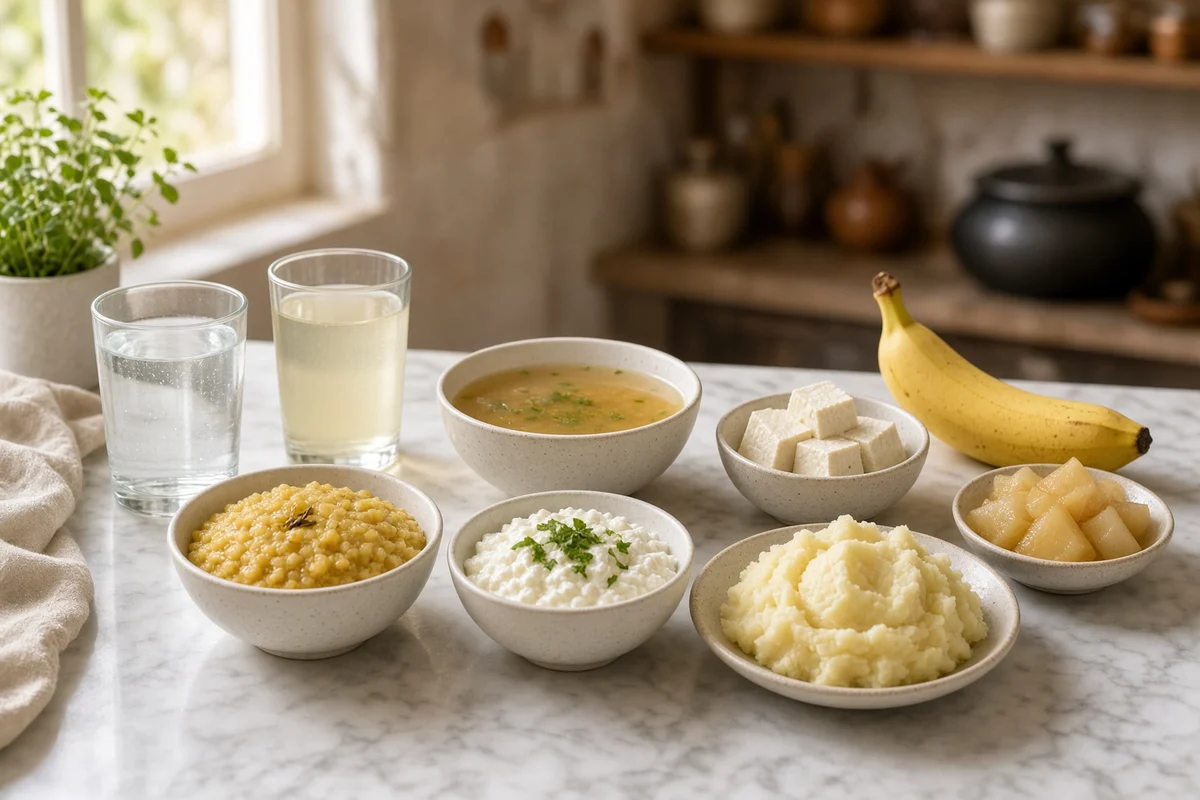 Diet for typhoid recovery: soft, high-calorie meals and safe fluidsTyphoid fever leaves the body weak and the intestines sensitive for weeks. This diet for typhoid recovery focuses on soft, easy-to-digest but energy-rich foods — khichdi, curd rice, mashed potatoes, boiled eggs, bananas — and plenty of safe fluids, to support the full antibiotic course your doctor prescribes.
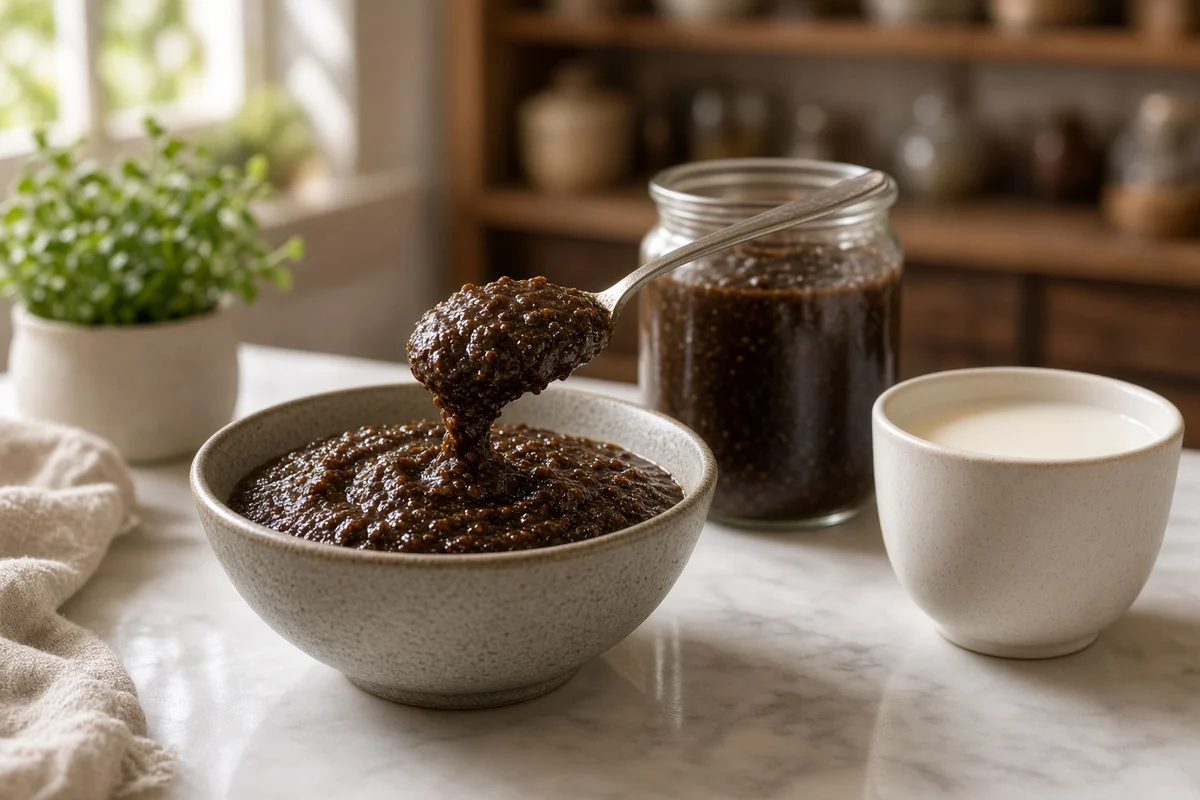 Benefits of chyawanprash: how this amla-based rasayana supports immunity and how to take itChyawanprash is a thick, sweet-sour herbal jam made from amla and dozens of herbs cooked with ghee, honey and sugar or jaggery. The main benefits of chyawanprash, as described in Ayurveda, are support for immunity, respiratory strength, energy and healthy ageing — which is why many Indian families take a spoon every winter morning.
Related recipes
- Moong dal chillaA soft yellow pancake of soaked split moong, ginger and coriander, cooked on a tawa with a few drops of oil.
- Spinach besan chillaGram-flour pancakes stained green with blanched spinach, ginger and ajwain.
- Sprouted moong chaatSteamed moong sprouts tossed with cucumber, tomato, lemon, cumin and coriander. No frying.
Related products
Get a weekly dose of Ayurveda
One seasonal tip, one remedy and one simple habit — every week, in English or Hindi. No spam, unsubscribe any time.